THE ADVENTURE COLLECTIVE® · Independent discovery and booking for outdoor travel

Sail from Luxor to Aswan over four nights, visiting Karnak, the Valley of the Kings, Edfu, Kom Ombo and Philae. This river-based itinerary combines guided temple visits with relaxed deck time and local culture.
Sail from Luxor to Aswan over four nights, visiting Karnak, the Valley of the Kings, Edfu, Kom Ombo and Philae. This river-based itinerary combines guided temple visits with relaxed deck time and local culture.
The gangway drops and the cruise blends into the slow, tidal rhythm of the Nile—date palms sliding past the sun deck as stone temples poke above the riverbank.
Verified experiences and guided adventures in the surrounding area.
Operated by Flyby Retreats · Luxor, Luxor Governorate
The gangway drops and the cruise blends into the slow, tidal rhythm of the Nile—date palms sliding past the sun deck as stone temples poke above the riverbank.
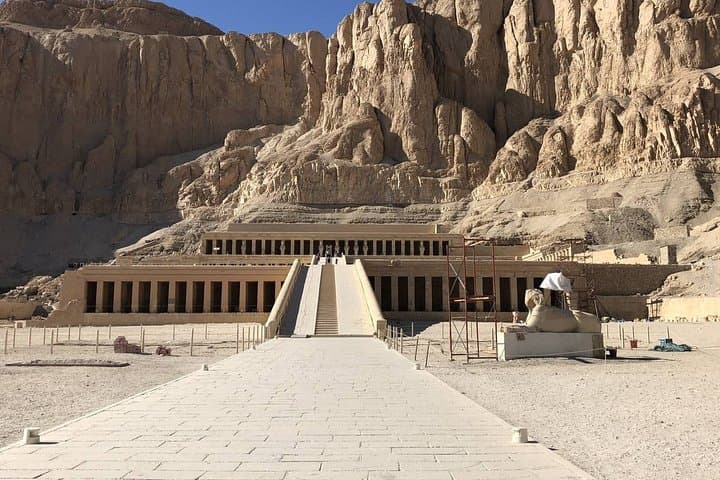
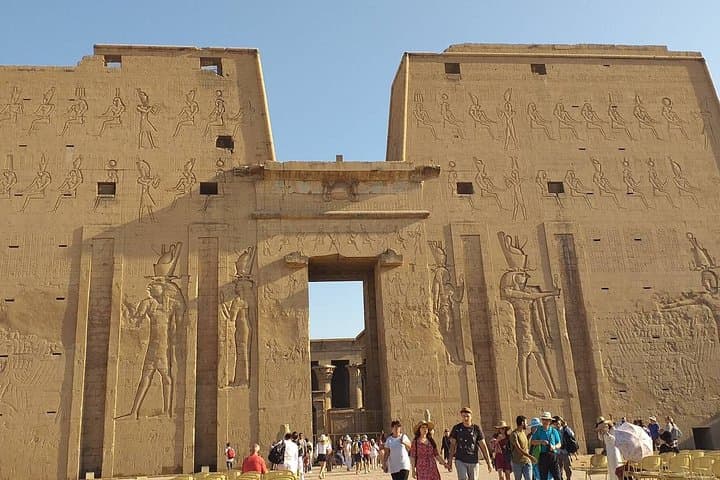
Begin in Luxor where the city’s ancient heartbeat is visible in Karnak’s vast pylons and Luxor Temple’s night-lit colonnades. Over four nights the boat becomes basecamp: morning landings to cross by motorboat to the west bank, horse-and-carriage rides to Edfu, a sunset visit to Kom Ombo, and a final day in Aswan at Philae and the Unfinished Obelisk.
Geology and history meet on the water: the Nile’s alluvial plain around Luxor gives way to granite islands and quarries near Aswan, the raw stone that anchored pharaonic construction. Culture along the route is agricultural and river-focused—farmers, ferrymen, and Nubian communities who maintain distinct language and craft traditions.
Practical guidance: sights are best early—temples cool and crowds smaller at dawn. Expect short walks on uneven sand and stone; many sites have steps and limited shade. Most cruises include full board and an English-speaking guide; entrance fees may be separate. Bring layered, sun-safe clothing, a compact daypack, and cash in Egyptian pounds for market purchases and tips. Hydration is critical—carry reusable bottles and refill where allowed.
The trip is as much about the changing light on the river as the monuments: mornings reveal carved reliefs, afternoons are for reclining on deck, and evenings open markets and local flavors that connect a slow-water voyage to five millennia of human history.
easy.
4 nights / 5 days.
Suitable for most travelers; requires short periods of walking on uneven ground and some stairs at temple sites
Many cruises include guided visits but entrance fees to sites like Valley of the Kings and Philae are often separate—confirm with the operator before booking.
The listing notes wheelchair-accessible options, but access at some ancient sites is limited by steps and uneven terrain; contact the operator for specifics and assistance.
October through April offers cooler temperatures and more comfortable touring; summers are hot, especially inland from the river.
Most travelers need a visa for Egypt (obtainable on arrival or in advance depending on nationality); check current health advisories and recommended vaccines before travel.
The Nile corridor powered pharaonic dynasties for millennia—temples and tombs along this route mark political and religious centers from the New Kingdom onward.
Visitor pressure and river development affect fragile archaeological sites and river ecosystems; choose operators that follow local guidelines and avoid littering or off-trail exploration.
Flyby Retreats operates guided outdoor trips and adventures with an emphasis on safety, stewardship, and memorable experiences.
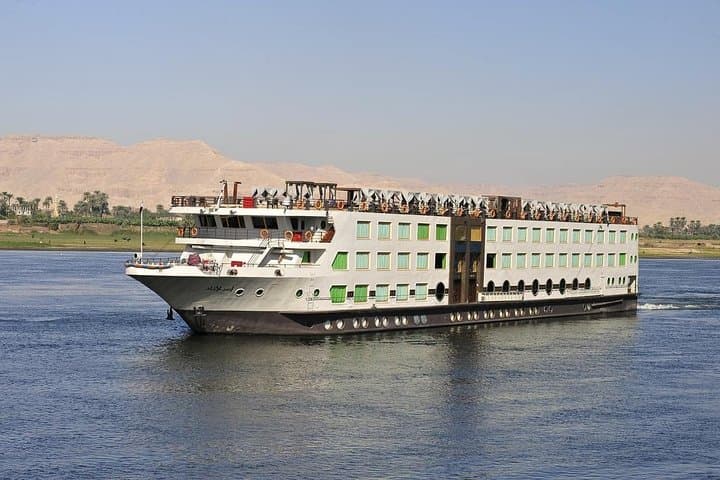
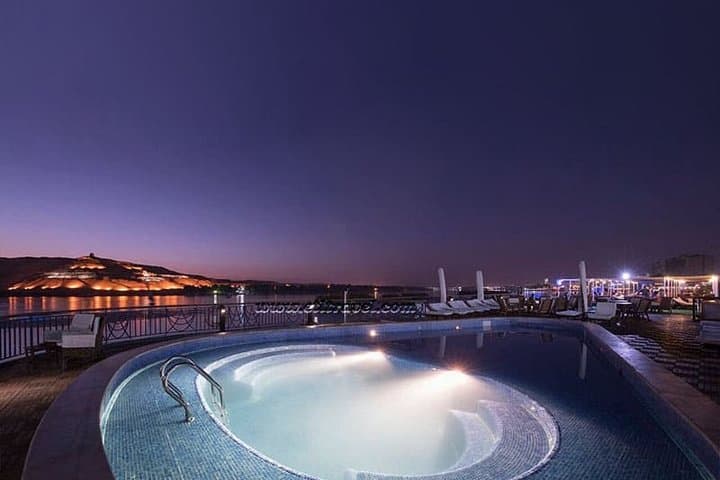
The gangway drops and the cruise blends into the slow, tidal rhythm of the Nile—date palms sliding past the sun deck as stone temples poke above the riverbank.
The gangway drops and the cruise blends into the slow, tidal rhythm of the Nile—date palms sliding past the sun deck as stone temples poke above the riverbank.
Begin in Luxor where the city’s ancient heartbeat is visible in Karnak’s vast pylons and Luxor Temple’s night-lit colonnades. Over four nights the boat becomes basecamp: morning landings to cross by motorboat to the west bank, horse-and-carriage rides to Edfu, a sunset visit to Kom Ombo, and a final day in Aswan at Philae and the Unfinished Obelisk.
Geology and history meet on the water: the Nile’s alluvial plain around Luxor gives way to granite islands and quarries near Aswan, the raw stone that anchored pharaonic construction. Culture along the route is agricultural and river-focused—farmers, ferrymen, and Nubian communities who maintain distinct language and craft traditions.
Practical guidance: sights are best early—temples cool and crowds smaller at dawn. Expect short walks on uneven sand and stone; many sites have steps and limited shade. Most cruises include full board and an English-speaking guide; entrance fees may be separate. Bring layered, sun-safe clothing, a compact daypack, and cash in Egyptian pounds for market purchases and tips. Hydration is critical—carry reusable bottles and refill where allowed.
The trip is as much about the changing light on the river as the monuments: mornings reveal carved reliefs, afternoons are for reclining on deck, and evenings open markets and local flavors that connect a slow-water voyage to five millennia of human history.