THE ADVENTURE COLLECTIVE® · Independent discovery and booking for outdoor travel

Glide four nights down the Nile from Luxor to Aswan, trading deckside leisure for guided temple visits, lock transits and Nubian shore experiences. This practical guide outlines what to expect—timing, terrain and tips for a smooth, culturally rich cruise.
Glide four nights down the Nile from Luxor to Aswan, trading deckside leisure for guided temple visits, lock transits and Nubian shore experiences. This practical guide outlines what to expect—timing, terrain and tips for a smooth, culturally rich cruise.
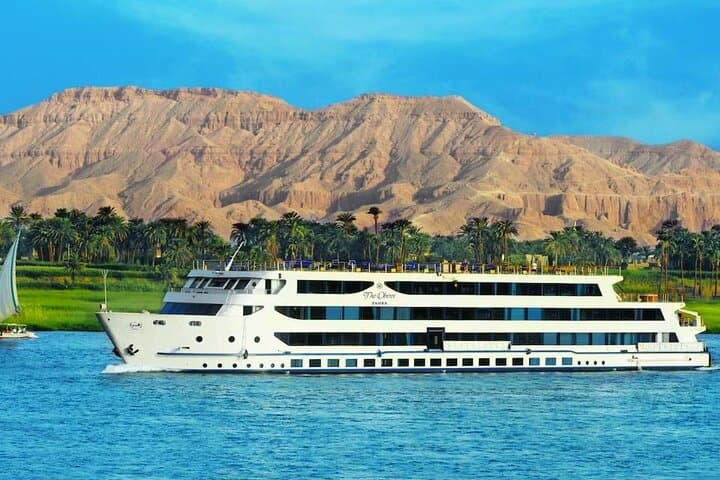
The river opens like a moving map: dawn light strips the West Bank cliffs, feluccas nudge the current, and the cruise’s gangway becomes your daily front row seat to a living landscape.
Verified experiences and guided adventures in the surrounding area.
Operated by Saray El-Nile · Luxor, Luxor Governorate
The river opens like a moving map: dawn light strips the West Bank cliffs, feluccas nudge the current, and the cruise’s gangway becomes your daily front row seat to a living landscape.
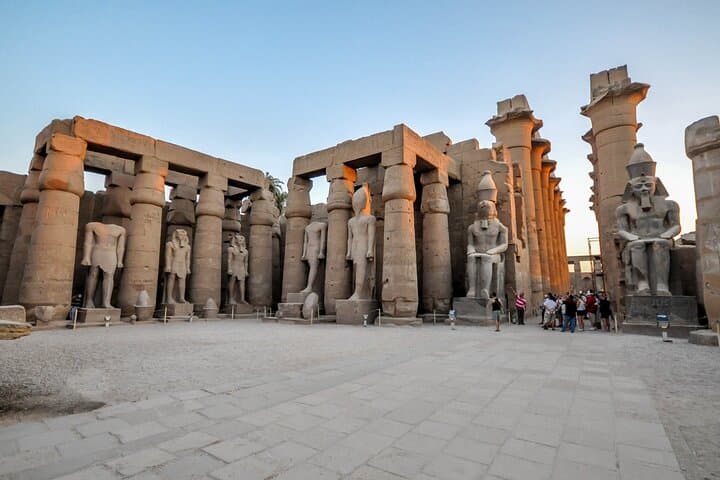
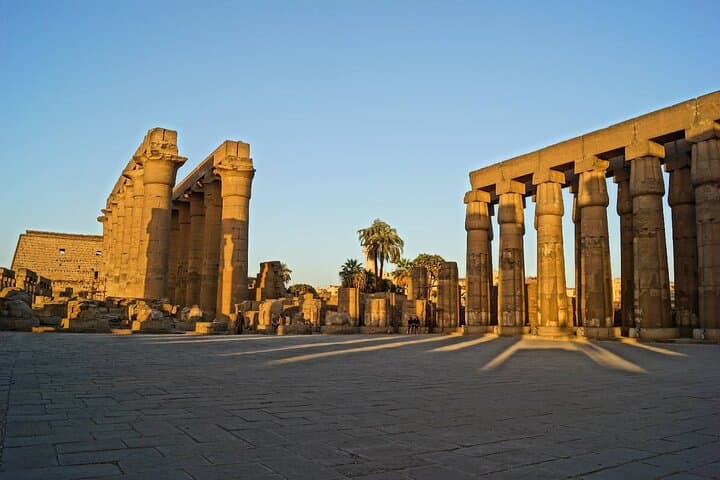
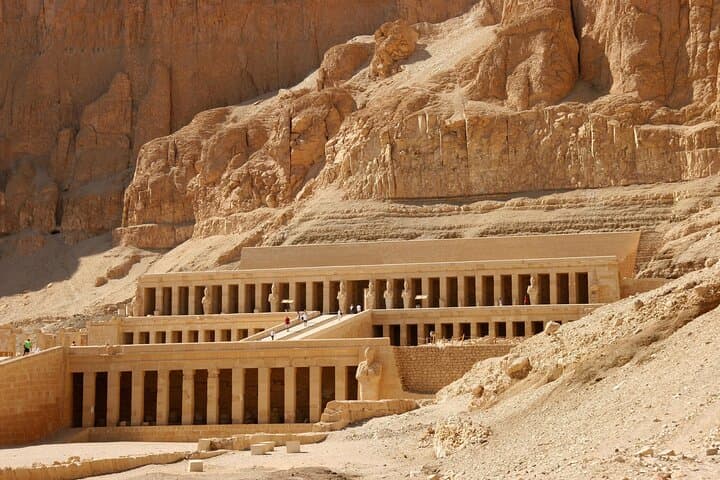
Over four nights aboard a five‑star vessel you glide between ancient capitals, stepping ashore to walk columned avenues and climb temple terraces where stone still keeps the stories of pharaohs. Luxor’s Karnak and Luxor Temple offer scale and sunset drama; the West Bank presents the Valley of the Kings, Hatshepsut’s mortuary temple and the stoic Colossi of Memnon. Midway, the Esna Lock punctuates the journey with a mechanized pause; Edfu and Kom Ombo introduce well‑preserved cult sites and crocodile cult relics. The trip finishes in Aswan, where the High Dam and the island temple of Philae show both ancient ingenuity and modern engineering.
Geology here is gentle—river terraces and sandstone escarpments—so most walking is brief but includes uneven temple steps and sand. Culture is immediate: riverbank agriculture, Nubian villages, and markets scent the breeze with spices and grilled fish. Practicalities matter: daytime heat can be intense, temples enforce modest dress and photography rules, and excursions require short transfers from ship to shore.
Plan for early starts to avoid midday sun, bring layered clothing for warm days and cool evenings on deck, and carry small cash for tips, markets and toothsome roadside snacks. Hydrate steadily; the Nile will push you forward, but the real pace is contemplative—slow, grounded, and richly storied.
easy.
4 nights (5 days).
Light fitness—able to walk short uneven paths and climb stairs during guided excursions.
Most visits involve short walks, stairs and flat temple courtyards—suitable for travelers with moderate mobility, but inform the operator if you need assistance.
Meals aboard and guided tours listed in the itinerary are included; some optional extras and personal purchases are not.
Many nationalities require a visa for Egypt—check current entry requirements and arrange a visa or e‑visa before travel.
Tipping is customary for guides, crew and drivers; carry small notes and follow local guidance from your Egyptologist guide.
This stretch of the Nile linked Upper and Lower Egypt and hosted capital cities; temples record millennia of religious and political life.
Cruise traffic and shoreline development affect river ecology—minimize waste, avoid single‑use plastics, and respect protected sites and local fishing practices.
Saray El-Nile operates guided outdoor trips and adventures with an emphasis on safety, stewardship, and memorable experiences.
The river opens like a moving map: dawn light strips the West Bank cliffs, feluccas nudge the current, and the cruise’s gangway becomes your daily front row seat to a living landscape.
The river opens like a moving map: dawn light strips the West Bank cliffs, feluccas nudge the current, and the cruise’s gangway becomes your daily front row seat to a living landscape.
Over four nights aboard a five‑star vessel you glide between ancient capitals, stepping ashore to walk columned avenues and climb temple terraces where stone still keeps the stories of pharaohs. Luxor’s Karnak and Luxor Temple offer scale and sunset drama; the West Bank presents the Valley of the Kings, Hatshepsut’s mortuary temple and the stoic Colossi of Memnon. Midway, the Esna Lock punctuates the journey with a mechanized pause; Edfu and Kom Ombo introduce well‑preserved cult sites and crocodile cult relics. The trip finishes in Aswan, where the High Dam and the island temple of Philae show both ancient ingenuity and modern engineering.
Geology here is gentle—river terraces and sandstone escarpments—so most walking is brief but includes uneven temple steps and sand. Culture is immediate: riverbank agriculture, Nubian villages, and markets scent the breeze with spices and grilled fish. Practicalities matter: daytime heat can be intense, temples enforce modest dress and photography rules, and excursions require short transfers from ship to shore.
Plan for early starts to avoid midday sun, bring layered clothing for warm days and cool evenings on deck, and carry small cash for tips, markets and toothsome roadside snacks. Hydrate steadily; the Nile will push you forward, but the real pace is contemplative—slow, grounded, and richly storied.