THE ADVENTURE COLLECTIVE® · Independent discovery and booking for outdoor travel

Sail four days down the Nile from Luxor to Aswan, combining sun-drenched temple visits with relaxed sundeck afternoons and nightly local entertainment. This cruise pairs major archaeological sites with the intimate rhythms of river life.
Sail four days down the Nile from Luxor to Aswan, combining sun-drenched temple visits with relaxed sundeck afternoons and nightly local entertainment. This cruise pairs major archaeological sites with the intimate rhythms of river life.
The ship slips away from Luxor as the city’s sandstone monuments shrink behind you and the Nile widens into a slow, reflective highway. On deck, wind pushes the scent of river reeds and diesel together; palms brush the horizon and small villages watch the boat pass like clocks. Over four days and three nights, travelers move at the river’s pace — mornings ashore at temples, afternoons with tea on the sundeck, and evenings of local music and dance under clear desert stars.
Verified experiences and guided adventures in the surrounding area.
Operated by Egypt Travel Line · Luxor, Luxor Governorate
The ship slips away from Luxor as the city’s sandstone monuments shrink behind you and the Nile widens into a slow, reflective highway. On deck, wind pushes the scent of river reeds and diesel together; palms brush the horizon and small villages watch the boat pass like clocks. Over four days and three nights, travelers move at the river’s pace — mornings ashore at temples, afternoons with tea on the sundeck, and evenings of local music and dance under clear desert stars.
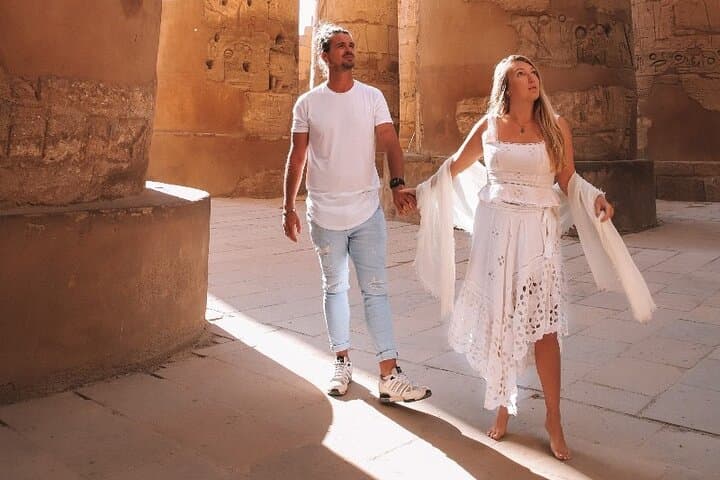
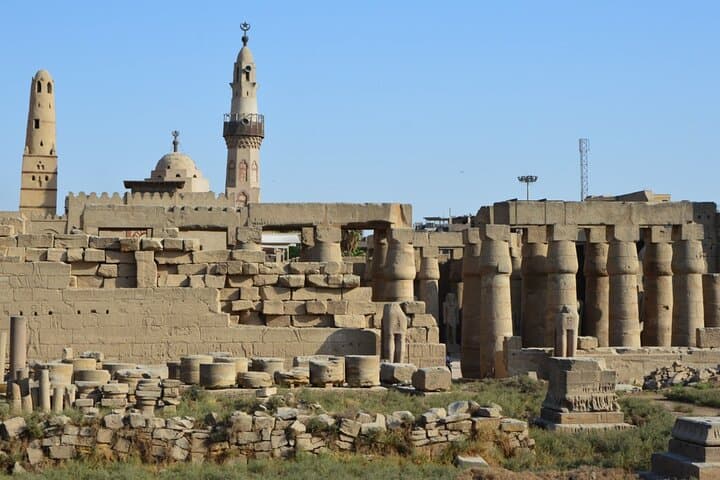
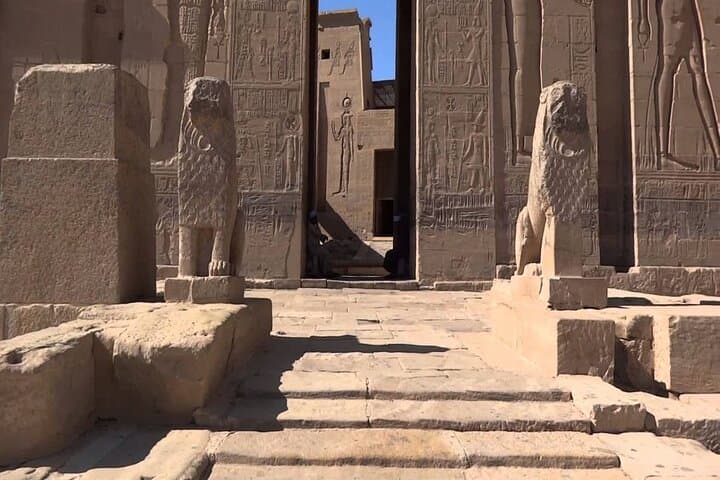
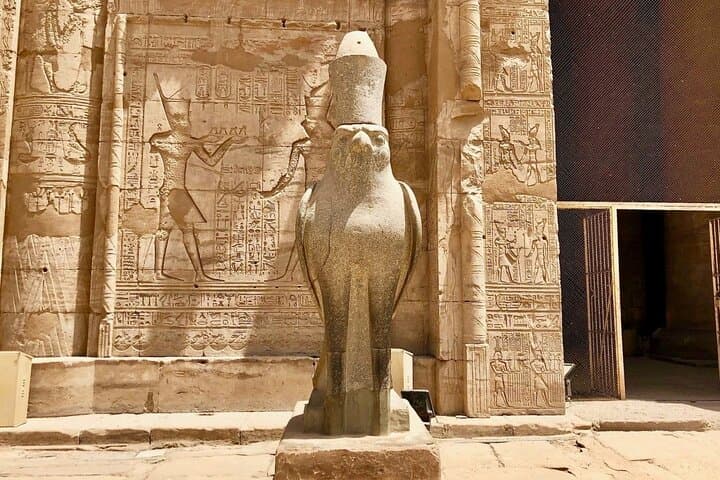
This route threads key chapters of Egyptian history: the sprawling column forests of Karnak, the royal chapels carved into the cliffs of the Valley of the Kings, the near-intact Ptolemaic shrine at Edfu, the dual sanctuary at Kom Ombo, and the island temple of Philae that survived the High Dam’s reshaping of the Nile. Geologically, the river corridor slices a green ribbon through arid plateaus, depositing silt that made millennia of agriculture possible and drew civilizations to its banks.
Culturally, expect layered identities — Pharaonic reliefs, Coptic and Islamic reuse of stone, and Nubian communities with distinct crafts and songs. Practicalities matter: pack sturdy shoes for uneven temple stones, sun protection for exposed shore visits, and small local cash for market stalls and tips. Cruises run year-round; summer is hot and bright, winter is mild and ideal for long days ashore. Guides typically handle admissions and transfers; passengers should check what’s included and confirm pickup details. The trip balances slow river travel with concentrated cultural exploration — a practical, sensory introduction to ancient Egypt from the water’s edge.
moderate.
4 days.
Light to moderate fitness; ability to walk 1–2 miles over uneven surfaces and climb stairs or basic ramps at archaeological sites.
This itinerary states that all sites mentioned are included; confirm at booking for any optional tombs or special-access chambers that may carry extra fees.
The cruise provides complimentary Wi‑Fi up to 4GB as noted, but expect variable speeds when the ship is between towns.
A/C transfers are included; the guide meets guests at their Luxor hotel, train station, or airport and handles embarkation logistics.
The provider lists wheelchair-accessible options, but many temples have uneven ground and stairs; contact the operator in advance to confirm specific accessibility arrangements.
The Nile corridor supported Pharaonic state formation; Luxor’s Karnak complex grew over 2,000 years, while the Valley of the Kings concentrated New Kingdom royal tombs in its limestone shoulders.
Tourism and the High Dam altered local hydrology and archaeology management; choose operators that minimize waste onboard and respect restricted areas at monuments.
Egypt Travel Line operates guided outdoor trips and adventures with an emphasis on safety, stewardship, and memorable experiences.
The ship slips away from Luxor as the city’s sandstone monuments shrink behind you and the Nile widens into a slow, reflective highway. On deck, wind pushes the scent of river reeds and diesel together; palms brush the horizon and small villages watch the boat pass like clocks. Over four days and three nights, travelers move at the river’s pace — mornings ashore at temples, afternoons with tea on the sundeck, and evenings of local music and dance under clear desert stars.
The ship slips away from Luxor as the city’s sandstone monuments shrink behind you and the Nile widens into a slow, reflective highway. On deck, wind pushes the scent of river reeds and diesel together; palms brush the horizon and small villages watch the boat pass like clocks. Over four days and three nights, travelers move at the river’s pace — mornings ashore at temples, afternoons with tea on the sundeck, and evenings of local music and dance under clear desert stars.
This route threads key chapters of Egyptian history: the sprawling column forests of Karnak, the royal chapels carved into the cliffs of the Valley of the Kings, the near-intact Ptolemaic shrine at Edfu, the dual sanctuary at Kom Ombo, and the island temple of Philae that survived the High Dam’s reshaping of the Nile. Geologically, the river corridor slices a green ribbon through arid plateaus, depositing silt that made millennia of agriculture possible and drew civilizations to its banks.
Culturally, expect layered identities — Pharaonic reliefs, Coptic and Islamic reuse of stone, and Nubian communities with distinct crafts and songs. Practicalities matter: pack sturdy shoes for uneven temple stones, sun protection for exposed shore visits, and small local cash for market stalls and tips. Cruises run year-round; summer is hot and bright, winter is mild and ideal for long days ashore. Guides typically handle admissions and transfers; passengers should check what’s included and confirm pickup details. The trip balances slow river travel with concentrated cultural exploration — a practical, sensory introduction to ancient Egypt from the water’s edge.