THE ADVENTURE COLLECTIVE® · Independent discovery and booking for outdoor travel

Cruise the Nile from Luxor to Aswan on a 3-night, full-board ship that pairs slow river travel with guided visits to Abu Simbel, Philae, Edfu and the Valley of the Kings. Train tickets from Cairo and an Egyptology guide make this an efficient cultural circuit.
Cruise the Nile from Luxor to Aswan on a 3-night, full-board ship that pairs slow river travel with guided visits to Abu Simbel, Philae, Edfu and the Valley of the Kings. Train tickets from Cairo and an Egyptology guide make this an efficient cultural circuit.
Dawn peels back over the Nile as the cruise eases from Luxor’s quay; the river, slow and persistent, dares you to watch history slide by.
Verified experiences and guided adventures in the surrounding area.
Operated by Nile Prince Travel · Luxor, Luxor Governorate
Dawn peels back over the Nile as the cruise eases from Luxor’s quay; the river, slow and persistent, dares you to watch history slide by.
On this 3-night cruise between Luxor and Aswan (with train travel to link Cairo), expect long, quiet solar glints on papyrus-lined banks, desert cliffs that step down to cultivated fields, and the sudden theatrical arrival of temple façades rising from sand and stone.
The route threads through Philae and the Aswan High Dam — the latter a modern engineering landmark (about 111 m high) that reshaped the Nile — then continues toward Abu Simbel, some 290 km southwest of Aswan, where Ramses II’s relocated temples stand on an artificial hill above Lake Nasser.
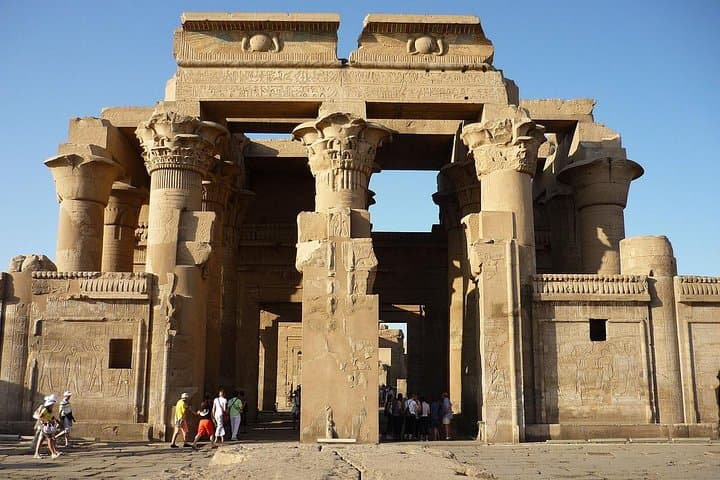
Archaeology dominates the story: Kom Ombo’s twin sanctuaries, Edfu’s dedicated Horus temple, Luxor and Karnak’s grand pylons, and the Valley of the Kings’ rock-cut tombs all reveal millennia of ritual, politics, and Nile-driven life.
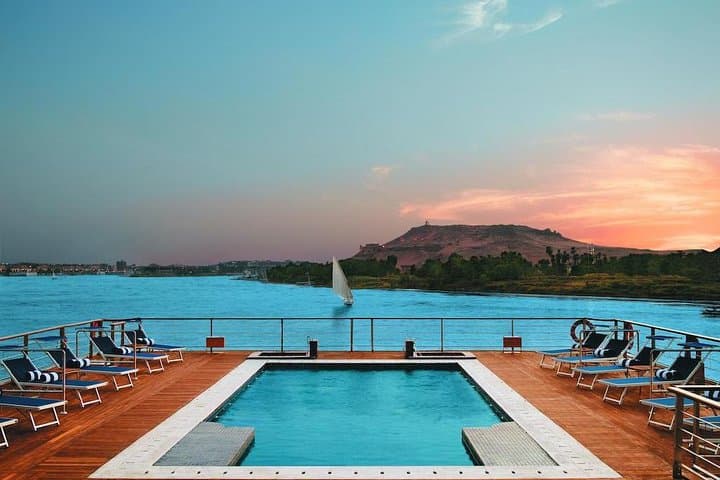
Practically, the cruise is full-board with guided shore excursions led by an Egyptology expert, pool and cabins aboard, and included train tickets between Cairo and Luxor/Aswan. Bring sun protection, modest clothing for temple visits, and a daypack for heat and cobbled approaches. Expect early starts for key sites (Abu Simbel often before sunrise), some walking on uneven ground, and routine tipping and entrance fees to be handled on site.
This trip blends calm river travel with concentrated cultural time ashore — a low-impact way to experience Upper Egypt if you plan for sun, stamina, and a steady curiosity.
moderate.
4–6 days.
Moderate — able to manage multiple short- to medium-length walks, stairs, and early starts; not strenuous but requires endurance for full days of touring.
The itinerary lists many sites visited, but entrance fees for some temples and optional sites may not be included — confirm specifics at booking and carry cash for tickets.
Train tickets between Cairo and Luxor/Aswan are provided (first-class a/c seated); a sleeping berth is sometimes available for an extra fee — check options when booking.
Yes — Abu Simbel is roughly 290 km from Aswan; visits are typically organized as early departures or separate transfers and can take most of a day.
The cruise offers comfortable onboard access, but many archaeological sites have uneven paths and steps; wheelchair access is limited at some ruins — check specific accessibility needs with the operator.
Upper Egypt was the political and religious heartland of ancient pharaonic civilization; kings built temples along the Nile to project power and tie themselves to river-based fertility.
Increasing tourism and water-level changes since the Aswan High Dam have transformed local ecosystems; visitors can reduce impact by using refillable water bottles and following site guidelines to protect fragile reliefs.
Nile Prince Travel operates guided outdoor trips and adventures with an emphasis on safety, stewardship, and memorable experiences.
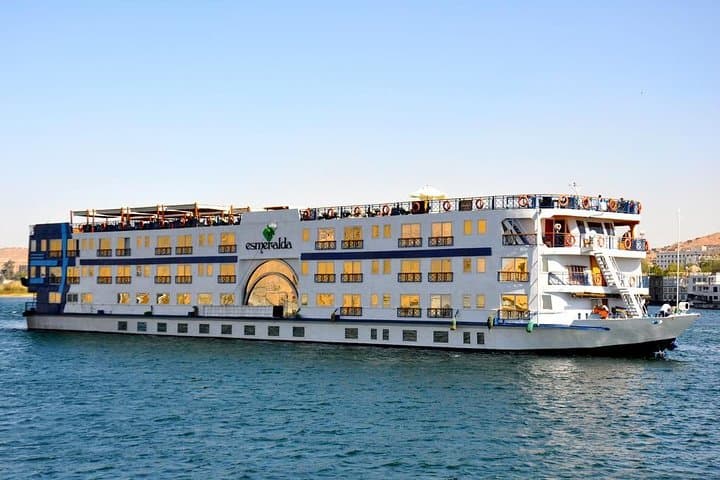
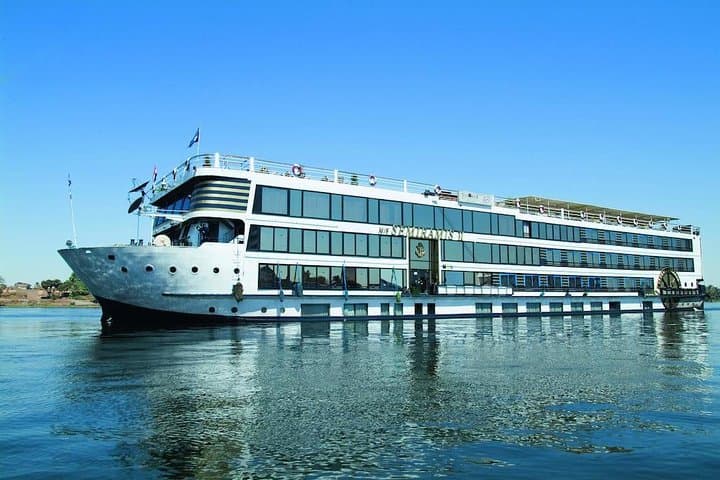
Dawn peels back over the Nile as the cruise eases from Luxor’s quay; the river, slow and persistent, dares you to watch history slide by.
Dawn peels back over the Nile as the cruise eases from Luxor’s quay; the river, slow and persistent, dares you to watch history slide by.
On this 3-night cruise between Luxor and Aswan (with train travel to link Cairo), expect long, quiet solar glints on papyrus-lined banks, desert cliffs that step down to cultivated fields, and the sudden theatrical arrival of temple façades rising from sand and stone.
The route threads through Philae and the Aswan High Dam — the latter a modern engineering landmark (about 111 m high) that reshaped the Nile — then continues toward Abu Simbel, some 290 km southwest of Aswan, where Ramses II’s relocated temples stand on an artificial hill above Lake Nasser.
Archaeology dominates the story: Kom Ombo’s twin sanctuaries, Edfu’s dedicated Horus temple, Luxor and Karnak’s grand pylons, and the Valley of the Kings’ rock-cut tombs all reveal millennia of ritual, politics, and Nile-driven life.
Practically, the cruise is full-board with guided shore excursions led by an Egyptology expert, pool and cabins aboard, and included train tickets between Cairo and Luxor/Aswan. Bring sun protection, modest clothing for temple visits, and a daypack for heat and cobbled approaches. Expect early starts for key sites (Abu Simbel often before sunrise), some walking on uneven ground, and routine tipping and entrance fees to be handled on site.
This trip blends calm river travel with concentrated cultural time ashore — a low-impact way to experience Upper Egypt if you plan for sun, stamina, and a steady curiosity.