THE ADVENTURE COLLECTIVE® · Independent discovery and booking for outdoor travel

Float the Nile between Luxor and Aswan on a five-day cruise that pairs sunrise hot-air balloons and Egyptologist-led temple tours with an unforgettable visit to Abu Simbel. Practical tips for timing, packing, and mobility included.
Float the Nile between Luxor and Aswan on a five-day cruise that pairs sunrise hot-air balloons and Egyptologist-led temple tours with an unforgettable visit to Abu Simbel. Practical tips for timing, packing, and mobility included.
You wake before dawn on the Nile deck as the river slips past, palms dark against a cooling sky and the smell of brewing coffee drifting from the dining room. The boat hums gently — your mobile base for five days — while the ancient riverbanks roll by like a living map of pharaonic Egypt.
Verified experiences and guided adventures in the surrounding area.
Operated by Nile Prince Travel · Luxor, Luxor Governorate
You wake before dawn on the Nile deck as the river slips past, palms dark against a cooling sky and the smell of brewing coffee drifting from the dining room. The boat hums gently — your mobile base for five days — while the ancient riverbanks roll by like a living map of pharaonic Egypt.
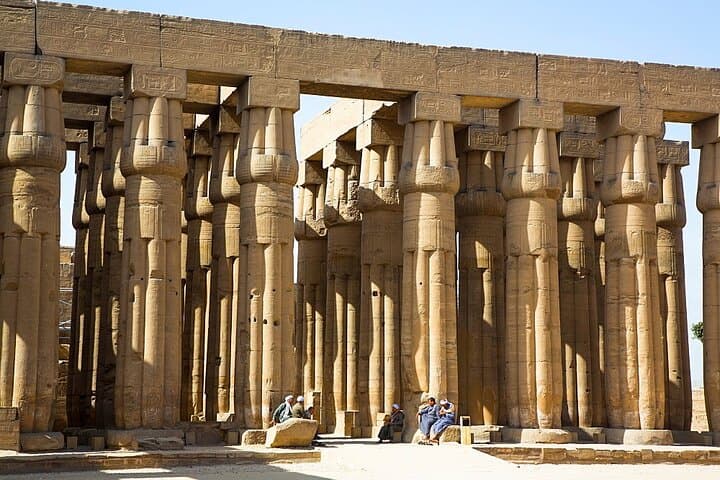
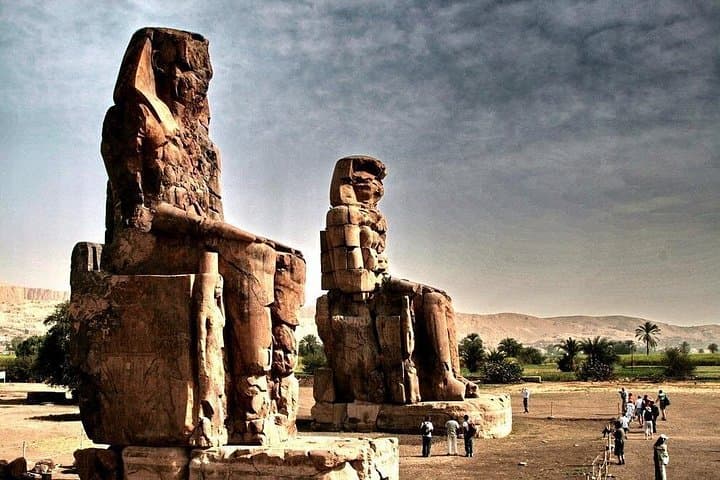
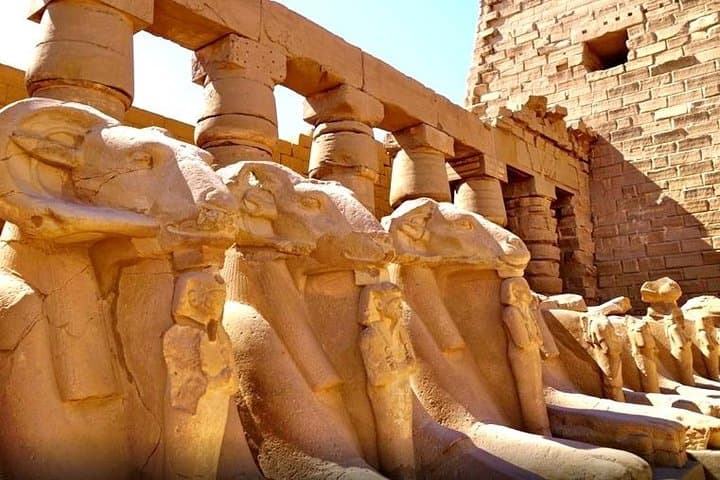
This itinerary stitches together millennia: Karnak’s stone forests and the Avenue of Sphinxes on Luxor’s east bank, the funerary cliffs of the Valley of the Kings, the terrace-steps of Hatshepsut’s mortuary temple, then south to Kom Ombo and Edfu’s well-preserved Ptolemaic sanctuaries. Abu Simbel, rebuilt and raised in the 1960s to save it from Lake Nasser, crowns the route with colossal faces carved into living rock. Geology here is plain — Nile alluvium and sandstone cliffs that once guided temple placement and aligned rituals with sun and river.
Culturally, expect guided narratives from trained Egyptologists, local boat crews, and the cadence of daily prayers from river towns. Practicalities matter: early-morning balloon launches over Luxor are subject to wind and weather; Abu Simbel requires an early coach or flight into Aswan and returns the same day.
Pack sun protection, comfortable walking shoes for uneven stone and sand, and a light layer for cooler mornings. Hydrate for desert heat, carry cash for entrance fees and tips, and bring copies of travel documents — checkpoints are routine. The cruise is low-impact walking most days but rewards alertness, respectful photography, and time set aside to listen to the guide — the ruins speak best when you slow down.
moderate.
5 days.
Suitable for travelers with basic mobility; involves repeated short to medium walks on uneven surfaces and early mornings
This trip includes flights between Cairo and Luxor and transfers listed in the itinerary, but confirm specific pickup locations when booking.
Balloon flights are weather-dependent; operators will reschedule or refund if conditions are unsafe, typically decided early morning.
The cruise is described as accessible with wheelchair-friendly transport, but many temple sites have uneven ground and steps — advise contacting the operator about specific needs.
Accommodation is four nights aboard a 5-star Nile cruise with full board (breakfast, lunch, dinner) as listed in the itinerary.
This corridor was the heartland of ancient Thebes; temples and tombs were aligned to the Nile and solar cycles and reflect continuous building from the New Kingdom through Ptolemaic Egypt.
Rising tourism places strain on fragile archeological sites and local water resources; follow guide instructions, avoid touching reliefs, and use refillable bottles to reduce waste.
Nile Prince Travel operates guided outdoor trips and adventures with an emphasis on safety, stewardship, and memorable experiences.

You wake before dawn on the Nile deck as the river slips past, palms dark against a cooling sky and the smell of brewing coffee drifting from the dining room. The boat hums gently — your mobile base for five days — while the ancient riverbanks roll by like a living map of pharaonic Egypt.
You wake before dawn on the Nile deck as the river slips past, palms dark against a cooling sky and the smell of brewing coffee drifting from the dining room. The boat hums gently — your mobile base for five days — while the ancient riverbanks roll by like a living map of pharaonic Egypt.
This itinerary stitches together millennia: Karnak’s stone forests and the Avenue of Sphinxes on Luxor’s east bank, the funerary cliffs of the Valley of the Kings, the terrace-steps of Hatshepsut’s mortuary temple, then south to Kom Ombo and Edfu’s well-preserved Ptolemaic sanctuaries. Abu Simbel, rebuilt and raised in the 1960s to save it from Lake Nasser, crowns the route with colossal faces carved into living rock. Geology here is plain — Nile alluvium and sandstone cliffs that once guided temple placement and aligned rituals with sun and river.
Culturally, expect guided narratives from trained Egyptologists, local boat crews, and the cadence of daily prayers from river towns. Practicalities matter: early-morning balloon launches over Luxor are subject to wind and weather; Abu Simbel requires an early coach or flight into Aswan and returns the same day.
Pack sun protection, comfortable walking shoes for uneven stone and sand, and a light layer for cooler mornings. Hydrate for desert heat, carry cash for entrance fees and tips, and bring copies of travel documents — checkpoints are routine. The cruise is low-impact walking most days but rewards alertness, respectful photography, and time set aside to listen to the guide — the ruins speak best when you slow down.