THE ADVENTURE COLLECTIVE® · Independent discovery and booking for outdoor travel

Board a Nile cruise that threads Aswan and Luxor with a dawn visit to Abu Simbel and sleeping-train legs to Cairo. This itinerary mixes calm river travel with sunrise temple visits and guided walks through some of Egypt’s most iconic sites.
Board a Nile cruise that threads Aswan and Luxor with a dawn visit to Abu Simbel and sleeping-train legs to Cairo. This itinerary mixes calm river travel with sunrise temple visits and guided walks through some of Egypt’s most iconic sites.
Dawn throws a pale gold across the Nile as the cruise slides away from Aswan, palm-lined banks and mud-brick Nubian villages passing like a slow film reel. On deck, the river smells of dust and date, and the boat’s engine hum becomes the steady tempo for a journey through 3,000 years of civilization.
Verified experiences and guided adventures in the surrounding area.
Operated by Special trips · Aswan, Aswan Governorate
Dawn throws a pale gold across the Nile as the cruise slides away from Aswan, palm-lined banks and mud-brick Nubian villages passing like a slow film reel. On deck, the river smells of dust and date, and the boat’s engine hum becomes the steady tempo for a journey through 3,000 years of civilization.
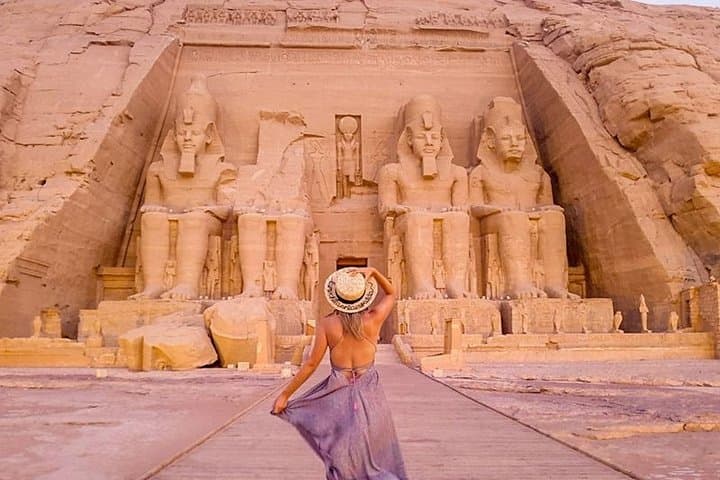
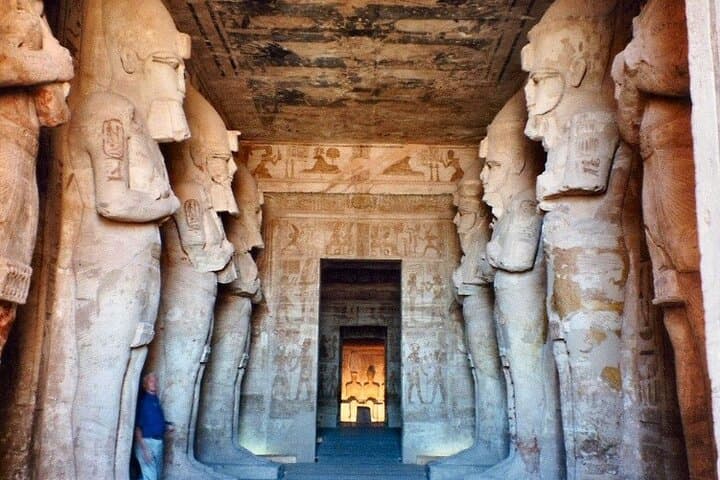
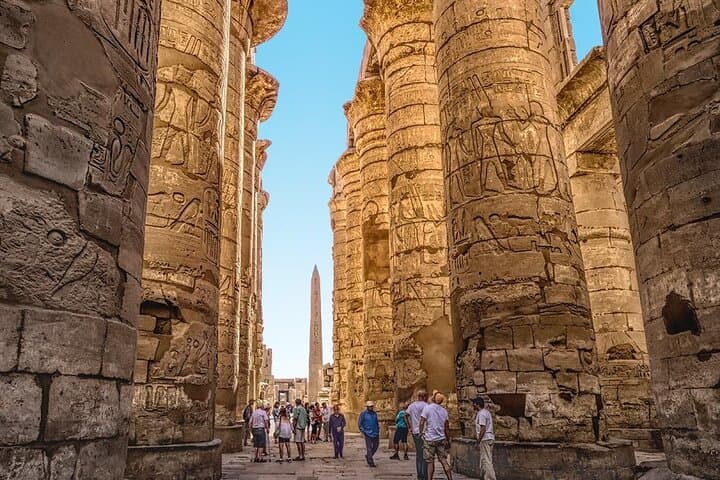
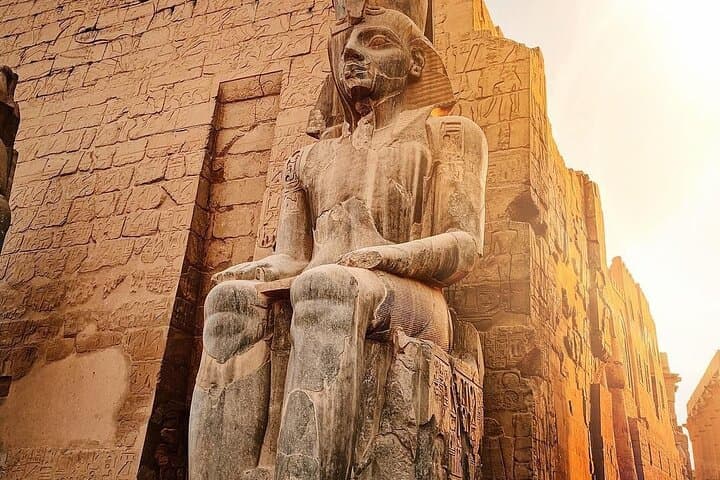
Across the itinerary you’ll walk where pharaohs planned processions: Abu Simbel’s colossal Ramses II guards the desert horizon; Philae sits reclaimed on Agilkia Island after the High Dam’s rise; Edfu and Kom Ombo reveal different ritual geometries; Karnak’s Hypostyle Hall stands under a canopy of 134 columns, each roughly 70 feet tall. Geology is plain here — sandstone cliffs hewn by the Nile and alluvial plains that made ancient agriculture possible. Culture shifts visibly between Nubian settlements near Aswan and the grand, sand-swept monuments around Luxor.
Practical details are straightforward: expect short guided walks at each site (hundreds of meters on mostly flat terrain, some stairs at tombs), early starts (Abu Simbel tours often leave around 5:00 a.m.), and overnight sleeping-train segments to and from Cairo. Hydrate aggressively, wear sun protection and breathable layers, and carry local cash for tips and market purchases. Respect site rules: no leaning on reliefs, follow your Egyptologist guide, and allow extra time for immigration or port formalities.
This trip balances slow river travel with intense site visits — an accessible way to move through Egypt’s long human story while keeping the practicalities of transport, heat, and timing firmly in view.
easy.
4–6 days.
Suitable for travelers in average fitness; involves multiple short walks, some stairs, and basic mobility to board tenders and climb temple steps.
Yes—Abu Simbel is included; the typical shore visit begins very early (around 5:00 a.m.) and lasts roughly 2–3 hours including transfers.
Most nationalities require an Egyptian entry visa—verify current regulations before travel and carry passport copies; your operator can advise on transfers and paperwork.
Expect hundreds of meters of walking at temples and the Valley of the Kings, with some stairs and uneven surfaces; minimal elevation change but limited accessibility in certain tombs.
This tour includes full board on the cruise, selected meals, sleeping train tickets, and door-to-door transfers from Cairo/Giza as listed in the itinerary.
Many sites reflect millennia of pharaonic rule; notable modern history includes the relocation of Abu Simbel and Philae during construction of the Aswan High Dam in the 1960s.
Sites are fragile—follow walking paths, avoid touching carved reliefs, use refillable water and support local guides and craftspersons to minimize tourism impact.
Special trips operates guided outdoor trips and adventures with an emphasis on safety, stewardship, and memorable experiences.
Dawn throws a pale gold across the Nile as the cruise slides away from Aswan, palm-lined banks and mud-brick Nubian villages passing like a slow film reel. On deck, the river smells of dust and date, and the boat’s engine hum becomes the steady tempo for a journey through 3,000 years of civilization.
Dawn throws a pale gold across the Nile as the cruise slides away from Aswan, palm-lined banks and mud-brick Nubian villages passing like a slow film reel. On deck, the river smells of dust and date, and the boat’s engine hum becomes the steady tempo for a journey through 3,000 years of civilization.
Across the itinerary you’ll walk where pharaohs planned processions: Abu Simbel’s colossal Ramses II guards the desert horizon; Philae sits reclaimed on Agilkia Island after the High Dam’s rise; Edfu and Kom Ombo reveal different ritual geometries; Karnak’s Hypostyle Hall stands under a canopy of 134 columns, each roughly 70 feet tall. Geology is plain here — sandstone cliffs hewn by the Nile and alluvial plains that made ancient agriculture possible. Culture shifts visibly between Nubian settlements near Aswan and the grand, sand-swept monuments around Luxor.
Practical details are straightforward: expect short guided walks at each site (hundreds of meters on mostly flat terrain, some stairs at tombs), early starts (Abu Simbel tours often leave around 5:00 a.m.), and overnight sleeping-train segments to and from Cairo. Hydrate aggressively, wear sun protection and breathable layers, and carry local cash for tips and market purchases. Respect site rules: no leaning on reliefs, follow your Egyptologist guide, and allow extra time for immigration or port formalities.
This trip balances slow river travel with intense site visits — an accessible way to move through Egypt’s long human story while keeping the practicalities of transport, heat, and timing firmly in view.