THE ADVENTURE COLLECTIVE® · Independent discovery and booking for outdoor travel

Float between ancient quarries and royal necropolises on a four-day Nile cruise from Aswan to Luxor. This guided trip blends archaeology with relaxed river travel — ideal for travelers who want efficient access to temples, tombs, and local sights.
Float between ancient quarries and royal necropolises on a four-day Nile cruise from Aswan to Luxor. This guided trip blends archaeology with relaxed river travel — ideal for travelers who want efficient access to temples, tombs, and local sights.
The Nile pushes a slow, deliberate current past low banks of sand and palm groves, daring travelers to watch history slide by from a shaded sundeck. On a four-day Aswan-to-Luxor cruise, passengers move through Egypt’s living museum: granite quarries and High Dam at Aswan, twin sanctuaries at Kom Ombo, the preserved façade of Edfu, and the funerary cliffs of the Valley of the Kings before disembarking in Luxor.
Verified experiences and guided adventures in the surrounding area.
Operated by Bastet Travel · Aswan, Aswan Governorate
The Nile pushes a slow, deliberate current past low banks of sand and palm groves, daring travelers to watch history slide by from a shaded sundeck. On a four-day Aswan-to-Luxor cruise, passengers move through Egypt’s living museum: granite quarries and High Dam at Aswan, twin sanctuaries at Kom Ombo, the preserved façade of Edfu, and the funerary cliffs of the Valley of the Kings before disembarking in Luxor.
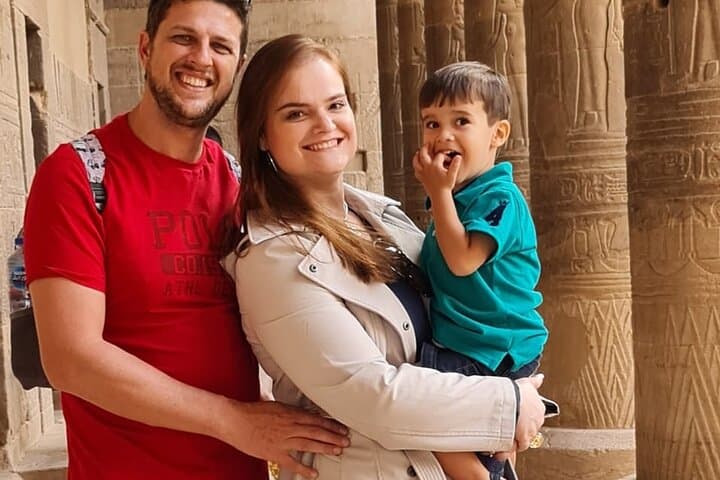
Geology and history are obvious companions here — the river carved a narrow agricultural ribbon through desert millennia, concentrating settlements and temple-building on its banks. Philae’s Greco-Roman columns and the unfinished obelisk’s split face tell practical stories about ancient quarrying and religious life; Luxor and Karnak expose layers of New Kingdom pharaohs and later restorations. Culturally, the journey is guided by Egyptologists who translate hieroglyphs into context, and evenings aboard a five-star cruise often include folkloric music and local cuisine.
Practical guidance: book morning visits to temples to avoid mid-day heat and carry sun protection and a reusable water bottle — hydration is constant work under this sun. Wear supportive walking shoes for uneven temple stone and modest clothing for religious sites. Expect short motorboat transfers, stairs to temple entrances, and guided walks of one to three hours at several stops. Transfers from Aswan pickup and drop-off in Luxor are arranged; confirm pickup point and mobility needs in advance. With curated shore excursions and full-board lodging, the cruise is an efficient, low-stress way to see major Nile sites while keeping active on foot when exploring temples.
easy.
4 days.
Suitable for travelers with light to moderate fitness; able to walk 1–3 hours on uneven ground and climb stairs.
Full-board accommodation on the Nile cruise, guided excursions with an Egyptologist, some entry fees, transfers from Aswan to the cruise and from the cruise to Luxor transport points are included; confirm specifics at booking.
Carry local currency for small purchases, tips, and incidental expenses; larger vendors and the ship may accept cards but cash is common at markets and small stalls.
The cruise provides standard transfers, but many temple sites have stairs and uneven terrain; notify the operator in advance to discuss accessibility and assistance options.
Most visitors to Egypt require a tourist visa; vaccination requirements vary — check current government guidance and consult your doctor well before travel.
The Nile corridor concentrated millennia of pharaonic building; modern projects like the Aswan High Dam (1960s) dramatically altered flood cycles and local landscapes.
Tourism brings revenue but also pressure on fragile tomb paintings and temple reliefs; avoid touching monuments, follow guide instructions, and minimize plastic use aboard.
Bastet Travel operates guided outdoor trips and adventures with an emphasis on safety, stewardship, and memorable experiences.
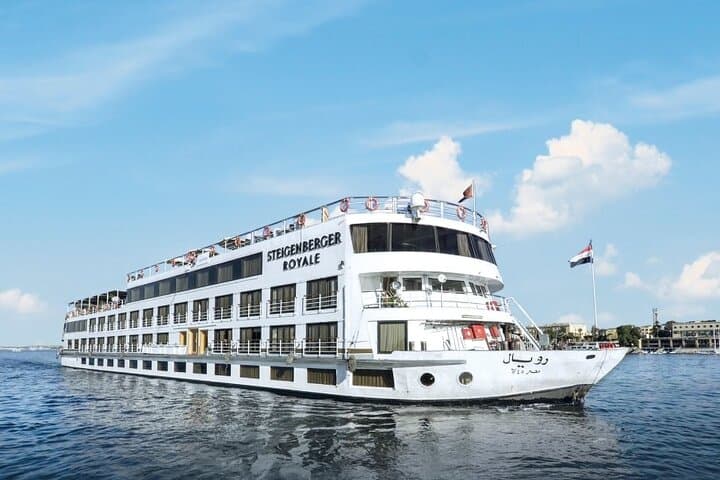

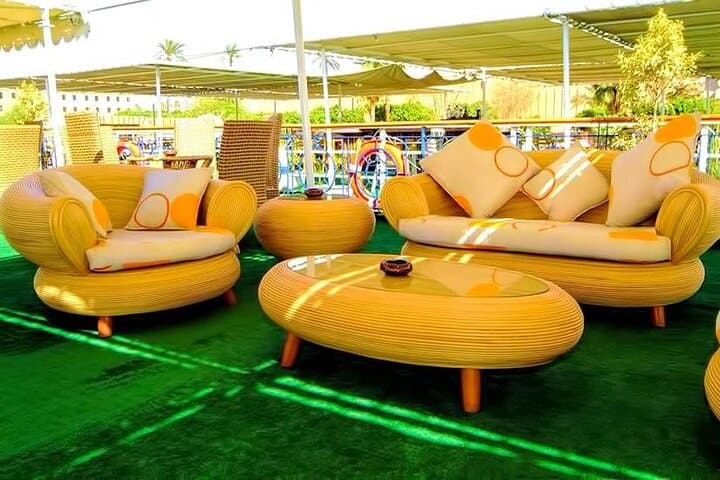
The Nile pushes a slow, deliberate current past low banks of sand and palm groves, daring travelers to watch history slide by from a shaded sundeck. On a four-day Aswan-to-Luxor cruise, passengers move through Egypt’s living museum: granite quarries and High Dam at Aswan, twin sanctuaries at Kom Ombo, the preserved façade of Edfu, and the funerary cliffs of the Valley of the Kings before disembarking in Luxor.
The Nile pushes a slow, deliberate current past low banks of sand and palm groves, daring travelers to watch history slide by from a shaded sundeck. On a four-day Aswan-to-Luxor cruise, passengers move through Egypt’s living museum: granite quarries and High Dam at Aswan, twin sanctuaries at Kom Ombo, the preserved façade of Edfu, and the funerary cliffs of the Valley of the Kings before disembarking in Luxor.
Geology and history are obvious companions here — the river carved a narrow agricultural ribbon through desert millennia, concentrating settlements and temple-building on its banks. Philae’s Greco-Roman columns and the unfinished obelisk’s split face tell practical stories about ancient quarrying and religious life; Luxor and Karnak expose layers of New Kingdom pharaohs and later restorations. Culturally, the journey is guided by Egyptologists who translate hieroglyphs into context, and evenings aboard a five-star cruise often include folkloric music and local cuisine.
Practical guidance: book morning visits to temples to avoid mid-day heat and carry sun protection and a reusable water bottle — hydration is constant work under this sun. Wear supportive walking shoes for uneven temple stone and modest clothing for religious sites. Expect short motorboat transfers, stairs to temple entrances, and guided walks of one to three hours at several stops. Transfers from Aswan pickup and drop-off in Luxor are arranged; confirm pickup point and mobility needs in advance. With curated shore excursions and full-board lodging, the cruise is an efficient, low-stress way to see major Nile sites while keeping active on foot when exploring temples.