THE ADVENTURE COLLECTIVE® · Independent discovery and booking for outdoor travel

Float between two ancient capitals on a four-day Nile cruise that combines dawn visits to Abu Simbel with guided tours of Philae, Kom Ombo, Edfu and Luxor. This itinerary balances relaxed river time with concentrated archaeological stops and practical on-board comforts.
Float between two ancient capitals on a four-day Nile cruise that combines dawn visits to Abu Simbel with guided tours of Philae, Kom Ombo, Edfu and Luxor. This itinerary balances relaxed river time with concentrated archaeological stops and practical on-board comforts.
The deck air tastes of sun-warmed river and diesel as the Nile carries the ship away from Aswan, palm-lined shores sliding past like pages. Morning light finds passengers on the sundeck watching fishermen cast nets and soot-streaked mud-brick villages blink into view; by afternoon the silhouette of a temple will rise from the bank and demand attention.
Verified experiences and guided adventures in the surrounding area.
Operated by Luxor Travels · Aswan, Aswan Governorate
The deck air tastes of sun-warmed river and diesel as the Nile carries the ship away from Aswan, palm-lined shores sliding past like pages. Morning light finds passengers on the sundeck watching fishermen cast nets and soot-streaked mud-brick villages blink into view; by afternoon the silhouette of a temple will rise from the bank and demand attention.
This route threads modern engineering and pharaonic ambition: Aswan’s High Dam reshaped the landscape in the 1960s while temples like Philae, Abu Simbel and Karnak record millennia of ritual architecture carved in sandstone and granite. Geologically, the river corridor is a ribbon of alluvium—fertile soil and soft stone that made large-scale stone quarrying possible and preserved painted tombs inland. Culturally, the trip moves between Nubian communities around Aswan and the ancient Theban capital at Luxor, where funerary art and temple processional ways still guide how locals interpret their past.
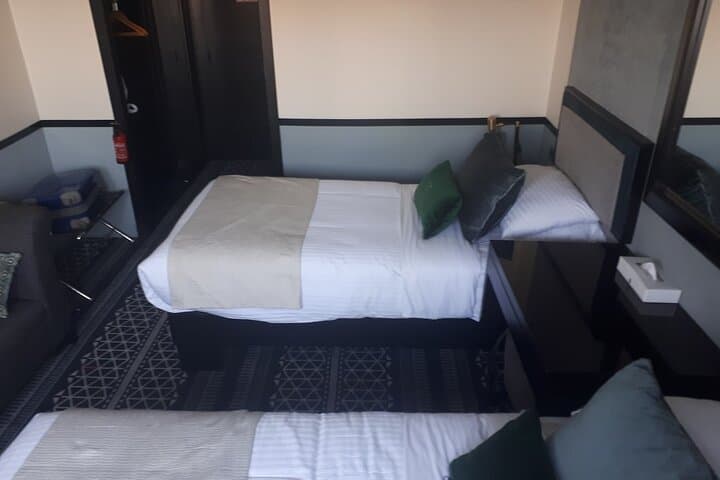
Practical guidance: cabins are air-conditioned with en-suite bathrooms; plan for early starts (Abu Simbel is best at dawn for softer light and cooler temps). Carry a lightweight daypack with water, sun protection and comfortable walking shoes—the temple sites have uneven stone and sun-exposed stretches. Bring small local notes for tips; guides can advise on customary amounts. Expect relaxed sail days for reading or watching river life, and focused archaeological walks at major stops. For photographers, golden hour along the west bank is prime; for anyone sensitive to heat, schedule strenuous visits for morning hours.
easy.
4 days (3 nights).
Suitable for travelers of average fitness; walking at sites involves stairs and uneven surfaces.
Yes; the itinerary is paced for general travelers, but some shore visits involve stairs and short walks—check accessibility options with the operator if mobility is limited.
Entrance to the main sites listed and a qualified Egyptologist guide are included; optional extras like the Karnak sound-and-light show or hot-air balloon rides are additional costs.
Reconfirm with the local provider within the specified reconfirmation window and arrive allowing buffer time for domestic flights; the voucher cannot be used directly at sites.
A valid passport is required at booking and travel; many nationalities need an Egyptian visa—check current visa rules before departure and carry passport details when booking.
The Nile corridor has been a transportation and religious artery for millennia; temples like Karnak and Luxor grew around processional routes that linked daily life to state religion.
Cruise operators are encouraged to limit single-use plastics and follow site rules to protect fragile temple surfaces; visitors should avoid touching reliefs and use marked paths to reduce erosion.
Luxor Travels operates guided outdoor trips and adventures with an emphasis on safety, stewardship, and memorable experiences.
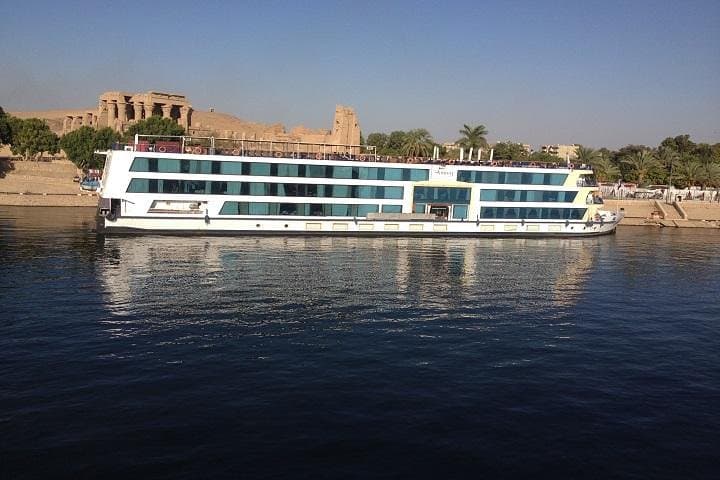
The deck air tastes of sun-warmed river and diesel as the Nile carries the ship away from Aswan, palm-lined shores sliding past like pages. Morning light finds passengers on the sundeck watching fishermen cast nets and soot-streaked mud-brick villages blink into view; by afternoon the silhouette of a temple will rise from the bank and demand attention.
The deck air tastes of sun-warmed river and diesel as the Nile carries the ship away from Aswan, palm-lined shores sliding past like pages. Morning light finds passengers on the sundeck watching fishermen cast nets and soot-streaked mud-brick villages blink into view; by afternoon the silhouette of a temple will rise from the bank and demand attention.
This route threads modern engineering and pharaonic ambition: Aswan’s High Dam reshaped the landscape in the 1960s while temples like Philae, Abu Simbel and Karnak record millennia of ritual architecture carved in sandstone and granite. Geologically, the river corridor is a ribbon of alluvium—fertile soil and soft stone that made large-scale stone quarrying possible and preserved painted tombs inland. Culturally, the trip moves between Nubian communities around Aswan and the ancient Theban capital at Luxor, where funerary art and temple processional ways still guide how locals interpret their past.
Practical guidance: cabins are air-conditioned with en-suite bathrooms; plan for early starts (Abu Simbel is best at dawn for softer light and cooler temps). Carry a lightweight daypack with water, sun protection and comfortable walking shoes—the temple sites have uneven stone and sun-exposed stretches. Bring small local notes for tips; guides can advise on customary amounts. Expect relaxed sail days for reading or watching river life, and focused archaeological walks at major stops. For photographers, golden hour along the west bank is prime; for anyone sensitive to heat, schedule strenuous visits for morning hours.