THE ADVENTURE COLLECTIVE® · Independent discovery and booking for outdoor travel

Glide the Nile from Aswan to Luxor on a two-night cruise, visit Kom Ombo, Edfu and Luxor’s monumental temples, and rise at dawn in a hot-air balloon over the Valley of the Kings. Practical tips and what to expect for a compact, archaeology-focused river trip.
Glide the Nile from Aswan to Luxor on a two-night cruise, visit Kom Ombo, Edfu and Luxor’s monumental temples, and rise at dawn in a hot-air balloon over the Valley of the Kings. Practical tips and what to expect for a compact, archaeology-focused river trip.
Early light pulls the Nile into long silver bands as the cruise slips away from Aswan, palm-fringed islands sliding past like pages in an old book. On deck the river breathes and changes: fishermen cast lines, small feluccas bob, and villages sit low on the bank — the Nile actively shaping every scene you pass.
Verified experiences and guided adventures in the surrounding area.
Operated by Egypt Travel Line · Aswan, Aswan Governorate
Early light pulls the Nile into long silver bands as the cruise slips away from Aswan, palm-fringed islands sliding past like pages in an old book. On deck the river breathes and changes: fishermen cast lines, small feluccas bob, and villages sit low on the bank — the Nile actively shaping every scene you pass.
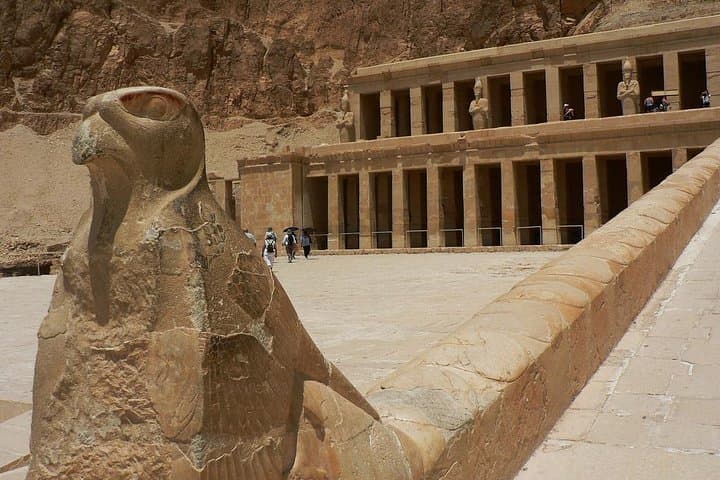
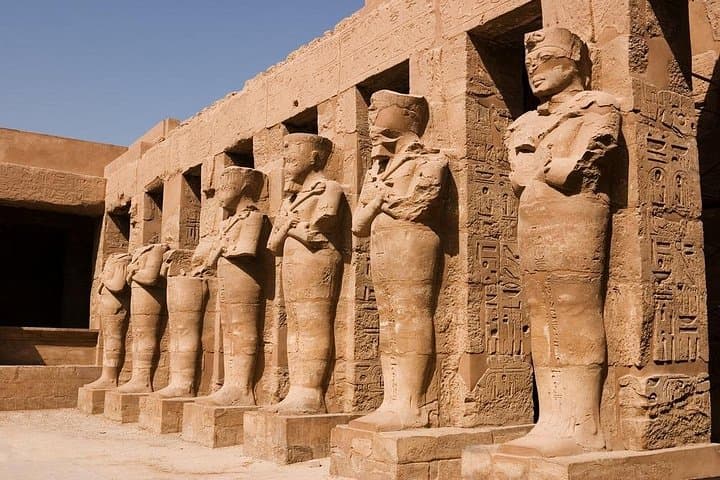
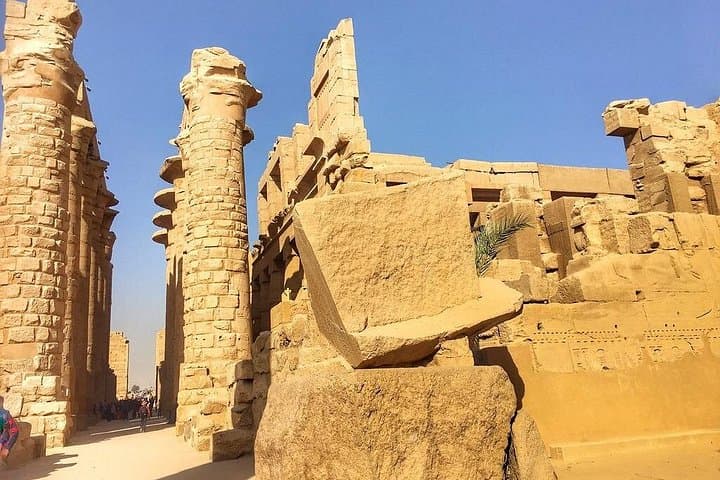
This three-day itinerary traces a corridor of ancient power. The double temple at Kom Ombo honors both Sobek and Horus; Edfu’s best-preserved cult temple tells the Horus-Seth myth in stone. Around Luxor the West Bank holds tombs carved deep into limestone — the Valley of the Kings — while the East Bank’s Karnak complex shows successive rulers adding colonnades and obelisks over two millennia.
Geology here is straightforward: a Nile ribbon incision through Nubian sandstone and limestone, which provided the raw surfaces artisans carved into. Culturally, expect hospitality, local markets, and a strong guide presence — qualified Egyptologists typically narrate the sites.
Practical notes: the trip includes flights Cairo–Aswan and Luxor–Cairo, two nights aboard a cabin-equipped Nile cruiser, and an early-morning hot-air balloon over Luxor. Plan for early starts; the balloon lifts before sunrise. Wear sturdy shoes for uneven temple floors and bring sun protection, a refillable bottle, and small local cash for tips and markets. Respect fragile reliefs and follow guide instructions inside tombs.
This itinerary balances relaxed river time with focused archaeological visits — a short, layered immersion in the Nile’s landscape and history.
moderate.
3 days (approx.).
Suitable for travelers in average fitness; involves walking on uneven surfaces, stair climbs in temples, and early starts for the balloon.
Yes — the itinerary includes scheduled flights Cairo→Aswan at the start and Luxor→Cairo at the end; check exact flight times on booking confirmation.
Balloon operators follow safety protocols; children and those with mobility issues should check operator age/weight restrictions and consult the provider before booking.
Most Nile cruise boats provide private cabins with basic facilities and limited free Wi‑Fi (e.g., up to 4GB as listed); signal can be intermittent between islands.
Carry small Egyptian pounds for local purchases and guide/crew tips; tipping is customary for guides, drivers and cabin staff and is often handled in cash.
The Nile corridor supported Egypt’s pharaonic capitals; Luxor (ancient Thebes) and its temples are layered records of 2,000+ years of royal building.
Heavy visitation stresses ancient stone and painted surfaces; follow site rules, avoid flash photography where restricted, and use local guides to support sustainable tourism.
Egypt Travel Line operates guided outdoor trips and adventures with an emphasis on safety, stewardship, and memorable experiences.
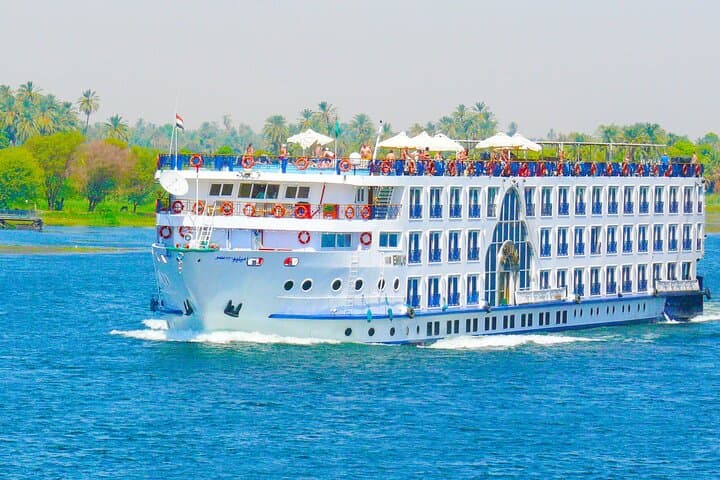
Early light pulls the Nile into long silver bands as the cruise slips away from Aswan, palm-fringed islands sliding past like pages in an old book. On deck the river breathes and changes: fishermen cast lines, small feluccas bob, and villages sit low on the bank — the Nile actively shaping every scene you pass.
Early light pulls the Nile into long silver bands as the cruise slips away from Aswan, palm-fringed islands sliding past like pages in an old book. On deck the river breathes and changes: fishermen cast lines, small feluccas bob, and villages sit low on the bank — the Nile actively shaping every scene you pass.
This three-day itinerary traces a corridor of ancient power. The double temple at Kom Ombo honors both Sobek and Horus; Edfu’s best-preserved cult temple tells the Horus-Seth myth in stone. Around Luxor the West Bank holds tombs carved deep into limestone — the Valley of the Kings — while the East Bank’s Karnak complex shows successive rulers adding colonnades and obelisks over two millennia.
Geology here is straightforward: a Nile ribbon incision through Nubian sandstone and limestone, which provided the raw surfaces artisans carved into. Culturally, expect hospitality, local markets, and a strong guide presence — qualified Egyptologists typically narrate the sites.
Practical notes: the trip includes flights Cairo–Aswan and Luxor–Cairo, two nights aboard a cabin-equipped Nile cruiser, and an early-morning hot-air balloon over Luxor. Plan for early starts; the balloon lifts before sunrise. Wear sturdy shoes for uneven temple floors and bring sun protection, a refillable bottle, and small local cash for tips and markets. Respect fragile reliefs and follow guide instructions inside tombs.
This itinerary balances relaxed river time with focused archaeological visits — a short, layered immersion in the Nile’s landscape and history.