THE ADVENTURE COLLECTIVE® · Independent discovery and booking for outdoor travel

Sail the Nile from Luxor to Aswan on a 6-night journey that pairs Cairo’s museums and pyramids with temple visits, tomb tours and island temples. This cruise combines guided archaeology with comfortable onboard nights and practical rhythms for exploring Egypt’s river corridor.
Sail the Nile from Luxor to Aswan on a 6-night journey that pairs Cairo’s museums and pyramids with temple visits, tomb tours and island temples. This cruise combines guided archaeology with comfortable onboard nights and practical rhythms for exploring Egypt’s river corridor.
You step onto the cruise’s teak deck before dawn and the Nile reaches for the hull, slow and insistently current-driven, palms sliding past like silent sentries. The air smells of river mud and spice; minarets and mud brick villages punctuate the horizon while gulls trace the wake.
Verified experiences and guided adventures in the surrounding area.
Operated by Goooiing.Com · Cairo, Cairo Governorate
You step onto the cruise’s teak deck before dawn and the Nile reaches for the hull, slow and insistently current-driven, palms sliding past like silent sentries. The air smells of river mud and spice; minarets and mud brick villages punctuate the horizon while gulls trace the wake.
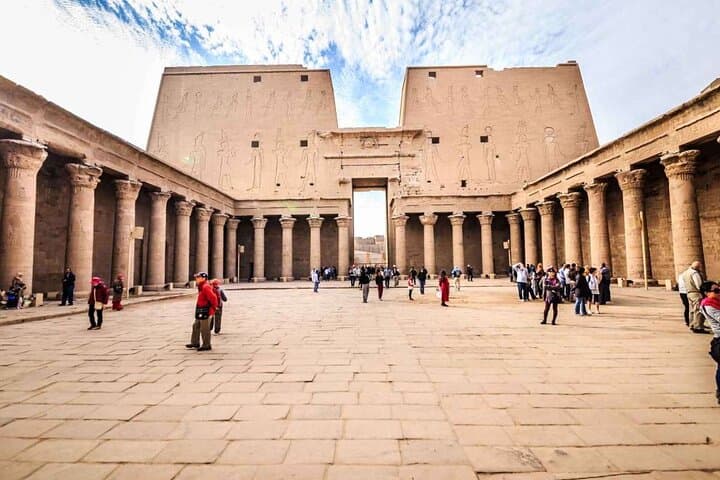
This 6N7D itinerary threads Egypt’s most iconic sites: Cairo’s Egyptian Museum and the Giza Pyramids & Sphinx, then a short flight to Luxor to board a Nile cruise that sails roughly 200–250 river kilometers to Aswan. Along the river you encounter Karnak and Luxor temples, the Valley of the Kings and Hatshepsut’s mortuary temple, the temple complexes at Edfu and Kom Ombo, and Philae beside the High Dam — each built from local limestone and sandstone and carved with hieroglyphs that mark a continuous pharaonic presence spanning millennia.
Culturally the trip balances archaeologist-led interpretation with everyday life along the Nile: market stalls selling papyrus and perfume, Nubian rhythms in Aswan, and the modern engineering imprint of the Aswan High Dam. Geologically the river’s alluvial plain is the reason these temples were built here — fertile bands surrounded by desert.
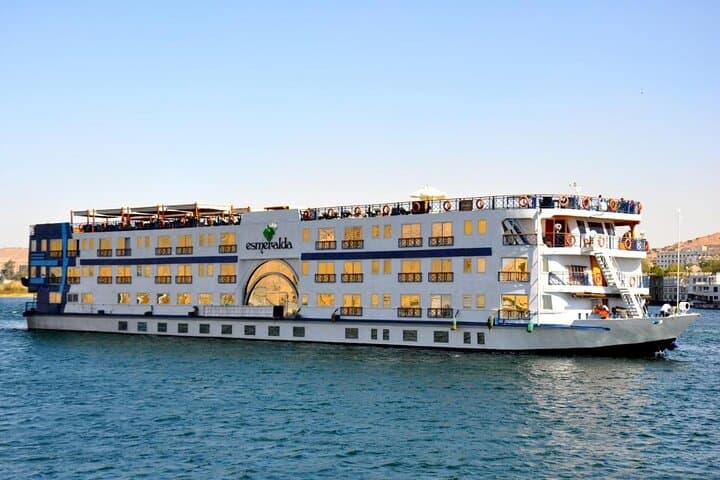
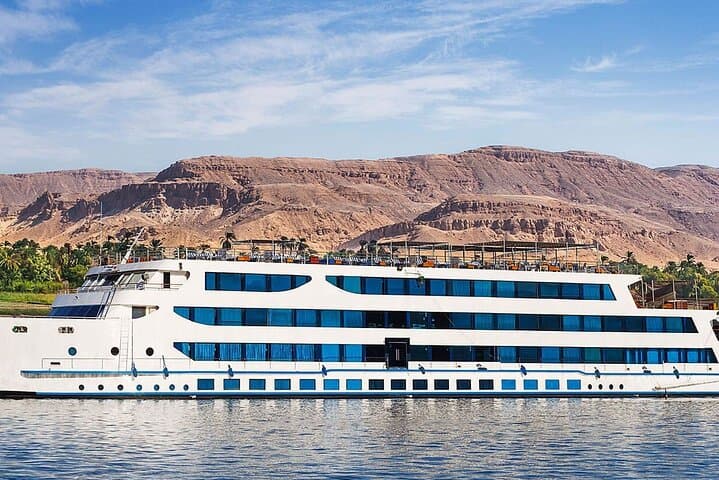
Practicalities: plan for long but comfortable days, early starts to beat heat, and multiple short shore excursions. Carry sun protection, a water bottle, comfortable shoes for uneven temple steps, and a neck pouch for travel documents. Expect board nights on a mid-range Nile cruiser and two nights in Cairo hotels; entrance fees and several meals are included. Travel light, move deliberately between tomb passages, and allow time to watch the river slow the day into sunset.
moderate.
6–7 days.
Moderate fitness for multiple short walks, stair-climbed temple visits, and boarding tenders; suitable for travelers who can walk 2–4 miles over a day.
Yes — mid-range Nile cruises on this itinerary offer cabin accommodation, meals and daytime excursions; passengers should be able to climb a short gangway and walk temple approaches.
The tour lists multiple meals and entrance fees for included sites; confirm exact inclusions before booking since some optional visits may cost extra.
Mobile reception is intermittent outside major cities; credit cards are accepted in larger hotels and shops but carry cash for smaller vendors and tips.
This itinerary involves stairs, uneven surfaces and occasional short walks; travelers with significant mobility limitations should contact the operator to review accessibility options.
The Nile Valley sustained pharaonic civilization for millennia; temples and tombs along this route record rituals, royal power and ancient engineering tied to annual floods.
The Aswan High Dam changed sediment flow and ecology downstream; travelers should respect protected sites, avoid touching reliefs and support responsible operators who limit visitor impact.
Goooiing.Com operates guided outdoor trips and adventures with an emphasis on safety, stewardship, and memorable experiences.
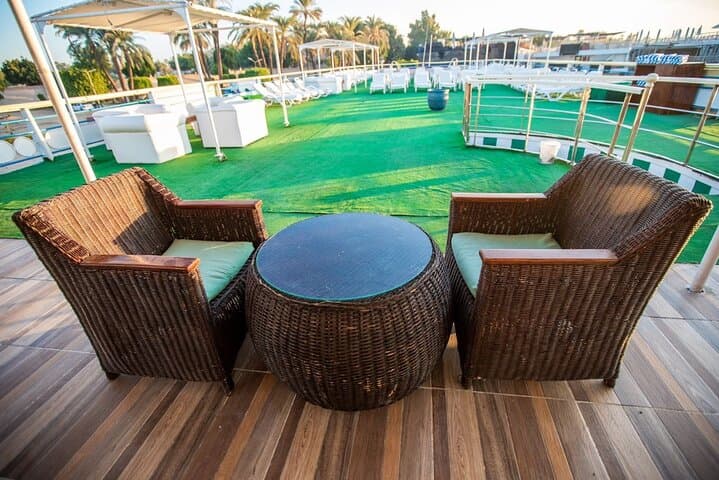
You step onto the cruise’s teak deck before dawn and the Nile reaches for the hull, slow and insistently current-driven, palms sliding past like silent sentries. The air smells of river mud and spice; minarets and mud brick villages punctuate the horizon while gulls trace the wake.
You step onto the cruise’s teak deck before dawn and the Nile reaches for the hull, slow and insistently current-driven, palms sliding past like silent sentries. The air smells of river mud and spice; minarets and mud brick villages punctuate the horizon while gulls trace the wake.
This 6N7D itinerary threads Egypt’s most iconic sites: Cairo’s Egyptian Museum and the Giza Pyramids & Sphinx, then a short flight to Luxor to board a Nile cruise that sails roughly 200–250 river kilometers to Aswan. Along the river you encounter Karnak and Luxor temples, the Valley of the Kings and Hatshepsut’s mortuary temple, the temple complexes at Edfu and Kom Ombo, and Philae beside the High Dam — each built from local limestone and sandstone and carved with hieroglyphs that mark a continuous pharaonic presence spanning millennia.
Culturally the trip balances archaeologist-led interpretation with everyday life along the Nile: market stalls selling papyrus and perfume, Nubian rhythms in Aswan, and the modern engineering imprint of the Aswan High Dam. Geologically the river’s alluvial plain is the reason these temples were built here — fertile bands surrounded by desert.
Practicalities: plan for long but comfortable days, early starts to beat heat, and multiple short shore excursions. Carry sun protection, a water bottle, comfortable shoes for uneven temple steps, and a neck pouch for travel documents. Expect board nights on a mid-range Nile cruiser and two nights in Cairo hotels; entrance fees and several meals are included. Travel light, move deliberately between tomb passages, and allow time to watch the river slow the day into sunset.