THE ADVENTURE COLLECTIVE® · Independent discovery and booking for outdoor travel

Float the Nile from Aswan to Luxor on a three-night cruise that pairs Abu Simbel and Kom Ombo with a Luxor hot-air balloon and guided temple visits. Expect early starts, archaeological highlights, and a mix of river comfort and active walking at ancient sites.
Float the Nile from Aswan to Luxor on a three-night cruise that pairs Abu Simbel and Kom Ombo with a Luxor hot-air balloon and guided temple visits. Expect early starts, archaeological highlights, and a mix of river comfort and active walking at ancient sites.
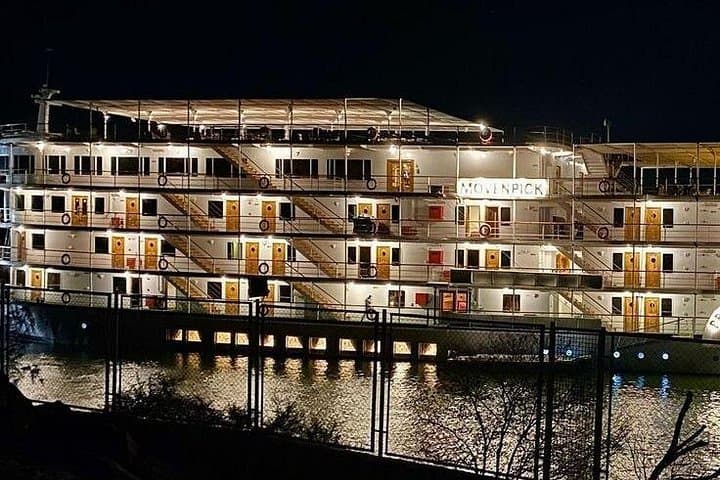
Dawn breaks over the Nile and the cruise slips away from Aswan: palm-lined farms slide past the rail while the river, wide and slow, dares you to look away. On deck, the cool morning air carries the smell of diesel and cardamom coffee; by evening the desert sky deepens and the temple silhouettes sharpen into another kind of map.
Verified experiences and guided adventures in the surrounding area.
Operated by Best Of Egypt Tours · Aswan, Aswan Governorate
Dawn breaks over the Nile and the cruise slips away from Aswan: palm-lined farms slide past the rail while the river, wide and slow, dares you to look away. On deck, the cool morning air carries the smell of diesel and cardamom coffee; by evening the desert sky deepens and the temple silhouettes sharpen into another kind of map.
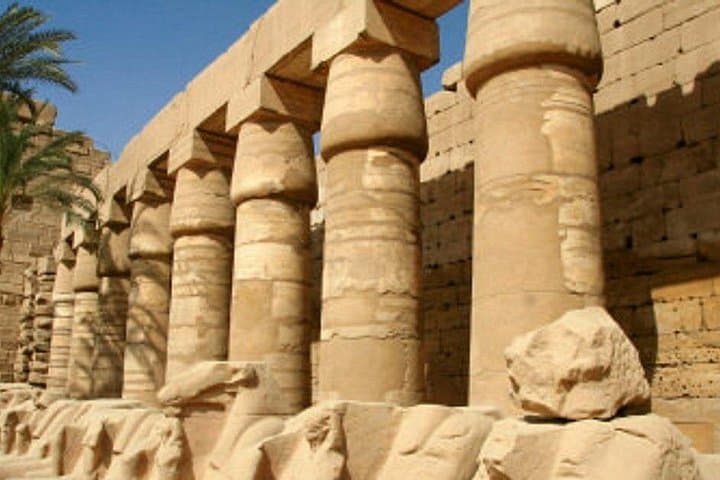
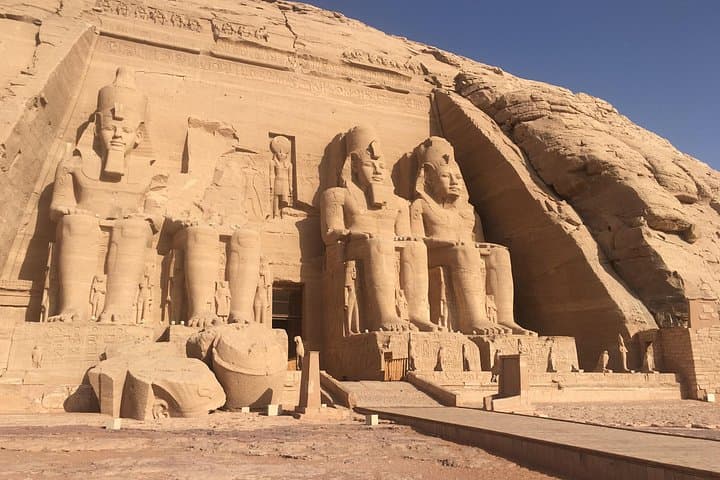
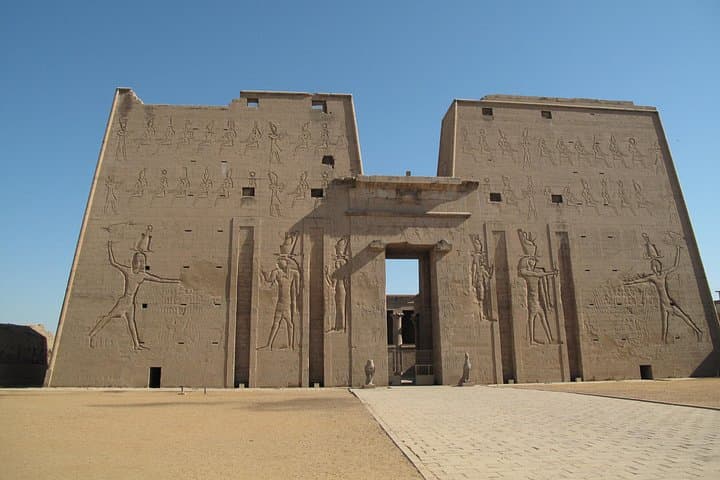
This four-day itinerary threads modern transport with ancient remains. From the modern engineering of the Aswan High Dam to the rock-cut grandeur of Abu Simbel, the route traces millennia of Nile-dependent civilization. Kom Ombo’s dual temple tells a story of crocodile cults and specialized medicine; Edfu and Luxor present layered pharaonic campaigns, massive pylons, and avenues of sphinxes that mapped religious power across Upper Egypt.
Geologically the river corridor is a ribbon of alluvium between granite outcrops at Aswan and sedimentary sandstone around Luxor — the materials that sculpted temples and quarried obelisks. Culturally, expect Nubian hospitality on Soheil Island and a mix of Arabic and archaeological tourism infrastructures in both cities.
Practical guidance: mornings are best for temple visits and the balloon ride (light winds and soft light); carry a refillable water bottle, wide-brim hat, and sturdy shoes for uneven temple ramps and tomb steps. Plan for security checks, intermittent walking on sand and stone, and early pick-ups for shared transfers to Abu Simbel. Wi‑Fi on board is limited; keep cash for small village purchases and tips.
This trip balances low-impact cruising comfort with active site exploration — a compact way to move through Egypt’s living history while keeping the Nile’s current as your pace-setter.
moderate.
4 days.
Suitable for travelers in average fitness; requires walking, standing, and climbing temple steps for several hours across days.
The package includes an Abu Simbel excursion; expect early morning pickups and a multi-hour round-trip transfer, often by coach or shared transfer, depending on the schedule.
Yes—balloon rides run subject to wind and weather; operators may reschedule or cancel for safety and provide alternatives when possible.
The cruise and transfers report wheelchair-accessible options, but temple sites have uneven surfaces and steps; mobility limitations may restrict access to some areas.
Full-board meals on the cruise are included; tipping for guides, drivers, and local hosts is customary and usually not included in the base price.
The route follows a stretch of the Nile that linked pharaonic capitals and funerary complexes; many temples were built from sandstone and relocated or conserved in the 20th century.
Touring impacts include water use and site wear; choose operators who support local guides, respect village customs, and follow site preservation rules.
Best Of Egypt Tours operates guided outdoor trips and adventures with an emphasis on safety, stewardship, and memorable experiences.
Dawn breaks over the Nile and the cruise slips away from Aswan: palm-lined farms slide past the rail while the river, wide and slow, dares you to look away. On deck, the cool morning air carries the smell of diesel and cardamom coffee; by evening the desert sky deepens and the temple silhouettes sharpen into another kind of map.
Dawn breaks over the Nile and the cruise slips away from Aswan: palm-lined farms slide past the rail while the river, wide and slow, dares you to look away. On deck, the cool morning air carries the smell of diesel and cardamom coffee; by evening the desert sky deepens and the temple silhouettes sharpen into another kind of map.
This four-day itinerary threads modern transport with ancient remains. From the modern engineering of the Aswan High Dam to the rock-cut grandeur of Abu Simbel, the route traces millennia of Nile-dependent civilization. Kom Ombo’s dual temple tells a story of crocodile cults and specialized medicine; Edfu and Luxor present layered pharaonic campaigns, massive pylons, and avenues of sphinxes that mapped religious power across Upper Egypt.
Geologically the river corridor is a ribbon of alluvium between granite outcrops at Aswan and sedimentary sandstone around Luxor — the materials that sculpted temples and quarried obelisks. Culturally, expect Nubian hospitality on Soheil Island and a mix of Arabic and archaeological tourism infrastructures in both cities.
Practical guidance: mornings are best for temple visits and the balloon ride (light winds and soft light); carry a refillable water bottle, wide-brim hat, and sturdy shoes for uneven temple ramps and tomb steps. Plan for security checks, intermittent walking on sand and stone, and early pick-ups for shared transfers to Abu Simbel. Wi‑Fi on board is limited; keep cash for small village purchases and tips.
This trip balances low-impact cruising comfort with active site exploration — a compact way to move through Egypt’s living history while keeping the Nile’s current as your pace-setter.