THE ADVENTURE COLLECTIVE® · Independent discovery and booking for outdoor travel

A four-day Nile cruise from Aswan to Luxor pairs five-star onboard comfort with sunrise hot-air ballooning and visits to Abu Simbel, Kom Ombo, Edfu and the Valley of the Kings. Expect early starts, dusty sandstone steps, and unbeatable sunrise photography over the West Bank.
A four-day Nile cruise from Aswan to Luxor pairs five-star onboard comfort with sunrise hot-air ballooning and visits to Abu Simbel, Kom Ombo, Edfu and the Valley of the Kings. Expect early starts, dusty sandstone steps, and unbeatable sunrise photography over the West Bank.
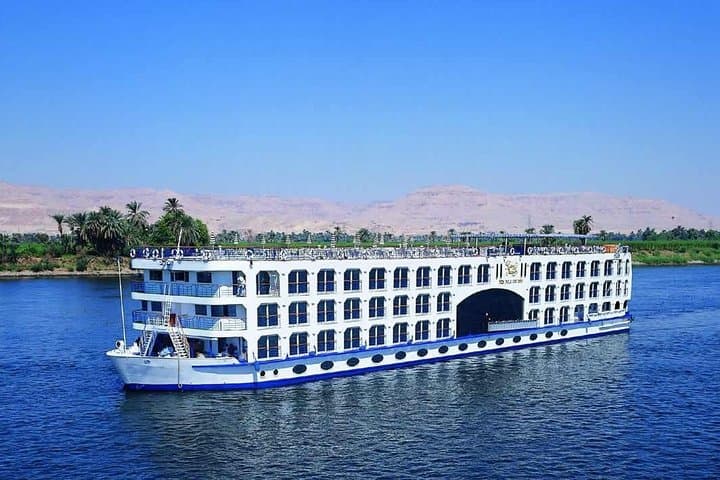
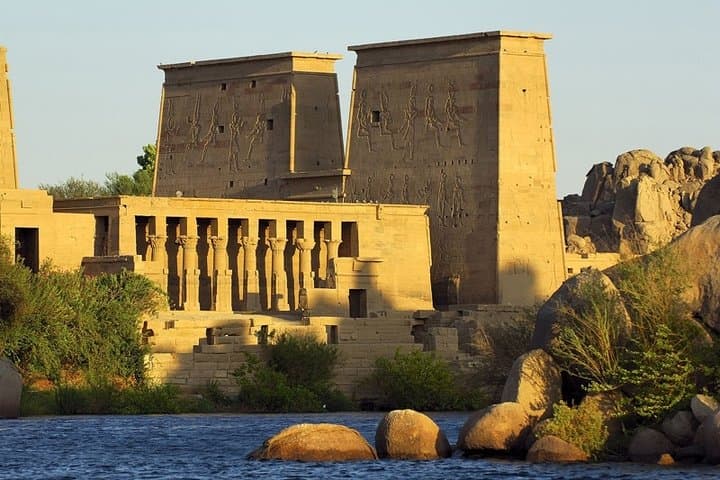
You wake before dawn on the cedar-deck of a five-star dahabiya as the Nile loosens its surface and the river carries you south. Papyrus reeds slide past like lines on a map, sandstone bluffs lift their faces, and the silhouette of an ancient temple materializes at the water’s edge — a reminder that this river still moves history.
Verified experiences and guided adventures in the surrounding area.
Operated by Book Your Tours · Aswan, Aswan Governorate
You wake before dawn on the cedar-deck of a five-star dahabiya as the Nile loosens its surface and the river carries you south. Papyrus reeds slide past like lines on a map, sandstone bluffs lift their faces, and the silhouette of an ancient temple materializes at the water’s edge — a reminder that this river still moves history.
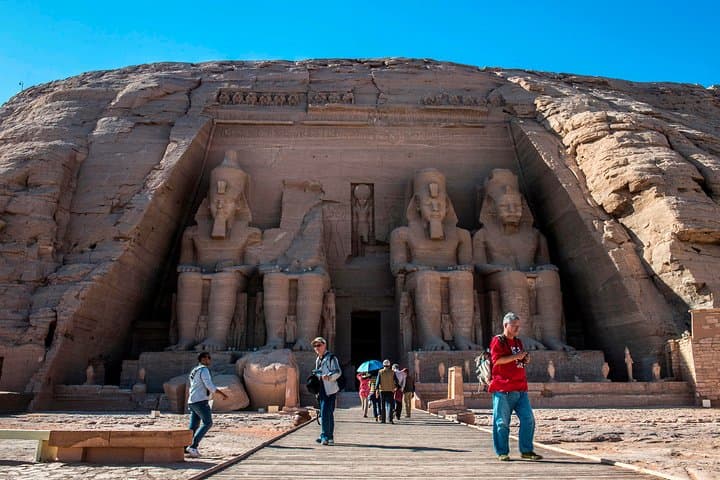
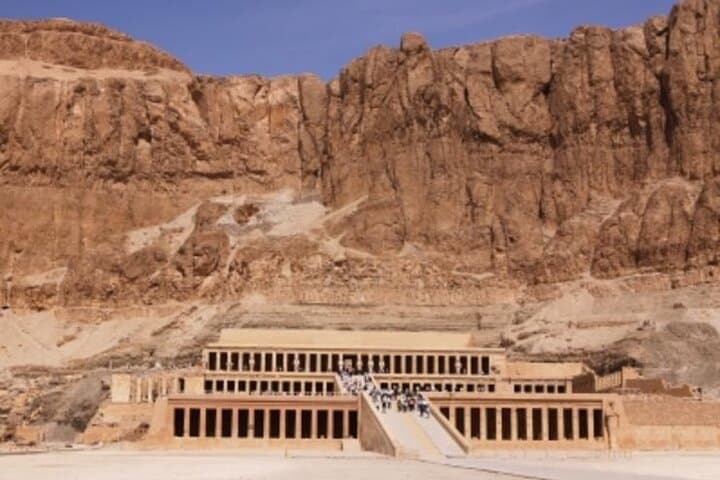
The route between Aswan and Luxor stitches late Pharaonic sites with modern engineering: the High Dam at Aswan reshaped the Nile’s floodplain, while Abu Simbel’s rock-cut façades celebrate Ramesses II’s imperial reach. Geology alternates between alluvial terraces and wind-polished sandstone escarpments; temples were built to face sunrise and the river’s rhythm. Culturally, the cruise threads Nubian hospitality — Soheil Island’s small houses and vivid textiles — with Luxor’s funerary landscape: Valley of the Kings, Hatshepsut’s mortuary temple and the colossal pylons of Karnak.
Practical guidance: pack for intense sun and dusty winds, plan early mornings for balloon lift-offs and temple light, and expect uneven stone steps in tombs. Stay hydrated — the Nile will tempt you to move slowly, but sunlight can strip energy fast. Wear supportive shoes for walking cairns and temple grounds; bring a lightweight layer for pre-dawn balloon landings.
Onboard comforts compress the logistics: full-board meals, shore transfers and an Egyptologist guide. For photographers, dawn and dusk are decisive; for planners, factor in quiet transit time between ports. Respect archaeological rules — no flash in tombs, minimal touching — and leave room in your itinerary to simply watch the river push the world gently forward.
moderate.
4 days.
Average fitness — you should be comfortable walking 2–4 miles in a day and climbing stairs and uneven surfaces.
Yes — the itinerary lists a 30–45 minute hot-air balloon flight over Luxor’s West Bank as part of the program.
Transfers between the cruise, local hotels and specified pickup/drop-offs are included; domestic flights or independent transport to Aswan are not guaranteed—confirm at booking.
The operator notes wheelchair-accessible transport and surfaces in many areas, but several temples and tombs have steps and tight spaces that limit access; check specifics for each stop.
Tipping is customary for guides, drivers and cabin staff; bring small bills and tip at the end of each service or as recommended by your guide (typically pooled for crew).
The Upper Nile corridor was the political and religious heart of New Kingdom Egypt; many temples here were aligned to solar events and royal funerary routes.
Visitor pressure and rising visitor numbers require careful site management — avoid touching reliefs, use refillable water bottles and follow guide instructions to protect fragile paintings and tomb floors.
Book Your Tours operates guided outdoor trips and adventures with an emphasis on safety, stewardship, and memorable experiences.
You wake before dawn on the cedar-deck of a five-star dahabiya as the Nile loosens its surface and the river carries you south. Papyrus reeds slide past like lines on a map, sandstone bluffs lift their faces, and the silhouette of an ancient temple materializes at the water’s edge — a reminder that this river still moves history.
You wake before dawn on the cedar-deck of a five-star dahabiya as the Nile loosens its surface and the river carries you south. Papyrus reeds slide past like lines on a map, sandstone bluffs lift their faces, and the silhouette of an ancient temple materializes at the water’s edge — a reminder that this river still moves history.
The route between Aswan and Luxor stitches late Pharaonic sites with modern engineering: the High Dam at Aswan reshaped the Nile’s floodplain, while Abu Simbel’s rock-cut façades celebrate Ramesses II’s imperial reach. Geology alternates between alluvial terraces and wind-polished sandstone escarpments; temples were built to face sunrise and the river’s rhythm. Culturally, the cruise threads Nubian hospitality — Soheil Island’s small houses and vivid textiles — with Luxor’s funerary landscape: Valley of the Kings, Hatshepsut’s mortuary temple and the colossal pylons of Karnak.
Practical guidance: pack for intense sun and dusty winds, plan early mornings for balloon lift-offs and temple light, and expect uneven stone steps in tombs. Stay hydrated — the Nile will tempt you to move slowly, but sunlight can strip energy fast. Wear supportive shoes for walking cairns and temple grounds; bring a lightweight layer for pre-dawn balloon landings.
Onboard comforts compress the logistics: full-board meals, shore transfers and an Egyptologist guide. For photographers, dawn and dusk are decisive; for planners, factor in quiet transit time between ports. Respect archaeological rules — no flash in tombs, minimal touching — and leave room in your itinerary to simply watch the river push the world gently forward.