THE ADVENTURE COLLECTIVE® · Independent discovery and booking for outdoor travel

A three-night Nile cruise from Aswan to Luxor pairs ancient monuments with comfortable river travel. Expect Abu Simbel at sunrise, Nubian village visits, Kom Ombo and Edfu, and a pre-dawn hot-air balloon over Luxor.
A three-night Nile cruise from Aswan to Luxor pairs ancient monuments with comfortable river travel. Expect Abu Simbel at sunrise, Nubian village visits, Kom Ombo and Edfu, and a pre-dawn hot-air balloon over Luxor.
You wake before dawn on the Nile's decking, the river stretching like a slow, deliberate current that pushes the ship away from Aswan’s silhouette. Palm-fringed islands and low cliffs slide past as an Egyptologist outlines what you'll see: the rock-cut majesty of Abu Simbel, the dual-faced Kom Ombo, the temple of Horus at Edfu, and the open-air museum of Luxor—finally capped by a buoyant hot-air balloon ride over the west bank.
Verified experiences and guided adventures in the surrounding area.
Operated by Nile Prince Travel · Aswan, Aswan Governorate
You wake before dawn on the Nile's decking, the river stretching like a slow, deliberate current that pushes the ship away from Aswan’s silhouette. Palm-fringed islands and low cliffs slide past as an Egyptologist outlines what you'll see: the rock-cut majesty of Abu Simbel, the dual-faced Kom Ombo, the temple of Horus at Edfu, and the open-air museum of Luxor—finally capped by a buoyant hot-air balloon ride over the west bank.
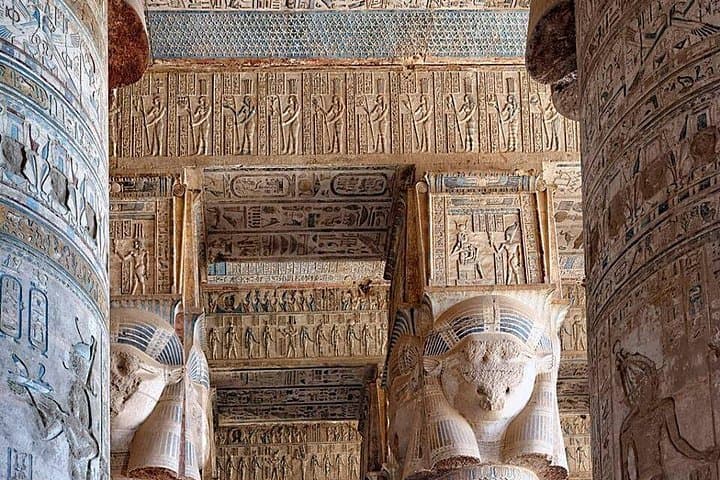
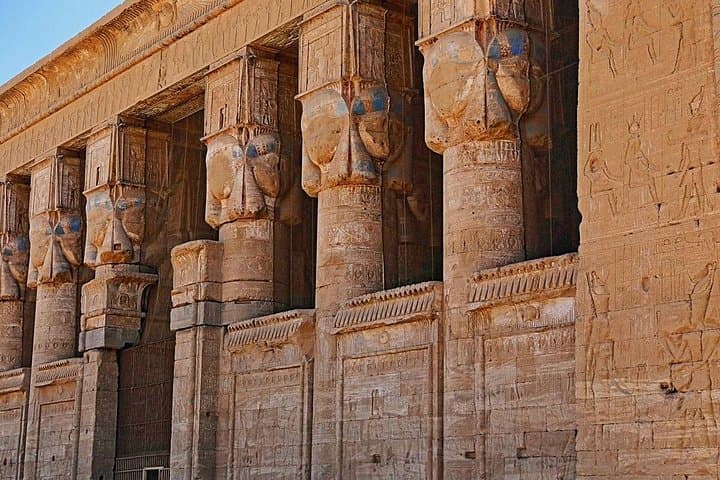
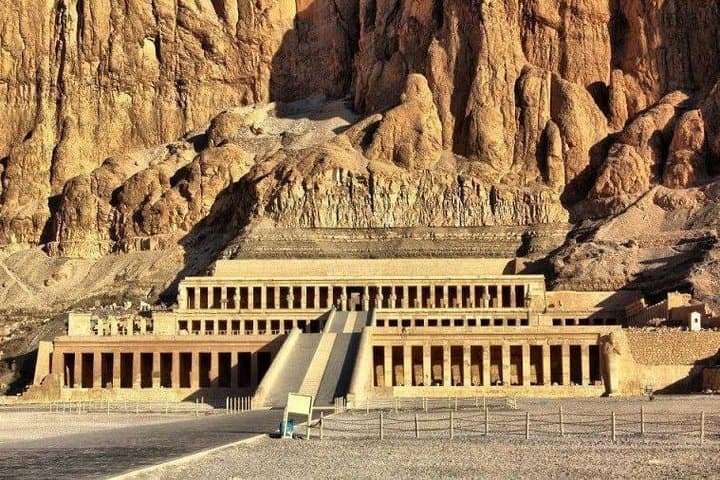
This corridor of the Nile carries 5,000 years of history. The Aswan High Dam (1960) reshaped the river's flow and modern life here, while the temples—cut from sandstone or raised as colonnaded complexes—record pharaonic power from Ramesses II to Hatshepsut. Nubian villages on small islands preserve distinct language, crafts and hospitality; visiting a family on Soheil Island offers a close cultural counterpoint to stone and sand.
Expect easy days broken by concentrated walks on archaeological sites that involve steps, uneven stone, and sometimes heat. Practicalities matter: early departures for Abu Simbel and balloon flights, sunscreen and water, and modest dress when visiting religious sites and local villages. Carry small local currency for tips and market purchases; the cruise provides meals, transfers and an English-speaking guide, but independent walking in Luxor may require negotiating carriage rides or taxis.
This itinerary blends relaxed river time with intense, photo-rich stops—ideal for travelers who want history, light adventure, and the chance to watch the Nile keep moving on its own timeless pace.
moderate.
3–4 days.
Suitable for travelers who can walk 1–3 miles over uneven surfaces and climb stairs; minimal sustained exertion but be ready for heat and steps.
Most nationalities require an Egypt visa; check current embassy rules and obtain a visa in advance or on arrival where available.
Operators generally set minimum age limits and weight rules; expect early pickup and brief standing during landing—check provider restrictions before booking.
From Aswan it's about a 3-hour shared transfer each way early in the morning; the full round trip can take most of the day including site time.
Many tombs and temples have uneven steps and narrow passages; portions of the itinerary list wheelchair-accessible transport, but access at archaeological sites is limited—ask the operator for specifics.
The Aswan–Luxor corridor was central to Pharaonic Egypt—monuments were aligned with Nile flows and royal funerary landscapes, while the High Dam reshaped the modern Nile in 1960.
Tourism supports preservation but stresses fragile sites—follow site rules, avoid touching reliefs, and minimize plastic waste; respect Nubian community customs and ask before photographing people.
Nile Prince Travel operates guided outdoor trips and adventures with an emphasis on safety, stewardship, and memorable experiences.
You wake before dawn on the Nile's decking, the river stretching like a slow, deliberate current that pushes the ship away from Aswan’s silhouette. Palm-fringed islands and low cliffs slide past as an Egyptologist outlines what you'll see: the rock-cut majesty of Abu Simbel, the dual-faced Kom Ombo, the temple of Horus at Edfu, and the open-air museum of Luxor—finally capped by a buoyant hot-air balloon ride over the west bank.
You wake before dawn on the Nile's decking, the river stretching like a slow, deliberate current that pushes the ship away from Aswan’s silhouette. Palm-fringed islands and low cliffs slide past as an Egyptologist outlines what you'll see: the rock-cut majesty of Abu Simbel, the dual-faced Kom Ombo, the temple of Horus at Edfu, and the open-air museum of Luxor—finally capped by a buoyant hot-air balloon ride over the west bank.
This corridor of the Nile carries 5,000 years of history. The Aswan High Dam (1960) reshaped the river's flow and modern life here, while the temples—cut from sandstone or raised as colonnaded complexes—record pharaonic power from Ramesses II to Hatshepsut. Nubian villages on small islands preserve distinct language, crafts and hospitality; visiting a family on Soheil Island offers a close cultural counterpoint to stone and sand.
Expect easy days broken by concentrated walks on archaeological sites that involve steps, uneven stone, and sometimes heat. Practicalities matter: early departures for Abu Simbel and balloon flights, sunscreen and water, and modest dress when visiting religious sites and local villages. Carry small local currency for tips and market purchases; the cruise provides meals, transfers and an English-speaking guide, but independent walking in Luxor may require negotiating carriage rides or taxis.
This itinerary blends relaxed river time with intense, photo-rich stops—ideal for travelers who want history, light adventure, and the chance to watch the Nile keep moving on its own timeless pace.