THE ADVENTURE COLLECTIVE® · Independent discovery and booking for outdoor travel

Sail from Aswan to Luxor on a three-night Nile cruise that pairs riverside relaxation with full-day historic excursions — including Abu Simbel and a sunrise hot-air balloon over Luxor. Early starts, warm days, and unforgettable temple views define the trip.
Sail from Aswan to Luxor on a three-night Nile cruise that pairs riverside relaxation with full-day historic excursions — including Abu Simbel and a sunrise hot-air balloon over Luxor. Early starts, warm days, and unforgettable temple views define the trip.
The sun lifts off the Nile in a slow, golden push as the cruise slips from Aswan’s quayside — palm-lined islands sliding past like pages in an old book. On deck, the river breathes heat and light; islands dare you to slow down and listen. Over the next three nights you’ll move with the current between monuments that carved Egypt’s story into stone.
Verified experiences and guided adventures in the surrounding area.
Operated by Book Your Tours · Aswan, Aswan Governorate
The sun lifts off the Nile in a slow, golden push as the cruise slips from Aswan’s quayside — palm-lined islands sliding past like pages in an old book. On deck, the river breathes heat and light; islands dare you to slow down and listen. Over the next three nights you’ll move with the current between monuments that carved Egypt’s story into stone.
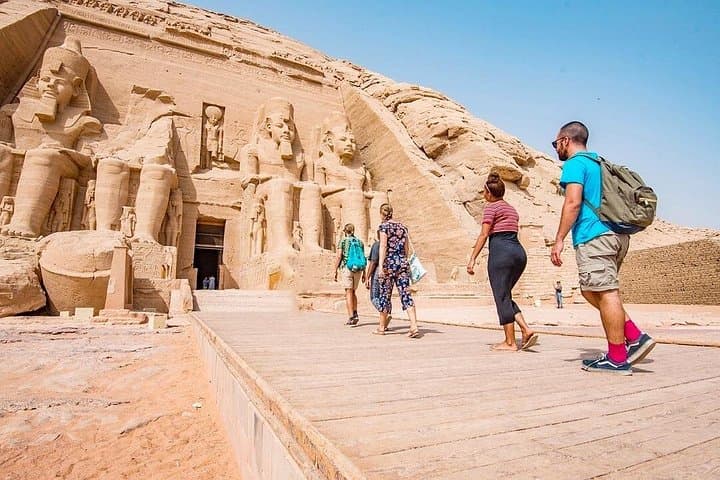
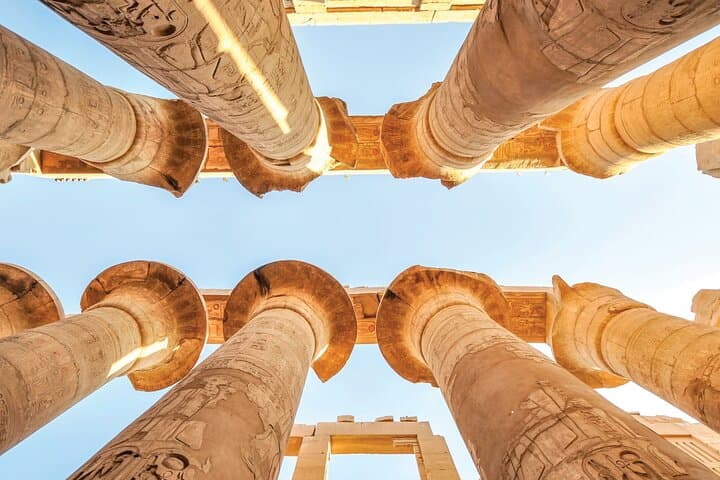
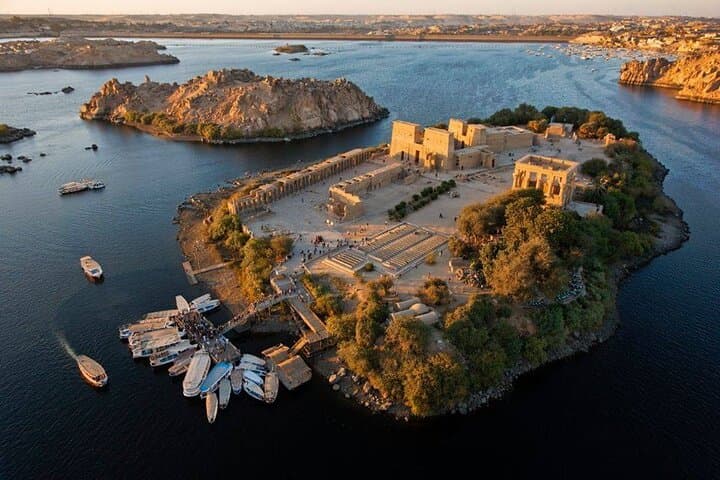
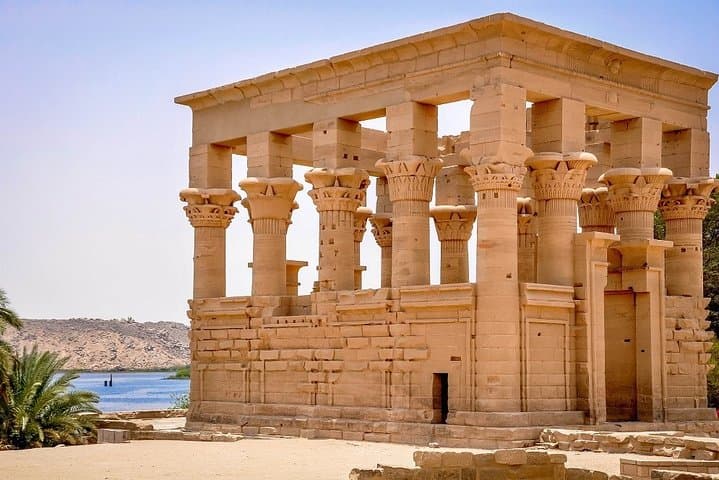
This voyage threads modern engineering and millennia-old architecture: the High Dam that tamed the Nile in the 1960s, the island temple of Philae raised stone-by-stone after the Aswan Dam project, the twin-sanctuary Kom Ombo, the well-preserved Edfu temple, and finally Luxor’s East and West Banks — Karnak’s forest of columns and the Valley of the Kings’ hidden tombs. Day two offers a long road to Abu Simbel (about 285 km south of Aswan) to stand beneath Ramesses II’s colossal façade.
Geology here is simple and stark: river silt meets sandstone escarpments; the desert shoulder rises in ochre cliffs where tombs were cut. Local culture is present in market calls, Nubian island hospitality, and the steady guidebook of hieroglyphs.
Practical guide: the hot-air balloon launches before dawn (pickups around 5:00 AM) for a 35–45 minute flight over Luxor’s West Bank. Expect early starts (Abu Simbel pickups ~4:30 AM), uneven stone surfaces, and temple stairs. Bring high-SPF sun protection, lightweight layers for cool mornings, comfortable walking shoes, and cash for tips and local stalls. Hydrate constantly in the dry heat and allow time to move between temple queues and the ship — the rhythm of the Nile rewards a patient pace.
easy.
4 days (3 nights).
Suitable for most fitness levels; involves walking on uneven stone, stairs and short uphill approaches at sites.
The included flight is typically 35–45 minutes and launches before sunrise; expect early pickup (around 5:00 AM).
National entry fees and visas are handled separately; some site admissions and the Abu Simbel transfer may not be included—confirm what the booking covers before travel.
The cruise and transfers are wheelchair-accessible, but many temple sites have uneven surfaces and stairs; some areas require assisted access or may be limited for wheelchairs.
Modest, lightweight clothing that covers shoulders and knees is recommended; bring comfortable shoes and a scarf for sun and dust protection.
The Upper Nile corridor served as both a political and religious spine for ancient Egypt; temples here were strategically aligned with the river and desert escarpments.
River traffic and tourism strain local water and waste systems; choose operators who limit single-use plastics and support responsible shore visits.
Book Your Tours operates guided outdoor trips and adventures with an emphasis on safety, stewardship, and memorable experiences.
The sun lifts off the Nile in a slow, golden push as the cruise slips from Aswan’s quayside — palm-lined islands sliding past like pages in an old book. On deck, the river breathes heat and light; islands dare you to slow down and listen. Over the next three nights you’ll move with the current between monuments that carved Egypt’s story into stone.
The sun lifts off the Nile in a slow, golden push as the cruise slips from Aswan’s quayside — palm-lined islands sliding past like pages in an old book. On deck, the river breathes heat and light; islands dare you to slow down and listen. Over the next three nights you’ll move with the current between monuments that carved Egypt’s story into stone.
This voyage threads modern engineering and millennia-old architecture: the High Dam that tamed the Nile in the 1960s, the island temple of Philae raised stone-by-stone after the Aswan Dam project, the twin-sanctuary Kom Ombo, the well-preserved Edfu temple, and finally Luxor’s East and West Banks — Karnak’s forest of columns and the Valley of the Kings’ hidden tombs. Day two offers a long road to Abu Simbel (about 285 km south of Aswan) to stand beneath Ramesses II’s colossal façade.
Geology here is simple and stark: river silt meets sandstone escarpments; the desert shoulder rises in ochre cliffs where tombs were cut. Local culture is present in market calls, Nubian island hospitality, and the steady guidebook of hieroglyphs.
Practical guide: the hot-air balloon launches before dawn (pickups around 5:00 AM) for a 35–45 minute flight over Luxor’s West Bank. Expect early starts (Abu Simbel pickups ~4:30 AM), uneven stone surfaces, and temple stairs. Bring high-SPF sun protection, lightweight layers for cool mornings, comfortable walking shoes, and cash for tips and local stalls. Hydrate constantly in the dry heat and allow time to move between temple queues and the ship — the rhythm of the Nile rewards a patient pace.