THE ADVENTURE COLLECTIVE® · Independent discovery and booking for outdoor travel

Float over pharaonic ruins at sunrise and sail the Nile between Luxor and Aswan on this five-day cruise. Explore Valley of the Kings, Abu Simbel, Karnak and a dawn hot-air balloon—while a five-star boat handles logistics.
Float over pharaonic ruins at sunrise and sail the Nile between Luxor and Aswan on this five-day cruise. Explore Valley of the Kings, Abu Simbel, Karnak and a dawn hot-air balloon—while a five-star boat handles logistics.
Dawn slides along the Nile like a quiet promise: palms silhouette against gold water, the cruise’s deck steaming with early tea as the boat slips past fields and desert cliffs.
Verified experiences and guided adventures in the surrounding area.
Operated by Best Of Egypt Tours · Luxor, Luxor Governorate
Dawn slides along the Nile like a quiet promise: palms silhouette against gold water, the cruise’s deck steaming with early tea as the boat slips past fields and desert cliffs.
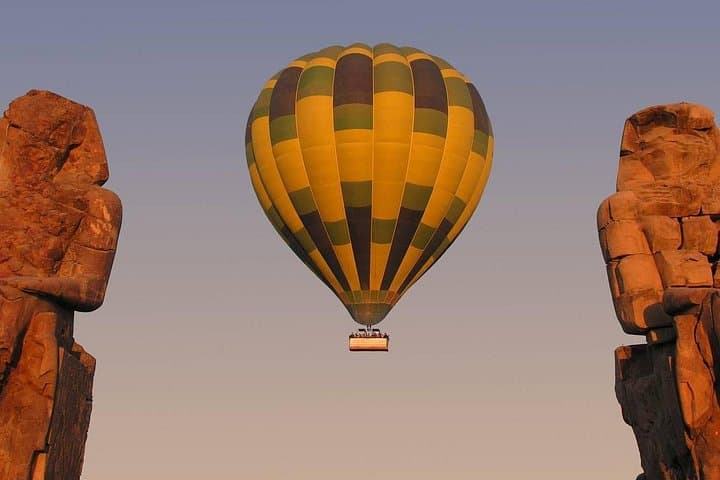
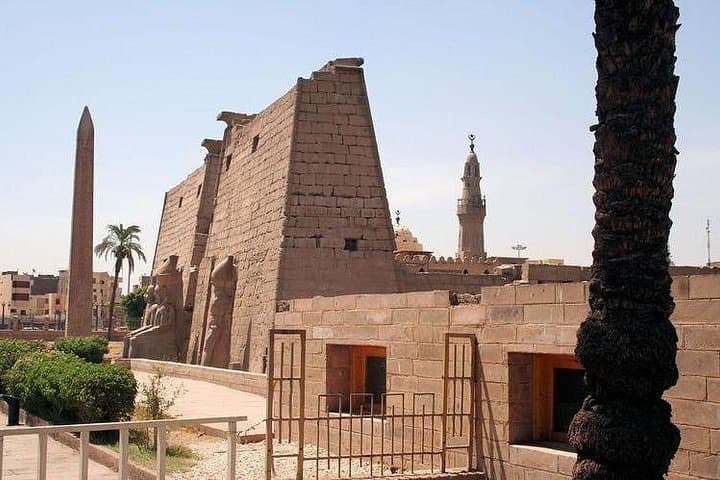
Over five days you move through Egypt’s most concentrated corridor of antiquity—Luxor’s temple fields and the Valley of the Kings, the island temples of Aswan, the twin colossi, and the southern spectacle of Abu Simbel—while mornings can begin with a hot-air balloon drifting over the East Bank.
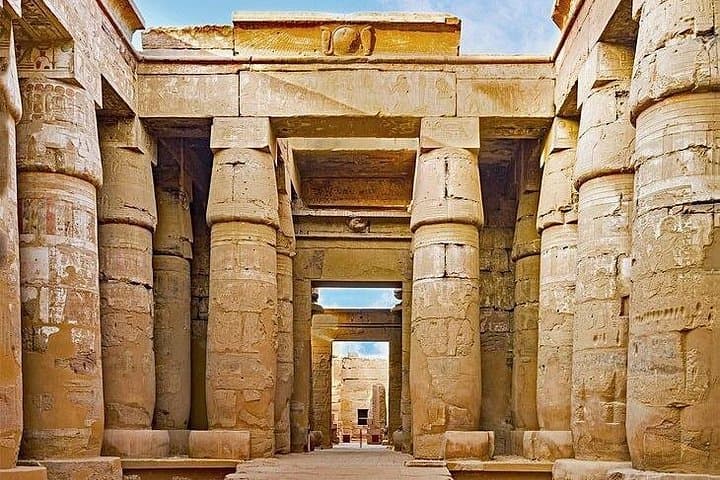
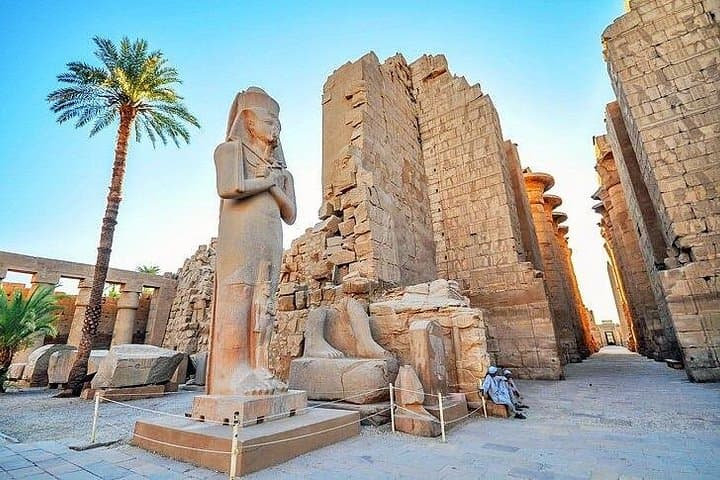
This stretch of the Nile traces millennia: Pharaonic funerary cities built into limestone escarpments, Aswan’s pink granite quarries, and the modern imprint of the High Dam. Cultural layers are visible—ancient rituals at Karnak, Nubian communities around Aswan, and Ottoman- and Coptic-era marketplaces in the cities you pass.
Practical guidance: flights from Cairo to Luxor connect the itinerary; expect early wake-ups (balloon ops and Abu Simbel transfers start pre-dawn). Comfortable walking shoes and sun protection matter—the temple complexes are exposed stone and heat-reflective pavement. The cruise provides full board on a five-star vessel and an Egyptologist guide; bring local cash for small purchases and gratuities, and keep copies of your passport. Mobility is generally manageable—many sites have steps and uneven surfaces but the operator lists wheelchair access.
Pace your days: tours run in concentrated blocks with quiet cruising between stops, giving time to read the river, scan riverbanks for birds, and watch the light change on monuments first seen in textbooks but far more immediate in person.
easy.
5 days.
Minimal sustained fitness required—able-bodied visitors can participate comfortably but must handle short steep flights of steps and walking on uneven ground.
Most nationalities require a visa; check Egypt’s visa rules before travel—many visitors can obtain an e-visa or visa on arrival depending on nationality.
Operators often set age and health restrictions—children under a certain age or people with mobility or heart issues should check requirements in advance.
The itinerary lists flights Cairo–Luxor, 4 nights’ accommodation on a five-star Nile cruise, guided tours, meals, and specific temple admissions as noted—confirm exact inclusions with the operator.
Visits involve walking on uneven stone, stairs, and exposed areas; the tour is suitable for most fitness levels but not for travelers needing full step-free access at every site.
This corridor contains Thebes—the political and religious center of New Kingdom Egypt—and monuments that date from the 18th–20th dynasties through Roman and later periods.
High visitor numbers and exposure threaten painted reliefs; follow guides’ instructions, avoid touching surfaces, and support local conservation fees when offered.
Best Of Egypt Tours operates guided outdoor trips and adventures with an emphasis on safety, stewardship, and memorable experiences.
Dawn slides along the Nile like a quiet promise: palms silhouette against gold water, the cruise’s deck steaming with early tea as the boat slips past fields and desert cliffs.
Dawn slides along the Nile like a quiet promise: palms silhouette against gold water, the cruise’s deck steaming with early tea as the boat slips past fields and desert cliffs.
Over five days you move through Egypt’s most concentrated corridor of antiquity—Luxor’s temple fields and the Valley of the Kings, the island temples of Aswan, the twin colossi, and the southern spectacle of Abu Simbel—while mornings can begin with a hot-air balloon drifting over the East Bank.
This stretch of the Nile traces millennia: Pharaonic funerary cities built into limestone escarpments, Aswan’s pink granite quarries, and the modern imprint of the High Dam. Cultural layers are visible—ancient rituals at Karnak, Nubian communities around Aswan, and Ottoman- and Coptic-era marketplaces in the cities you pass.
Practical guidance: flights from Cairo to Luxor connect the itinerary; expect early wake-ups (balloon ops and Abu Simbel transfers start pre-dawn). Comfortable walking shoes and sun protection matter—the temple complexes are exposed stone and heat-reflective pavement. The cruise provides full board on a five-star vessel and an Egyptologist guide; bring local cash for small purchases and gratuities, and keep copies of your passport. Mobility is generally manageable—many sites have steps and uneven surfaces but the operator lists wheelchair access.
Pace your days: tours run in concentrated blocks with quiet cruising between stops, giving time to read the river, scan riverbanks for birds, and watch the light change on monuments first seen in textbooks but far more immediate in person.