THE ADVENTURE COLLECTIVE® · Independent discovery and booking for outdoor travel

Slide down the Nile on a three-night cruise from Aswan to Luxor, visiting Abu Simbel, Kom Ombo, Edfu and Luxor’s temples with an Egyptology guide. Early starts, a sunrise balloon and temple-side walks make this a compact Upper Egypt sampler.
Slide down the Nile on a three-night cruise from Aswan to Luxor, visiting Abu Simbel, Kom Ombo, Edfu and Luxor’s temples with an Egyptology guide. Early starts, a sunrise balloon and temple-side walks make this a compact Upper Egypt sampler.
Dawn lifts like a slow curtain over the Nile as your cruise slips away from Aswan — gentle wake, cool air, and silhouettes of palm-fringed islands. On deck you can feel the river pushing forward; motorboats and feluccas thread the water beside the larger cruise hull. Over three nights the trip trades quiet river miles for the carved faces of pharaohs and the hush of tomb corridors.
Verified experiences and guided adventures in the surrounding area.
Operated by Best Of Egypt Tours · Aswan, Aswan Governorate
Dawn lifts like a slow curtain over the Nile as your cruise slips away from Aswan — gentle wake, cool air, and silhouettes of palm-fringed islands. On deck you can feel the river pushing forward; motorboats and feluccas thread the water beside the larger cruise hull. Over three nights the trip trades quiet river miles for the carved faces of pharaohs and the hush of tomb corridors.
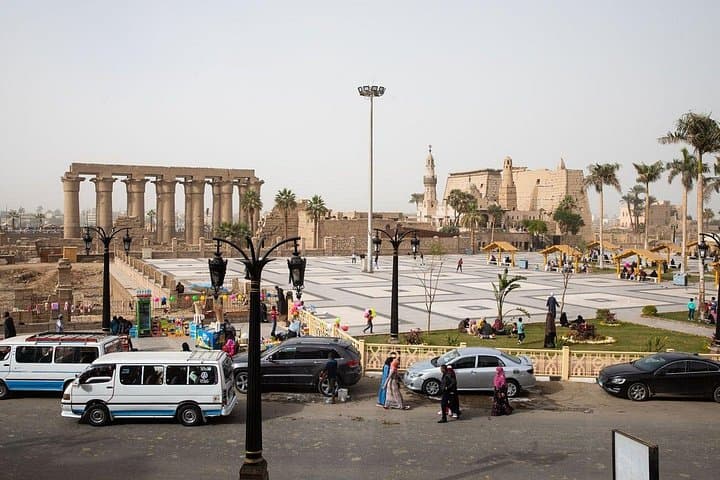
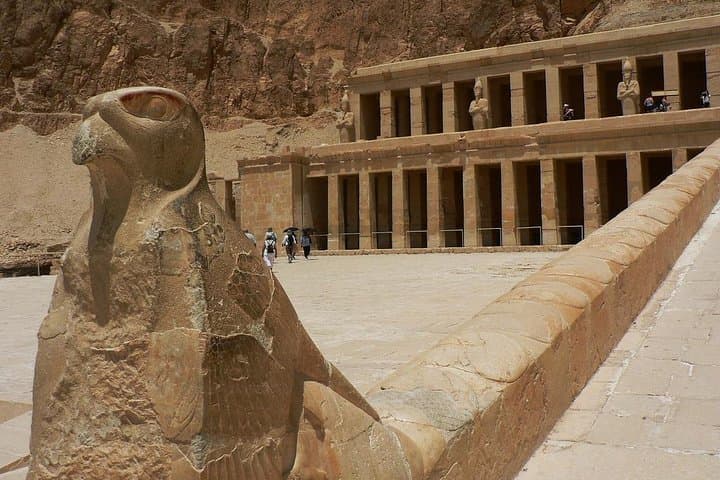
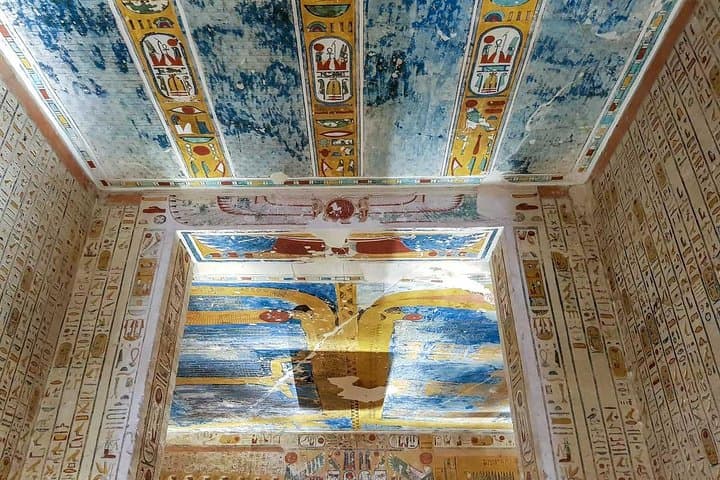
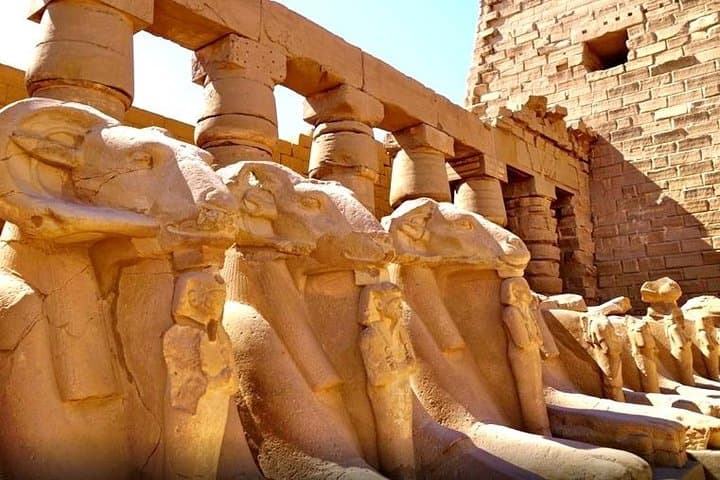
The route maps Upper Egypt: Philae and the monumental High Dam in Aswan, the relocated twin temples of Abu Simbel, the dual-worship Kom Ombo, the well-preserved Ptolemaic temple at Edfu, and Luxor’s sprawling Karnak and Valley of the Kings. Geologically this landscape sits on Nile-alluvial deposits over older sandstone and limestone where ancient builders cut their monuments. Culturally you’ll encounter Nubian markets in Aswan and modern town life in Luxor; an Egyptology guide frames the sites with 3,500 years of history and the 20th-century engineering that created Lake Nasser.
Practical guidance: plan early starts—sunrise balloon flights and temple visits begin before heat peaks. Wear sturdy, closed-toe shoes for uneven temple surfaces and bring layered sun protection; shade is rare at open sites. Hydrate constantly and carry local cash for tips and small purchases. Mobility is generally easy on-board, but expect steps when boarding tenders and at some sites. Balance your mornings between guided tours and slow river time—sitting on deck at dusk is the best way to read the Nile’s slow rhythm and plan the next day’s exploration.
moderate.
4 days.
Suitable for travelers with basic stamina: expect walking on uneven ground, short climbs of temple steps, and early starts; not suitable for those unable to walk short distances.
The tour lists an Egyptology guide and states “All sites mentioned in itinerary” are included; confirm specific admission charges at booking.
A hot-air balloon is included in the itinerary; flights are operated early morning and are generally safe under local regulation but can be canceled for adverse weather.
Carry Egyptian pounds for local purchases and small tips; tipping guides and crew is customary — prepare small notes for daily gratuities.
The listing notes wheelchair-accessible transfer options and surfaces on board, but some archaeological sites have uneven steps and limited ramp access—check specifics if mobility is restricted.
Upper Egypt’s temple corridor reflects millennia of pharaonic construction; Abu Simbel was famously relocated in the 1960s to save it from flooding after the High Dam created Lake Nasser.
Tourism pressure is managed by site limits and conservation teams; minimize impact by not touching reliefs, staying on paths, and supporting licensed local guides.
Best Of Egypt Tours operates guided outdoor trips and adventures with an emphasis on safety, stewardship, and memorable experiences.
Dawn lifts like a slow curtain over the Nile as your cruise slips away from Aswan — gentle wake, cool air, and silhouettes of palm-fringed islands. On deck you can feel the river pushing forward; motorboats and feluccas thread the water beside the larger cruise hull. Over three nights the trip trades quiet river miles for the carved faces of pharaohs and the hush of tomb corridors.
Dawn lifts like a slow curtain over the Nile as your cruise slips away from Aswan — gentle wake, cool air, and silhouettes of palm-fringed islands. On deck you can feel the river pushing forward; motorboats and feluccas thread the water beside the larger cruise hull. Over three nights the trip trades quiet river miles for the carved faces of pharaohs and the hush of tomb corridors.
The route maps Upper Egypt: Philae and the monumental High Dam in Aswan, the relocated twin temples of Abu Simbel, the dual-worship Kom Ombo, the well-preserved Ptolemaic temple at Edfu, and Luxor’s sprawling Karnak and Valley of the Kings. Geologically this landscape sits on Nile-alluvial deposits over older sandstone and limestone where ancient builders cut their monuments. Culturally you’ll encounter Nubian markets in Aswan and modern town life in Luxor; an Egyptology guide frames the sites with 3,500 years of history and the 20th-century engineering that created Lake Nasser.
Practical guidance: plan early starts—sunrise balloon flights and temple visits begin before heat peaks. Wear sturdy, closed-toe shoes for uneven temple surfaces and bring layered sun protection; shade is rare at open sites. Hydrate constantly and carry local cash for tips and small purchases. Mobility is generally easy on-board, but expect steps when boarding tenders and at some sites. Balance your mornings between guided tours and slow river time—sitting on deck at dusk is the best way to read the Nile’s slow rhythm and plan the next day’s exploration.