THE ADVENTURE COLLECTIVE® · Independent discovery and booking for outdoor travel

A four-day Nile cruise from Aswan to Luxor (with an optional Abu Simbel day) pairs comfortable onboard life with dawn-and-dusk visits to Egypt’s most iconic temples. Glide past river villages, explore Philae and Karnak, and consider an early start for Abu Simbel’s colossal facades.
A four-day Nile cruise from Aswan to Luxor (with an optional Abu Simbel day) pairs comfortable onboard life with dawn-and-dusk visits to Egypt’s most iconic temples. Glide past river villages, explore Philae and Karnak, and consider an early start for Abu Simbel’s colossal facades.
You wake before dawn in Aswan, the Nile a slow, cool current pushing your cruise ship away from the quay as fishermen haul nets and the sun outlines temple cornices.
Verified experiences and guided adventures in the surrounding area.
Operated by Etro tours · Aswan, Aswan Governorate
You wake before dawn in Aswan, the Nile a slow, cool current pushing your cruise ship away from the quay as fishermen haul nets and the sun outlines temple cornices.
Over four days the river becomes a moving window: the Aswan High Dam’s concrete sweep; Philae’s island temple reached by motorboat; sun-baked sandstone pylons at Kom Ombo and Edfu; and finally Luxor’s Karnak and the Valley of the Kings. If you add Abu Simbel, you’ll rise very early to reach Ramses II’s colossal rock-cut facades—imposing monuments that were painstakingly relocated in the 1960s to escape the reservoir.
Geology and history are on display: the Nile’s sedimentary banks supported pharaonic civilization, its predictable flood cycles allowing monumental stone work and agricultural surplus. Culture here is river-centered—Nubian villages, date palm groves, and the small markets that supply ships. Birds and river life animate the shorelines as you glide past mudbrick villages and ancient quarries.
Practical notes: expect included meals and transfers on a 5-star deluxe ship but check which entrance fees or optional excursions (Abu Simbel, hot-air balloon) are extra. Temperatures can spike—daytime sun is relentless—so plan light, breathable layers, closed-toe walking shoes for uneven temple steps, and a refillable water bottle. Morning and late-afternoon tours are cooler and give the best light for photography. Accessibility is generally good aboard the ship, but some archaeological sites have steps and narrow passages. Bring local currency for tips and small purchases, and allow an easy pace—this cruise trades rapid transit for a slow, storied passage down one of the world’s oldest highways.
easy.
4 days.
Suitable for travelers in average mobility; requires short walks, boarding small boats, and climbing some steps at monuments.
Some entrance fees and optional excursions (like Abu Simbel or hot-air balloon) are often extra—confirm what’s covered when booking.
The cruise and transfers advertise wheelchair accessibility, but many archaeological sites have steps and uneven terrain—advance requests help but on-site assistance can be limited.
Tipping is customary for guides, drivers, and ship staff; carry small local currency to tip after individual services rather than one bulk tip.
Early morning and late afternoon offer cooler temperatures and softer light for photos; mid-day can be very hot and bright.
The modern itinerary traces millennia of riverine civilization; notable engineering includes the Aswan High Dam and the 1960s relocation of Abu Simbel temples to save them from Lake Nasser.
High visitor numbers put pressure on fragile sites; follow designated paths, avoid touching reliefs, and use local guides to limit impact.
Etro tours operates guided outdoor trips and adventures with an emphasis on safety, stewardship, and memorable experiences.
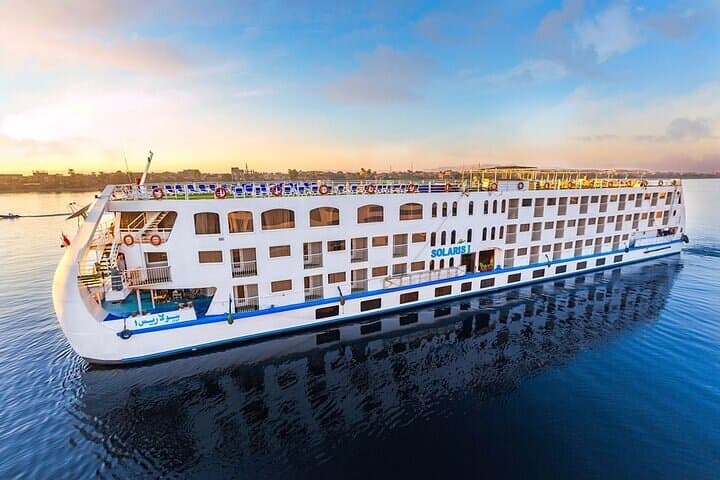
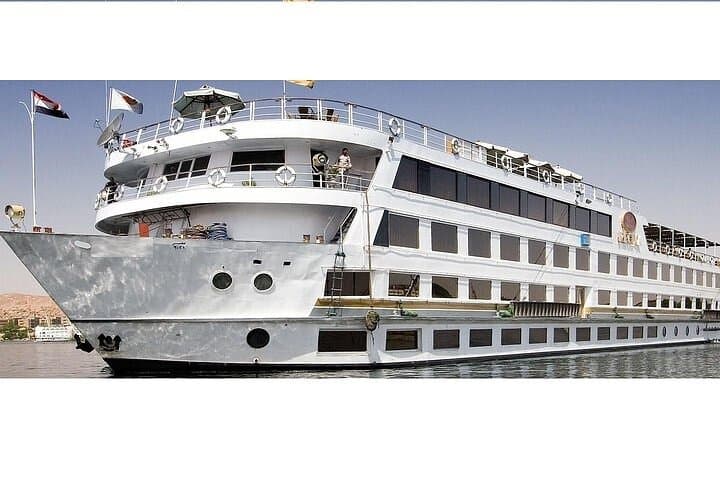
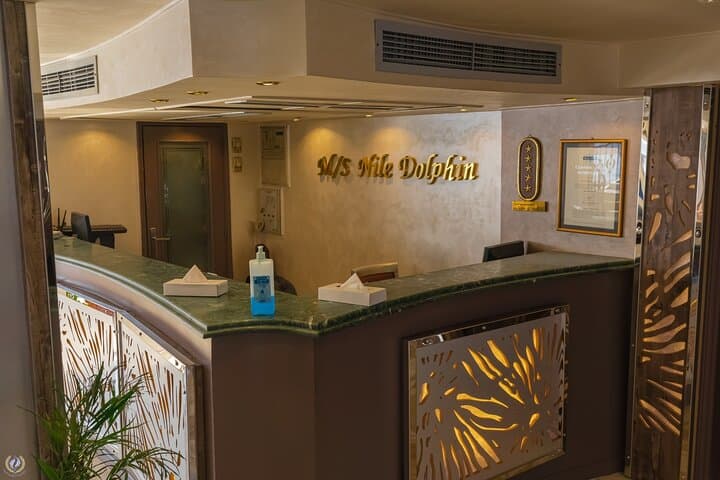
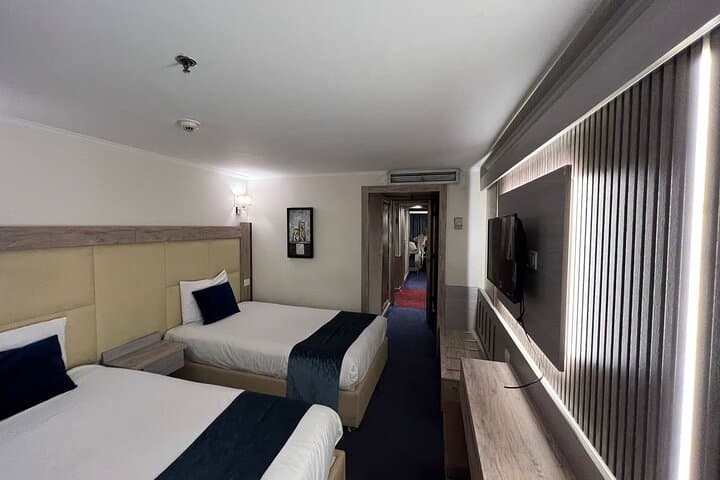
You wake before dawn in Aswan, the Nile a slow, cool current pushing your cruise ship away from the quay as fishermen haul nets and the sun outlines temple cornices.
You wake before dawn in Aswan, the Nile a slow, cool current pushing your cruise ship away from the quay as fishermen haul nets and the sun outlines temple cornices.
Over four days the river becomes a moving window: the Aswan High Dam’s concrete sweep; Philae’s island temple reached by motorboat; sun-baked sandstone pylons at Kom Ombo and Edfu; and finally Luxor’s Karnak and the Valley of the Kings. If you add Abu Simbel, you’ll rise very early to reach Ramses II’s colossal rock-cut facades—imposing monuments that were painstakingly relocated in the 1960s to escape the reservoir.
Geology and history are on display: the Nile’s sedimentary banks supported pharaonic civilization, its predictable flood cycles allowing monumental stone work and agricultural surplus. Culture here is river-centered—Nubian villages, date palm groves, and the small markets that supply ships. Birds and river life animate the shorelines as you glide past mudbrick villages and ancient quarries.
Practical notes: expect included meals and transfers on a 5-star deluxe ship but check which entrance fees or optional excursions (Abu Simbel, hot-air balloon) are extra. Temperatures can spike—daytime sun is relentless—so plan light, breathable layers, closed-toe walking shoes for uneven temple steps, and a refillable water bottle. Morning and late-afternoon tours are cooler and give the best light for photography. Accessibility is generally good aboard the ship, but some archaeological sites have steps and narrow passages. Bring local currency for tips and small purchases, and allow an easy pace—this cruise trades rapid transit for a slow, storied passage down one of the world’s oldest highways.