THE ADVENTURE COLLECTIVE® · Independent discovery and booking for outdoor travel

Small-boat fun dives from Nilaveli take certified divers to Pigeon Island and nearby reefs for coral gardens, turtles, reef sharks and occasional pelagics. Learn what to expect from the boats, currents, and practical logistics before you go.
Small-boat fun dives from Nilaveli take certified divers to Pigeon Island and nearby reefs for coral gardens, turtles, reef sharks and occasional pelagics. Learn what to expect from the boats, currents, and practical logistics before you go.
The boat slips away from Nilaveli before dawn, the sea pushing cool air across your mask as the shoreline shrinks into a low, rocky silhouette.
Verified experiences and guided adventures in the surrounding area.
Operated by Divinguru Sri Lanka · Nilaveli, Eastern Province
The boat slips away from Nilaveli before dawn, the sea pushing cool air across your mask as the shoreline shrinks into a low, rocky silhouette.
Below, shallow coral gardens and steep rock ledges wait: bright hard corals, waving soft corals and schools of fusiliers that scatter like bright punctuation when a turtle glides by. This is Pigeon Island and nearby reef sites off Trincomalee — classic Indian Ocean diving where visibility can climb and encounters with blacktip reef sharks and eagle rays play out across the reef slope.
The reefs here sit on an older band of coastal limestone and mixed volcanic debris; currents shape coral growth and create channels where pelagics patrol in season. Local fishing communities around Nilaveli and Trincomalee have depended on these waters for generations, and the area is part of a marine park with entrance fees for visitors.
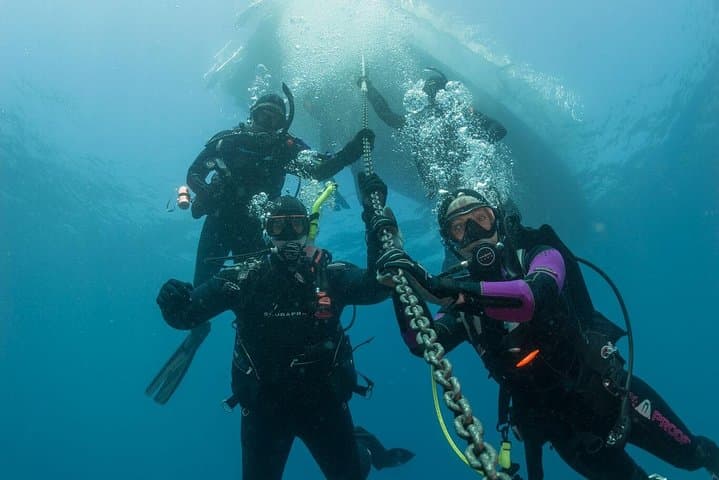
Practically: trips run morning and afternoon, with one- or two-dive options from small boats (max five divers). Expect surface intervals on the boat, 12L aluminum tanks (INT & DIN), and free Nitrox from the centre.
Plan your day around tides and wind: morning dives are calmer and warmer; afternoons can bring more current. Bring your certification card, a well-fitting mask and reef-safe sunscreen, and brief the guide on any recent dive history.
Conserve the scene—no touching coral, and maintain good buoyancy to protect fragile growths. With responsible practices, these fun dives deliver accessible reef exploration and dependable wildlife sightings for certified divers.
moderate.
3–6 hours.
Moderate fitness; able to perform basic scuba tasks, swim comfortably, and carry equipment up ladders.
Yes. These are for certified divers only; you must show your dive card and provide recent dive history if requested.
Common sightings include sea turtles, blacktip reef sharks, eagle rays, cuttlefish and abundant reef fishes; larger pelagics like whale sharks or mantas are possible but rare in April–June.
Yes. The diving centre supplies Nitrox free of charge for qualified Nitrox divers—declare your certification during booking.
Yes. Pigeon Island Marine Park charges an entrance fee (around €15) paid locally; the center will advise which dive sites incur this fee.
Local Tamil and Sinhalese fishing villages have long harvested these waters; the reefs now fall under marine protection to balance tourism and fisheries.
Coral health is vulnerable to bleaching and mechanical damage—honor no‑touch rules, use reef‑safe sunscreen, and follow guide instructions to minimize impact.
Divinguru Sri Lanka operates guided outdoor trips and adventures with an emphasis on safety, stewardship, and memorable experiences.


The boat slips away from Nilaveli before dawn, the sea pushing cool air across your mask as the shoreline shrinks into a low, rocky silhouette.
The boat slips away from Nilaveli before dawn, the sea pushing cool air across your mask as the shoreline shrinks into a low, rocky silhouette.
Below, shallow coral gardens and steep rock ledges wait: bright hard corals, waving soft corals and schools of fusiliers that scatter like bright punctuation when a turtle glides by. This is Pigeon Island and nearby reef sites off Trincomalee — classic Indian Ocean diving where visibility can climb and encounters with blacktip reef sharks and eagle rays play out across the reef slope.
The reefs here sit on an older band of coastal limestone and mixed volcanic debris; currents shape coral growth and create channels where pelagics patrol in season. Local fishing communities around Nilaveli and Trincomalee have depended on these waters for generations, and the area is part of a marine park with entrance fees for visitors.
Practically: trips run morning and afternoon, with one- or two-dive options from small boats (max five divers). Expect surface intervals on the boat, 12L aluminum tanks (INT & DIN), and free Nitrox from the centre.
Plan your day around tides and wind: morning dives are calmer and warmer; afternoons can bring more current. Bring your certification card, a well-fitting mask and reef-safe sunscreen, and brief the guide on any recent dive history.
Conserve the scene—no touching coral, and maintain good buoyancy to protect fragile growths. With responsible practices, these fun dives deliver accessible reef exploration and dependable wildlife sightings for certified divers.