THE ADVENTURE COLLECTIVE® · Independent discovery and booking for outdoor travel

A full-day road trip from Tokyo that pairs the ornate splendor of Nikko Toshogu with the playful living-history of Edo Wonderland. Expect cedar avenues, lacquered gates, samurai drills, and hands-on Edo crafts along a ten-hour route.
A full-day road trip from Tokyo that pairs the ornate splendor of Nikko Toshogu with the playful living-history of Edo Wonderland. Expect cedar avenues, lacquered gates, samurai drills, and hands-on Edo crafts along a ten-hour route.
Morning light thins as the highway slips away and the ring of Tokyo gives way to cedar-lined avenues; the trees here feel like patient guardians, shading the approach to Nikko Toshogu. The Yomeimon gate interrupts the forest with lacquered color and carving so dense it seems to breathe history. You move through cedar shade toward the carved “Sleeping Cat” and the famous “Three Wise Monkeys,” each relief a compact lecture in Edo-era worldview.
Verified experiences and guided adventures in the surrounding area.
Operated by MY Travel Consulting · Nikko, Tochigi
Morning light thins as the highway slips away and the ring of Tokyo gives way to cedar-lined avenues; the trees here feel like patient guardians, shading the approach to Nikko Toshogu. The Yomeimon gate interrupts the forest with lacquered color and carving so dense it seems to breathe history. You move through cedar shade toward the carved “Sleeping Cat” and the famous “Three Wise Monkeys,” each relief a compact lecture in Edo-era worldview.
Nikko’s story is political as much as spiritual: Tokugawa Ieyasu’s mausoleum transformed the area into a powerfully symbolic site in the early 17th century, and the ornate shrine complex later joined other temples and shrines as part of a UNESCO cultural landscape. Geology shapes the setting too — the volcanic highlands around Lake Chuzenji and the thunder of nearby Kegon Falls are reminders that this elevated basin was carved by past eruptions and erosion, producing steep valleys and quick weather shifts.
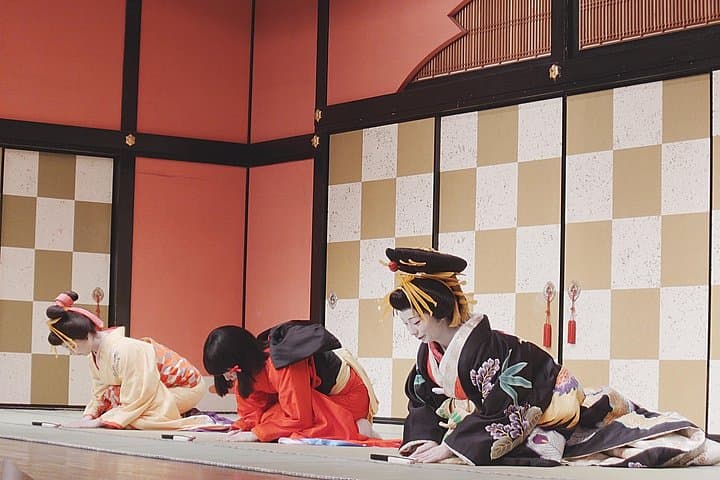
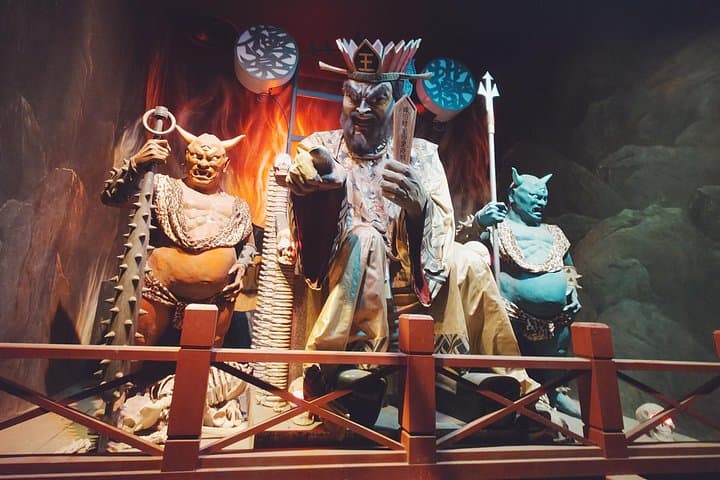
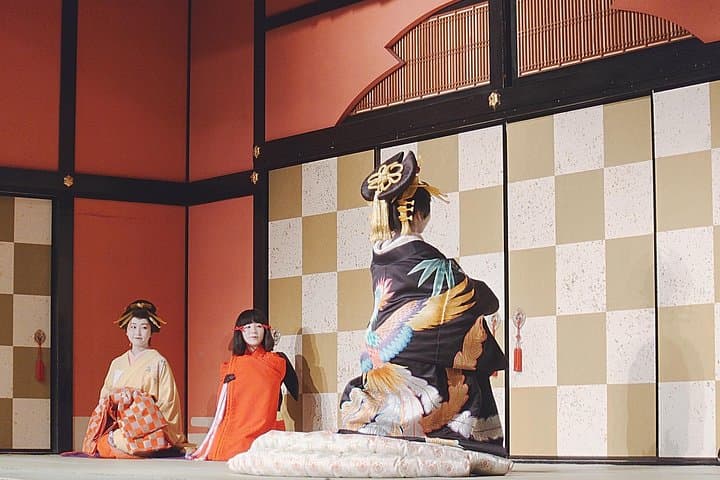
Across a short drive, Edo Wonderland recreates the streets and trades of the Edo period with live samurai and ninja demonstrations, costume rentals, and hands-on workshops like shuriken practice and wagashi making. The contrast is instructive: solemn mausoleum and ritual on one hand, living role-play and craft on the other.
Practical guidance: expect a full 10‑hour day with private transport and hotel pickup; wear sturdy walking shoes, dress in layers for mountain weather, and carry cash for small purchases. Time your visit early to beat the largest tour groups and allow space to absorb both carved panels and the crack of a practice shuriken.
moderate.
10 hours.
Moderate fitness for walking, stairs, and standing for shows; not recommended for those with limited mobility.
According to the itinerary, admissions to Nikko Toshogu and Edo Wonderland are included in the tour price.
Expect roughly 2 to 2.5 hours each way by private vehicle depending on traffic, which is factored into the 10‑hour duration.
Meals are not listed as included—plan to bring snacks or budget for lunch at local restaurants or park eateries.
Some shrine areas have steep steps and uneven ground; parts of Edo Wonderland are stroller-friendly but overall mobility limitations may restrict access to certain sites.
Nikko Toshogu honors Tokugawa Ieyasu and was intentionally ornate to project shogunal authority; the shrine complex grew during the Edo period as a center of political and religious commemoration.
The cedar groves and shrine buildings are actively managed; visitors are asked to stay on designated paths, avoid feeding wildlife, and respect conservation signage to limit erosion and human impact.
MY Travel Consulting operates guided outdoor trips and adventures with an emphasis on safety, stewardship, and memorable experiences.
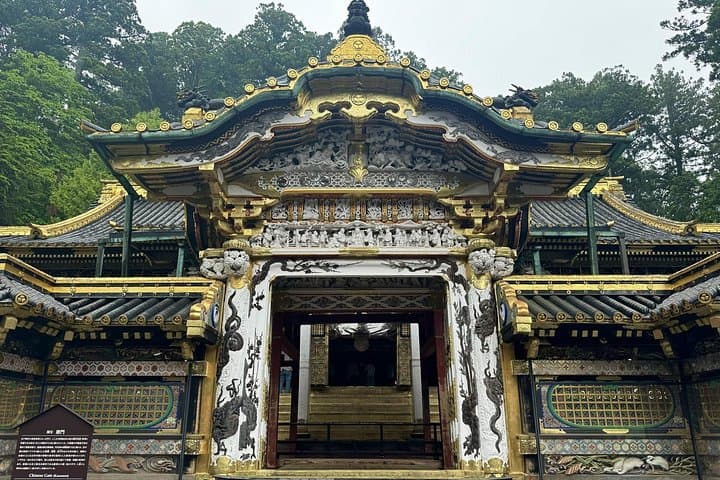
Morning light thins as the highway slips away and the ring of Tokyo gives way to cedar-lined avenues; the trees here feel like patient guardians, shading the approach to Nikko Toshogu. The Yomeimon gate interrupts the forest with lacquered color and carving so dense it seems to breathe history. You move through cedar shade toward the carved “Sleeping Cat” and the famous “Three Wise Monkeys,” each relief a compact lecture in Edo-era worldview.
Morning light thins as the highway slips away and the ring of Tokyo gives way to cedar-lined avenues; the trees here feel like patient guardians, shading the approach to Nikko Toshogu. The Yomeimon gate interrupts the forest with lacquered color and carving so dense it seems to breathe history. You move through cedar shade toward the carved “Sleeping Cat” and the famous “Three Wise Monkeys,” each relief a compact lecture in Edo-era worldview.
Nikko’s story is political as much as spiritual: Tokugawa Ieyasu’s mausoleum transformed the area into a powerfully symbolic site in the early 17th century, and the ornate shrine complex later joined other temples and shrines as part of a UNESCO cultural landscape. Geology shapes the setting too — the volcanic highlands around Lake Chuzenji and the thunder of nearby Kegon Falls are reminders that this elevated basin was carved by past eruptions and erosion, producing steep valleys and quick weather shifts.
Across a short drive, Edo Wonderland recreates the streets and trades of the Edo period with live samurai and ninja demonstrations, costume rentals, and hands-on workshops like shuriken practice and wagashi making. The contrast is instructive: solemn mausoleum and ritual on one hand, living role-play and craft on the other.
Practical guidance: expect a full 10‑hour day with private transport and hotel pickup; wear sturdy walking shoes, dress in layers for mountain weather, and carry cash for small purchases. Time your visit early to beat the largest tour groups and allow space to absorb both carved panels and the crack of a practice shuriken.