THE ADVENTURE COLLECTIVE® · Independent discovery and booking for outdoor travel

Spend a full day exploring Nikko’s cedar-shaded shrines, volcanic Lake Chūzenji and the dramatic Kegon Falls with a private English-speaking guide. This balanced route pairs cultural depth—Tōshō-gū and Tamozawa Villa—with high-mountain panoramas and accessible walks.
Spend a full day exploring Nikko’s cedar-shaded shrines, volcanic Lake Chūzenji and the dramatic Kegon Falls with a private English-speaking guide. This balanced route pairs cultural depth—Tōshō-gū and Tamozawa Villa—with high-mountain panoramas and accessible walks.
You step out of an air-conditioned vehicle into a corridor of towering cedars; the cedar scent hangs like a promise as vermilion Shinkyo Bridge arcs over the Daiya River. The day moves with deliberate variety—ornate shrines, a mountain lake that holds the season’s sky, and a thunderous fall that demands attention.
Verified experiences and guided adventures in the surrounding area.
Operated by Raeez Tours · Nikko, Tochigi Prefecture
You step out of an air-conditioned vehicle into a corridor of towering cedars; the cedar scent hangs like a promise as vermilion Shinkyo Bridge arcs over the Daiya River. The day moves with deliberate variety—ornate shrines, a mountain lake that holds the season’s sky, and a thunderous fall that demands attention.
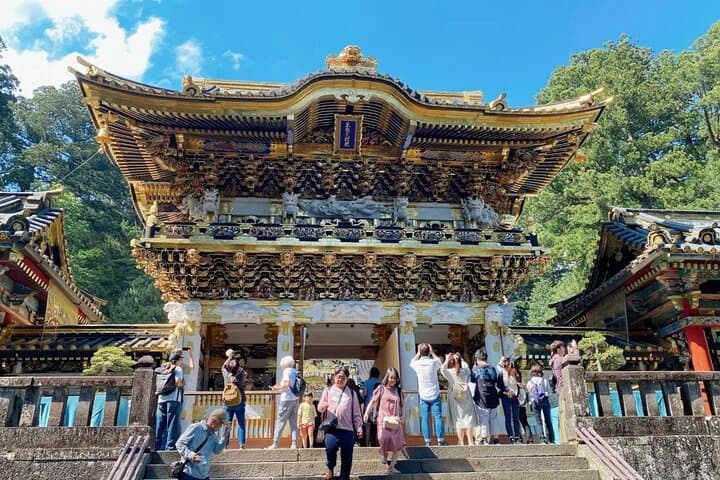
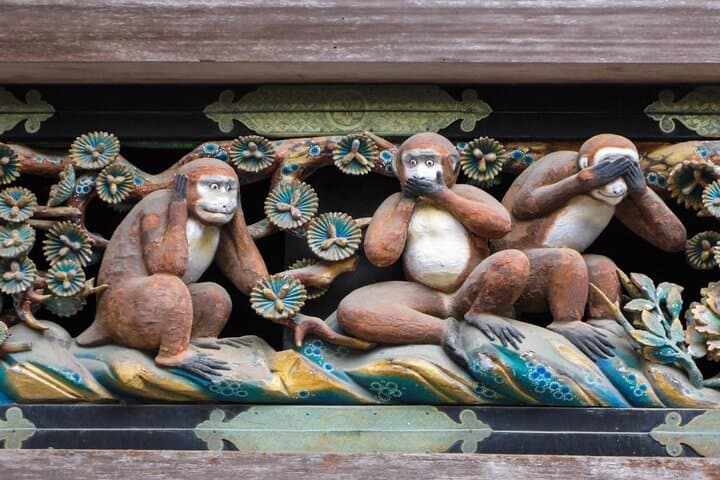
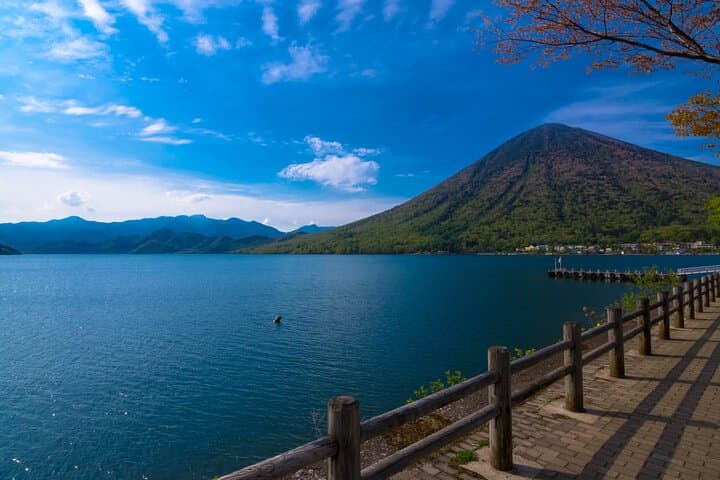
History here is visible: Tōshō-gū commemorates Tokugawa Ieyasu with lacquered gates, carved monkeys and gilt panels that reflect the political and artistic ambitions of the Edo era. Geology explains the region’s drama—Lake Chūzenji filled a caldera tens of thousands of years ago and Kegon Falls pours through hardened volcanic rock, carving a vertical throat that swells in snowmelt and shrinks to a ribbon in late summer. Cultural threads surface at Tamozawa Imperial Villa, where Meiji- and Taishō-era architecture shows how elite life adapted to mountain climates.
Local flavor appears in unexpected corners: rows of Jizo statues along Kanmangafuchi Abyss, a ropeway viewpoint that frames Lake Chūzenji, and a small animal park where trained monkey performances recall older entertainers’ ties to rural festivals.
Practical guidance: this private tour runs about 9–10 hours with mostly short walks and some stairs at shrines and overlooks. Expect paved paths, gravel viewpoints, and a short, steeper descent to the lower Kegon platform if you choose it. Bring layers for rapidly changing mountain weather, cash for small entrance fees or souvenirs, and a camera with a mid-range zoom for details and vistas. Morning light favors the shrines; late afternoon highlights the lakeside and falls. The route balances cultural depth and nature’s force—good planning turns it into a full, walkable day rather than a rush of photo stops.
easy.
9–10 hours.
Suitable for most fitness levels; participants should be comfortable with several short walks and some stairs.
The tour runs about 9–10 hours (540–600 minutes) with a relaxed pace—the guide handles logistics while you do short walks at each stop.
Some historic sites like Tōshō-gū and Tamozawa Villa have admission fees that may or may not be included; confirm at booking with the operator.
The itinerary is family-friendly; some areas have steps where strollers are less practical, but most sights are accessible with short walks.
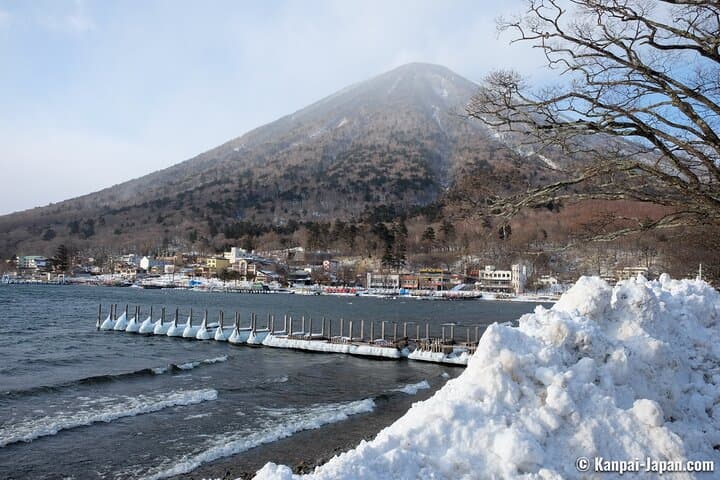
Spring for blossoms and fall for peak foliage are most popular; summer is green and cool, winter offers partial freezing at Kegon Falls but colder conditions.
Nikkō’s sacred complex grew under Tokugawa patronage in the 17th century; Tōshō-gū became both a religious center and a display of shogunal power.
Nikkō National Park emphasizes trail preservation and limits on development—stay on paths, avoid feeding wildlife, and pack out trash to protect fragile alpine and lakeshore ecosystems.
Raeez Tours operates guided outdoor trips and adventures with an emphasis on safety, stewardship, and memorable experiences.
You step out of an air-conditioned vehicle into a corridor of towering cedars; the cedar scent hangs like a promise as vermilion Shinkyo Bridge arcs over the Daiya River. The day moves with deliberate variety—ornate shrines, a mountain lake that holds the season’s sky, and a thunderous fall that demands attention.
You step out of an air-conditioned vehicle into a corridor of towering cedars; the cedar scent hangs like a promise as vermilion Shinkyo Bridge arcs over the Daiya River. The day moves with deliberate variety—ornate shrines, a mountain lake that holds the season’s sky, and a thunderous fall that demands attention.
History here is visible: Tōshō-gū commemorates Tokugawa Ieyasu with lacquered gates, carved monkeys and gilt panels that reflect the political and artistic ambitions of the Edo era. Geology explains the region’s drama—Lake Chūzenji filled a caldera tens of thousands of years ago and Kegon Falls pours through hardened volcanic rock, carving a vertical throat that swells in snowmelt and shrinks to a ribbon in late summer. Cultural threads surface at Tamozawa Imperial Villa, where Meiji- and Taishō-era architecture shows how elite life adapted to mountain climates.
Local flavor appears in unexpected corners: rows of Jizo statues along Kanmangafuchi Abyss, a ropeway viewpoint that frames Lake Chūzenji, and a small animal park where trained monkey performances recall older entertainers’ ties to rural festivals.
Practical guidance: this private tour runs about 9–10 hours with mostly short walks and some stairs at shrines and overlooks. Expect paved paths, gravel viewpoints, and a short, steeper descent to the lower Kegon platform if you choose it. Bring layers for rapidly changing mountain weather, cash for small entrance fees or souvenirs, and a camera with a mid-range zoom for details and vistas. Morning light favors the shrines; late afternoon highlights the lakeside and falls. The route balances cultural depth and nature’s force—good planning turns it into a full, walkable day rather than a rush of photo stops.