THE ADVENTURE COLLECTIVE® · Independent discovery and booking for outdoor travel

Spend a full day from Tokyo exploring Nikko’s UNESCO shrines, volcanic landscapes and falls with a private guide. This 9–10 hour tour pairs history and geology with seamless transport and insider access.
Spend a full day from Tokyo exploring Nikko’s UNESCO shrines, volcanic landscapes and falls with a private guide. This 9–10 hour tour pairs history and geology with seamless transport and insider access.
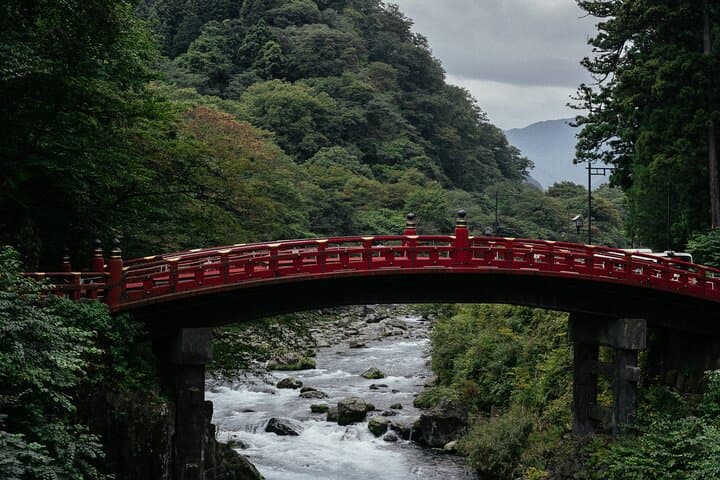
A pre-dawn van eases out of Tokyo and the city’s hum slips away; by mid-morning you’re under towering cedar pillars and across a lacquered bridge that dares the current of the Daiya River. The scent of damp moss and incense follows the path to shrine gates carved and coloured in a style that stopped evolving centuries ago.
Verified experiences and guided adventures in the surrounding area.
Operated by Sakura Travel · Nikko, Tochigi
A pre-dawn van eases out of Tokyo and the city’s hum slips away; by mid-morning you’re under towering cedar pillars and across a lacquered bridge that dares the current of the Daiya River. The scent of damp moss and incense follows the path to shrine gates carved and coloured in a style that stopped evolving centuries ago.
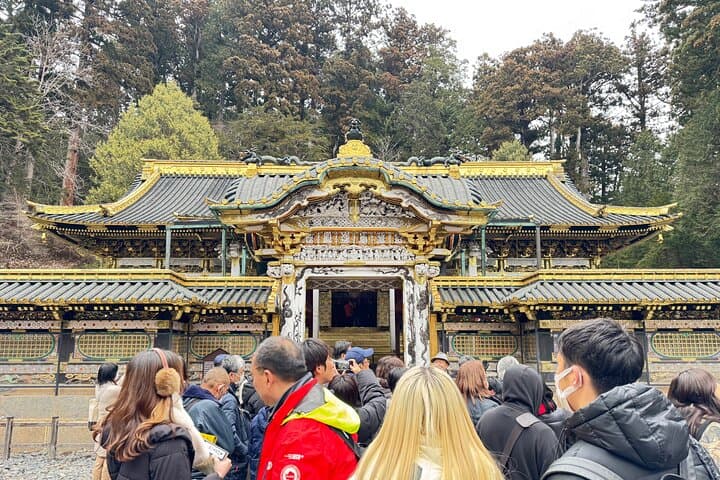
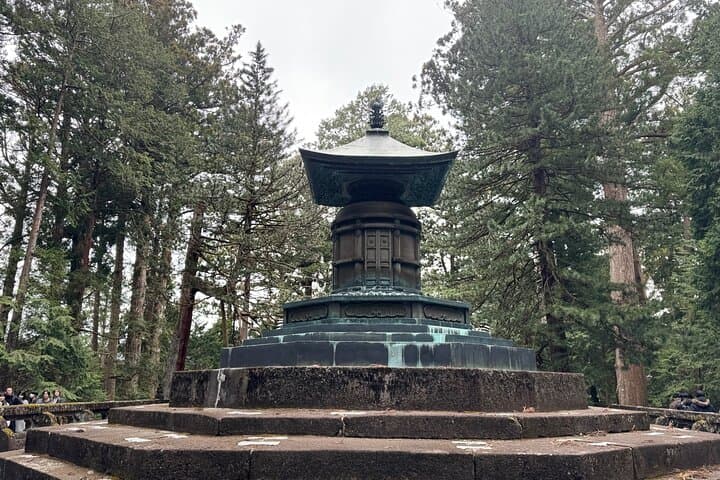
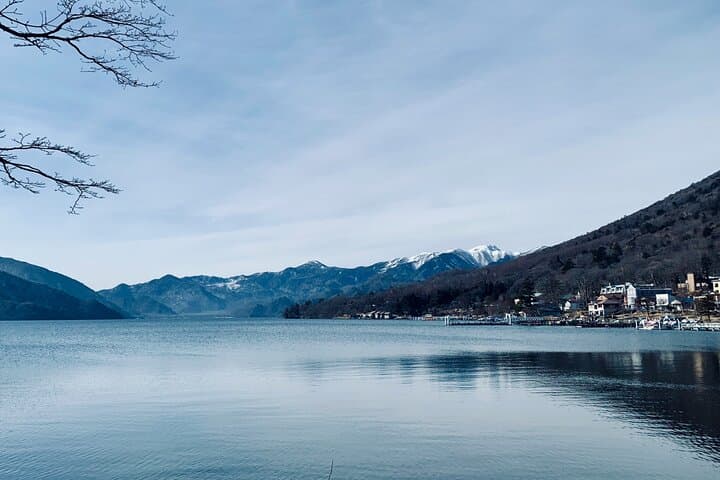
Nikko’s highlights read like chapters in Japan’s history: Toshogu, where Tokugawa Ieyasu is enshrined and 17th‑century craftsmen layered lacquer and gold to project power; Rinnoji, with its gold‑lacquered Kannon statues linked to mountain deities; and the volcanic backbone—Mt. Nantai and the lakes and falls born from ancient eruptions. The national park around Lake Chuzenji and Kegon Falls shows geology at work: waterfalls plummet through weathered basalt, valleys hold mist that breeds moss and onsen springs.
Culturally, Nikko was a political stage and a spiritual doorway—pilgrims and daimyo once traced these routes. Today a private guide threads history, local lore and practical logistics into one seamless day, from Shinkyo Bridge to the quieter Kanmangafuchi Abyss.
Practical edge: expect 9–10 hours with moderate walking, many stone steps and short trails; bring small change for shrine fees and onsen shops, and wear sturdy shoes and layered clothing—the temperature can drop near the lake and rises in town. Start early to beat the crowds, keep voices low at sacred sites, and follow your guide’s timing to fit in viewpoints like Akechidaira and Kegon’s observation lift. The result is a compact, well‑paced encounter with Nikko’s temples, geology and green spaces—immediate, tactile, and easy to navigate from Tokyo.
easy.
9–10 hours.
Light to moderate walking ability; should be comfortable on stairs and short uneven trails.
Yes—private luxury transportation and hotel pickup/drop‑off in central Tokyo are included.
Most temple and garden admissions are not included; bring small change for entrance fees and optional lifts like the Kegon observation lift.
The tour is labeled physically easy and accepts infants, but it involves stairs and standing; inform the operator about mobility needs when booking.
Yes—this private tour is flexible and the guide can tailor stops, but some sites have fixed access hours and seasonal constraints.
Nikko became a political and spiritual center when Tokugawa Ieyasu was enshrined in the 17th century; many buildings reflect Edo‑period patronage and craftsmanship.
Nikko National Park is managed to protect fragile alpine wetlands and waterways—stick to trails, carry out waste, and avoid feeding wildlife.
Sakura Travel operates guided outdoor trips and adventures with an emphasis on safety, stewardship, and memorable experiences.
A pre-dawn van eases out of Tokyo and the city’s hum slips away; by mid-morning you’re under towering cedar pillars and across a lacquered bridge that dares the current of the Daiya River. The scent of damp moss and incense follows the path to shrine gates carved and coloured in a style that stopped evolving centuries ago.
A pre-dawn van eases out of Tokyo and the city’s hum slips away; by mid-morning you’re under towering cedar pillars and across a lacquered bridge that dares the current of the Daiya River. The scent of damp moss and incense follows the path to shrine gates carved and coloured in a style that stopped evolving centuries ago.
Nikko’s highlights read like chapters in Japan’s history: Toshogu, where Tokugawa Ieyasu is enshrined and 17th‑century craftsmen layered lacquer and gold to project power; Rinnoji, with its gold‑lacquered Kannon statues linked to mountain deities; and the volcanic backbone—Mt. Nantai and the lakes and falls born from ancient eruptions. The national park around Lake Chuzenji and Kegon Falls shows geology at work: waterfalls plummet through weathered basalt, valleys hold mist that breeds moss and onsen springs.
Culturally, Nikko was a political stage and a spiritual doorway—pilgrims and daimyo once traced these routes. Today a private guide threads history, local lore and practical logistics into one seamless day, from Shinkyo Bridge to the quieter Kanmangafuchi Abyss.
Practical edge: expect 9–10 hours with moderate walking, many stone steps and short trails; bring small change for shrine fees and onsen shops, and wear sturdy shoes and layered clothing—the temperature can drop near the lake and rises in town. Start early to beat the crowds, keep voices low at sacred sites, and follow your guide’s timing to fit in viewpoints like Akechidaira and Kegon’s observation lift. The result is a compact, well‑paced encounter with Nikko’s temples, geology and green spaces—immediate, tactile, and easy to navigate from Tokyo.