THE ADVENTURE COLLECTIVE® · Independent discovery and booking for outdoor travel

Walk from JR Nikko Station with a local guide to the ornate Toshogu Shrine and the quiet Jizo-lined Kammangafuchi path. This private, 6-hour cultural walk blends Edo history, intricate wood carving, and riverside calm.
Walk from JR Nikko Station with a local guide to the ornate Toshogu Shrine and the quiet Jizo-lined Kammangafuchi path. This private, 6-hour cultural walk blends Edo history, intricate wood carving, and riverside calm.
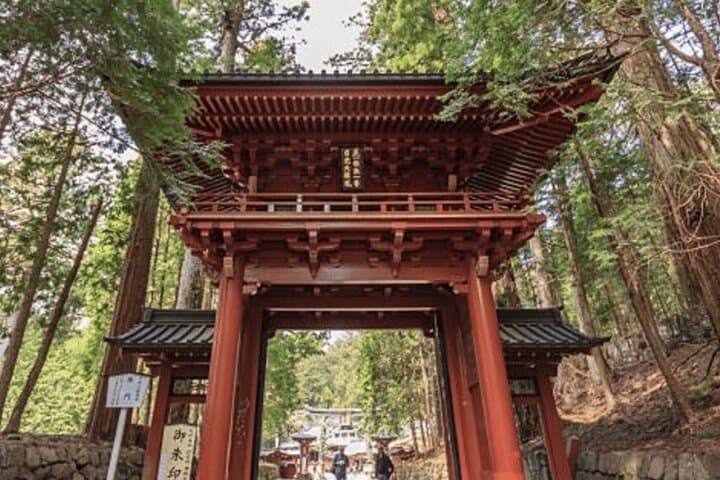
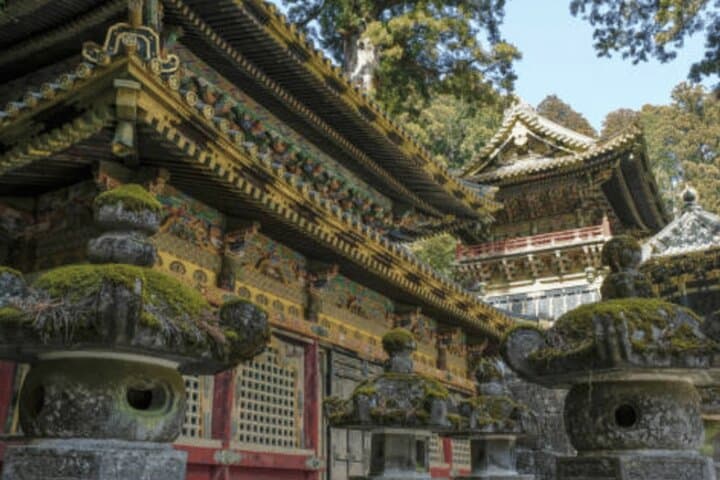
You step off the train at JR Nikko Station and the air changes — cedar trunks rise like quiet guards and the nearby river dares you toward the shrine. The guide leads at a steady pace; stone lanterns, moss, and a carpet of cedar needles set the rhythm as you walk toward Nikko Toshogu.
Verified experiences and guided adventures in the surrounding area.
Operated by Travel Japan Together Tokyo · Nikko, Tochigi
You step off the train at JR Nikko Station and the air changes — cedar trunks rise like quiet guards and the nearby river dares you toward the shrine. The guide leads at a steady pace; stone lanterns, moss, and a carpet of cedar needles set the rhythm as you walk toward Nikko Toshogu.
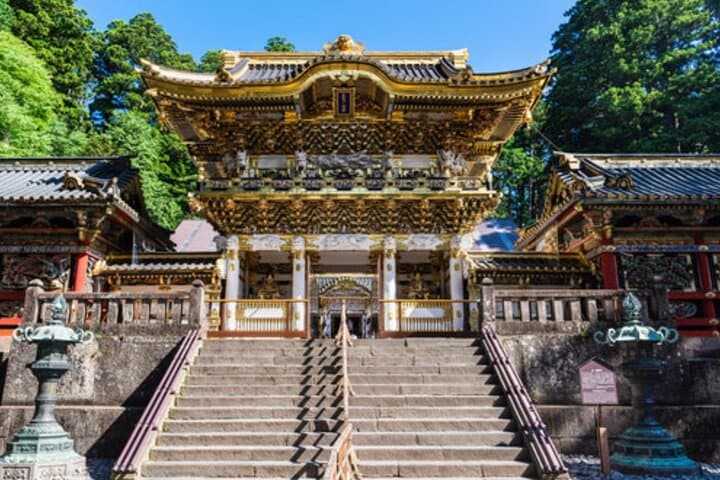
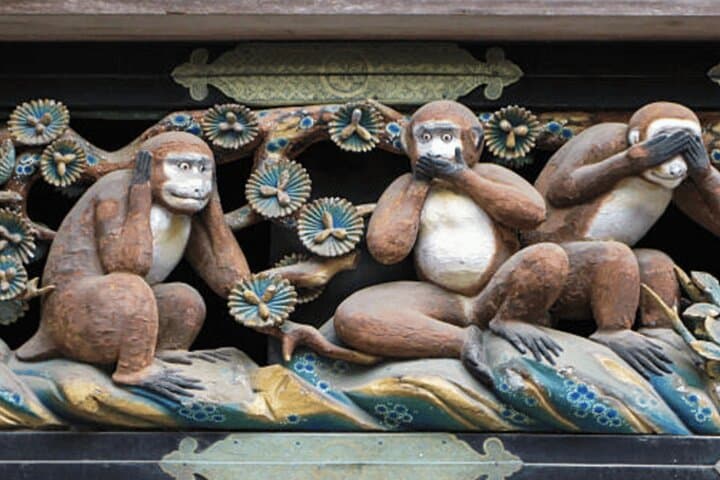
Toshogu is a lavish expression of early Edo power, built to honor Tokugawa Ieyasu. The complex blends Shinto and Buddhist motifs: Yomeimon Gate bristles with carved detail and the Three Wise Monkeys keep their watch. Nearby, Kammangafuchi’s row of Jizo statues sits along a gentle riverside path, each figure a small cultural anchor dressed in vermilion bibs.
Geologically Nikko sits where volcanic and sedimentary formations meet; the shrine sits on a low ridge above river terraces, so expect short stone steps and a modest uphill approach (roughly 50–100 m elevation change across the site). Culturally, the area reflects Edo-period patronage and centuries of pilgrimages; craftspeople’s lacquer and woodwork remain central to the visitor experience.
Practical guidance: meet in front of JR Nikko Station for this private, 6-hour walking tour. Wear grippy shoes for uneven stone, bring a rain layer in shoulder seasons, and carry cash for small shrine donations or snacks. The tour includes entrance where noted and is accessible for many mobility levels, though some steps at Toshogu are unavoidable. Aim for morning light to avoid crowds and capture carved details, and follow your guide’s pacing to balance explanation with quiet time at the river and shrine.
moderate.
6 hours.
Suitable for travelers who can walk several kilometers with short uphill sections and stair climbs; regular mobility is sufficient.
The private tour is approximately 6 hours and begins in front of JR Nikko Station.
Entrance to attractions noted in the itinerary, including Nikko Toshogu, is included in the tour price where specified.
The tour notes wheelchair accessibility for parts of the route, but some shrine areas have steps and uneven surfaces—check with the operator if full accessibility is required.
Yes; an English-speaking local guide is provided for the private tour.
Nikko Toshogu was established in the early 17th century to enshrine Tokugawa Ieyasu and became a focal point for Tokugawa-era patronage and religious syncretism.
Visitor management and preservation projects maintain carved woodwork and cedar groves; practice Leave No Trace around shrine grounds and river paths to protect delicate moss and temple structures.
Travel Japan Together Tokyo operates guided outdoor trips and adventures with an emphasis on safety, stewardship, and memorable experiences.
You step off the train at JR Nikko Station and the air changes — cedar trunks rise like quiet guards and the nearby river dares you toward the shrine. The guide leads at a steady pace; stone lanterns, moss, and a carpet of cedar needles set the rhythm as you walk toward Nikko Toshogu.
You step off the train at JR Nikko Station and the air changes — cedar trunks rise like quiet guards and the nearby river dares you toward the shrine. The guide leads at a steady pace; stone lanterns, moss, and a carpet of cedar needles set the rhythm as you walk toward Nikko Toshogu.
Toshogu is a lavish expression of early Edo power, built to honor Tokugawa Ieyasu. The complex blends Shinto and Buddhist motifs: Yomeimon Gate bristles with carved detail and the Three Wise Monkeys keep their watch. Nearby, Kammangafuchi’s row of Jizo statues sits along a gentle riverside path, each figure a small cultural anchor dressed in vermilion bibs.
Geologically Nikko sits where volcanic and sedimentary formations meet; the shrine sits on a low ridge above river terraces, so expect short stone steps and a modest uphill approach (roughly 50–100 m elevation change across the site). Culturally, the area reflects Edo-period patronage and centuries of pilgrimages; craftspeople’s lacquer and woodwork remain central to the visitor experience.
Practical guidance: meet in front of JR Nikko Station for this private, 6-hour walking tour. Wear grippy shoes for uneven stone, bring a rain layer in shoulder seasons, and carry cash for small shrine donations or snacks. The tour includes entrance where noted and is accessible for many mobility levels, though some steps at Toshogu are unavoidable. Aim for morning light to avoid crowds and capture carved details, and follow your guide’s pacing to balance explanation with quiet time at the river and shrine.