THE ADVENTURE COLLECTIVE® · Independent discovery and booking for outdoor travel

Spend a day wandering Nikko’s cedar-shaded shrine precincts on an express-train day trip from Tokyo. Visit Shinkyo Bridge, Rinnoji, Toshogu Shrine, Futarasan Shrine and the Taiyuin Mausoleum with local transport and a guided route.
Spend a day wandering Nikko’s cedar-shaded shrine precincts on an express-train day trip from Tokyo. Visit Shinkyo Bridge, Rinnoji, Toshogu Shrine, Futarasan Shrine and the Taiyuin Mausoleum with local transport and a guided route.
You step off the express train into mountain air that smells of cedar and cool river spray, the city of Nikko opening like a slow panorama. The vermilion curve of Shinkyo Bridge appears first, arching over the Daiya River and daring you toward the forested approach. From there the tour threads through shaded temple lanes, ornate gates, and mossed stone steps that climb toward Toshogu and the Taiyuin Mausoleum.
Verified experiences and guided adventures in the surrounding area.
Operated by Fulfilling Inc. · Nikko, Tochigi Prefecture
You step off the express train into mountain air that smells of cedar and cool river spray, the city of Nikko opening like a slow panorama. The vermilion curve of Shinkyo Bridge appears first, arching over the Daiya River and daring you toward the forested approach. From there the tour threads through shaded temple lanes, ornate gates, and mossed stone steps that climb toward Toshogu and the Taiyuin Mausoleum.
This compact loop holds more than architecture: Nikko’s shrines grew around a route that linked Edo (old Tokyo) with the highlands. The Toshogu complex—rebuilt and lavishly carved during the Tokugawa era—sits atop ancient volcanic soils where erosion and uplift have shaped tight river valleys and steep ridgelines. Rinnoji, with Buddhist halls over 1,200 years old, reflects the mixing of Shinto and Buddhist practices that defines regional culture.
Expect a day of curated walking: paved alleys, short staircases, and occasional uneven stone; cumulative distance is roughly 3–5 km with modest elevation changes and a handful of steep steps at mausoleums. The experience balances sightlines and quiet—listen for river currents pushing the forest’s hush into sharp contrast with carved dragons and lacquered eaves.
Practical guidance: this is a full-day outing from Tokyo (train plus local bus), so bring layered clothing, comfortable walking shoes, and an IC card for local transit. Aim to arrive early to avoid crowds at Toshogu and to allow time for photos, quiet reflection, and a late lunch in town.
moderate.
10 hours.
Moderate; you'll be on your feet for most of the day with some stair climbing and short uphill stretches.
The tour runs about 10 hours with round-trip express train travel from Tokyo and local bus transfers around Nikko included in the itinerary.
Transportation and admission fees are listed as included in this tour’s inclusions, but confirm specifics at booking as some sites may have optional exhibitions with separate charges.
Children can join if accompanied by an adult; visitors with limited mobility should note there are many steps and uneven surfaces—contact the operator for accessibility options and pickup details.
Peak autumn color typically occurs mid-October to early November; arrive early in the day to avoid crowds and capture the foliage in softer light.
Nikko’s religious complexes grew from early Heian-period Buddhist sites and were transformed under the Tokugawa shogunate into a political and spiritual center marked by lavish mausoleums and shrine architecture.
Visitor numbers can stress historic structures and forest soils; stick to paths, avoid feeding wildlife, and choose local vendors to support conservation-minded stewardship.
Fulfilling Inc. operates guided outdoor trips and adventures with an emphasis on safety, stewardship, and memorable experiences.
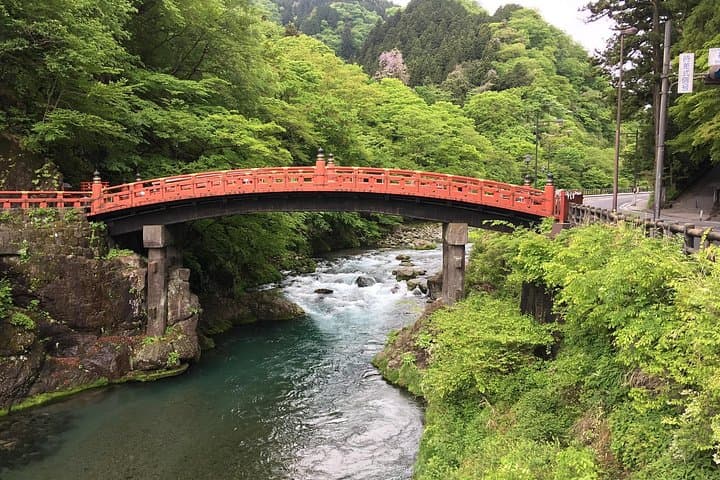
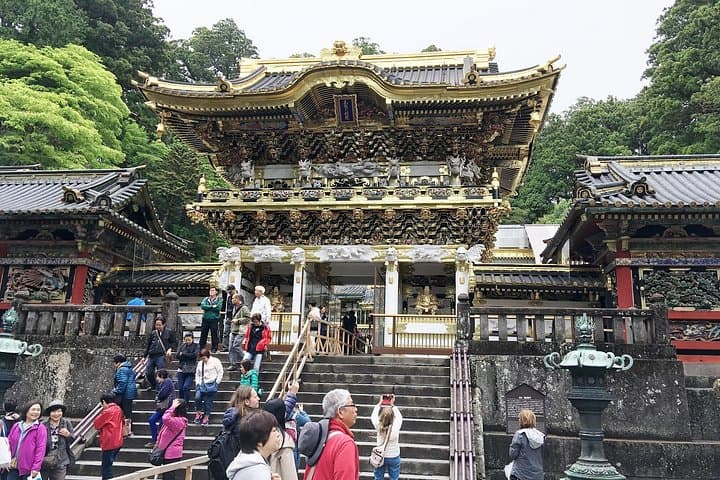
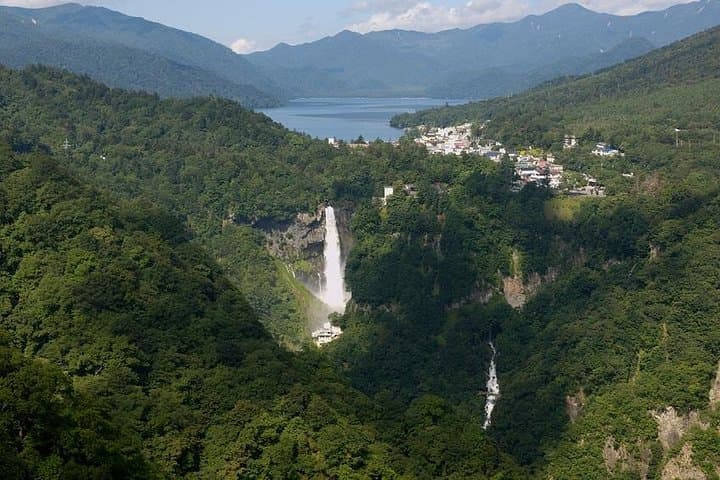
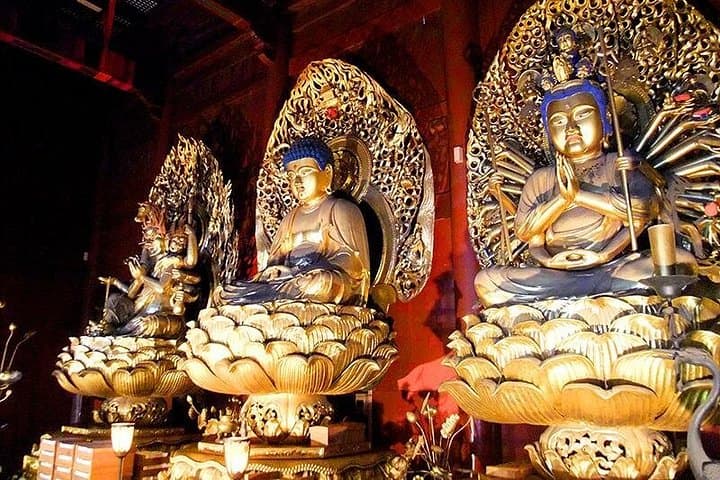
You step off the express train into mountain air that smells of cedar and cool river spray, the city of Nikko opening like a slow panorama. The vermilion curve of Shinkyo Bridge appears first, arching over the Daiya River and daring you toward the forested approach. From there the tour threads through shaded temple lanes, ornate gates, and mossed stone steps that climb toward Toshogu and the Taiyuin Mausoleum.
You step off the express train into mountain air that smells of cedar and cool river spray, the city of Nikko opening like a slow panorama. The vermilion curve of Shinkyo Bridge appears first, arching over the Daiya River and daring you toward the forested approach. From there the tour threads through shaded temple lanes, ornate gates, and mossed stone steps that climb toward Toshogu and the Taiyuin Mausoleum.
This compact loop holds more than architecture: Nikko’s shrines grew around a route that linked Edo (old Tokyo) with the highlands. The Toshogu complex—rebuilt and lavishly carved during the Tokugawa era—sits atop ancient volcanic soils where erosion and uplift have shaped tight river valleys and steep ridgelines. Rinnoji, with Buddhist halls over 1,200 years old, reflects the mixing of Shinto and Buddhist practices that defines regional culture.
Expect a day of curated walking: paved alleys, short staircases, and occasional uneven stone; cumulative distance is roughly 3–5 km with modest elevation changes and a handful of steep steps at mausoleums. The experience balances sightlines and quiet—listen for river currents pushing the forest’s hush into sharp contrast with carved dragons and lacquered eaves.
Practical guidance: this is a full-day outing from Tokyo (train plus local bus), so bring layered clothing, comfortable walking shoes, and an IC card for local transit. Aim to arrive early to avoid crowds at Toshogu and to allow time for photos, quiet reflection, and a late lunch in town.