THE ADVENTURE COLLECTIVE® · Independent discovery and booking for outdoor travel

Drive from Tokyo into the high forests of Nikkō for a full day of ornate shrines, a dramatic 97‑meter waterfall, and a scenic lakeside observatory. This private car tour with an English-speaking chauffeur simplifies logistics so you can focus on place, history, and views.
Drive from Tokyo into the high forests of Nikkō for a full day of ornate shrines, a dramatic 97‑meter waterfall, and a scenic lakeside observatory. This private car tour with an English-speaking chauffeur simplifies logistics so you can focus on place, history, and views.
A chill of mountain air meets city-worn travelers as the car slips off the highway and climbs toward Nikkō. Within an hour and a half of leaving Tokyo's edges the landscape opens—river valleys sharpen, cedars lean toward temple roofs, and Shinkyo Bridge cuts a bright arc over the Daiya River, daring you to slow down and look.
Verified experiences and guided adventures in the surrounding area.
Operated by Kizuna Discoveries · Nikkō, Tochigi
A chill of mountain air meets city-worn travelers as the car slips off the highway and climbs toward Nikkō. Within an hour and a half of leaving Tokyo's edges the landscape opens—river valleys sharpen, cedars lean toward temple roofs, and Shinkyo Bridge cuts a bright arc over the Daiya River, daring you to slow down and look.
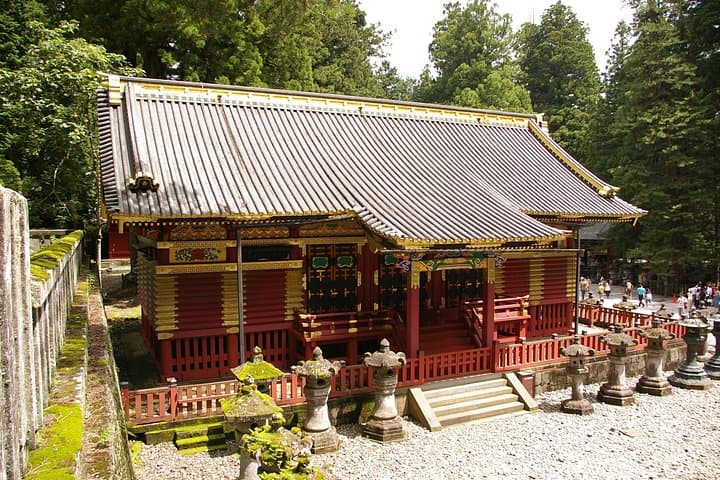
The day moves through layers of history and geology: the lavish carvings and color of Tōshō-gū reflect Tokugawa-era splendor; Tamozawa Imperial Villa shows a quieter, residential imperial style and manicured gardens; Chuzenji Lake and nearby Kegon Falls reveal volcanic shaping—clear basins, steep cliffs, and a 97‑meter cataract that announces itself long before you arrive.
Local culture is visible in small details—wood-framed shops selling yuba (tofu skin), cedar-tiled roofs, and shrine rituals that continue unchanged. Guides and drivers bridge language and logistics, freeing time for observation instead of orientation.
Practicalities matter: typical full-day tours run about 10 hours with roughly 2.5 hours driving each way from central Tokyo, and many entry fees or ropeway rides are paid on site. Wear comfortable walking shoes for shrine grounds and short lakeside trails, bring layered clothing for sudden temperature shifts, and carry cash for smaller vendors. For quieter photos, plan temple stops early in the day or later afternoon. The experience suits travelers who want curated access to Nikko’s cultural highlights without navigating trains and buses—this is a measured, accessible immersion into one of Japan’s most atmospheric heritage landscapes.
easy.
8–10 hours.
Light walking around temples, short lakeside trails and viewpoints; suitable for most travelers with moderate mobility
Expect about 2–2.5 hours each way by car depending on traffic; tours typically allocate transit and several hours for walking each site.
Most small admission fees and ropeway fares are paid on site—confirm inclusions when booking, as this tour lists some items as not included.
Vehicles and many park areas are wheelchair accessible, but some historic shrine areas include steps and uneven surfaces—notify operators of mobility needs when booking.
Yes; the tour advertises flexible durations (1–10 hours) and customizable stops—discuss priorities with the driver to optimize time and pacing.
Nikkō grew in prominence during the Edo period as the site of Tokugawa Ieyasu’s mausoleum; its temple architecture blends religious practice with political commemoration.
Much of the area sits within Nikkō National Park—stay on trails, minimize noise in wildlife areas, and support local guides to reduce ecological impact.
Kizuna Discoveries operates guided outdoor trips and adventures with an emphasis on safety, stewardship, and memorable experiences.
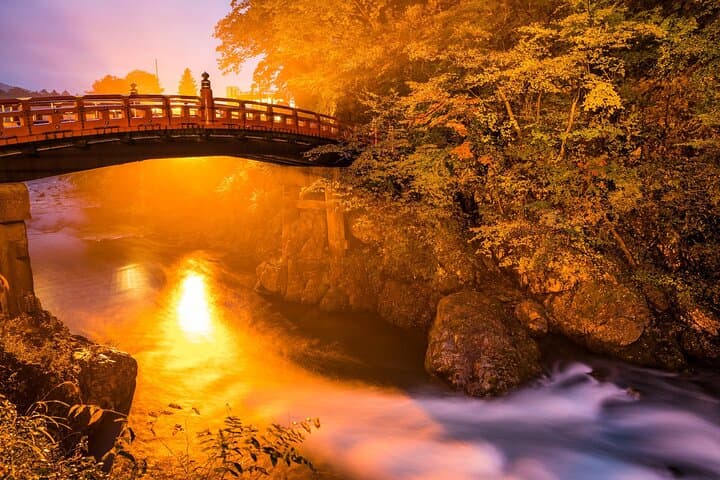
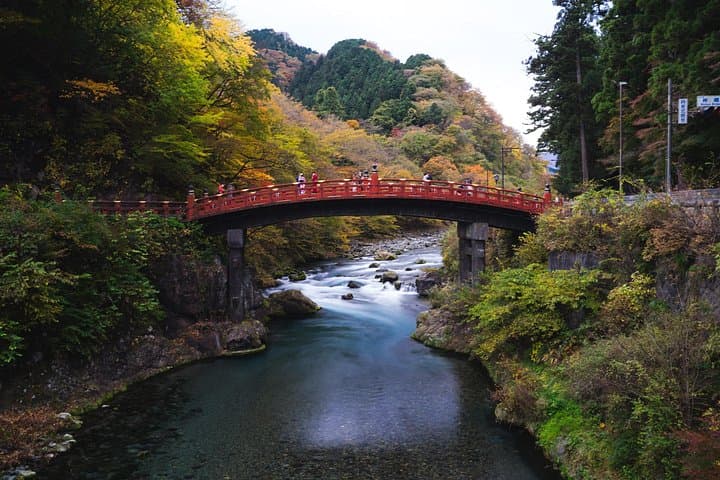
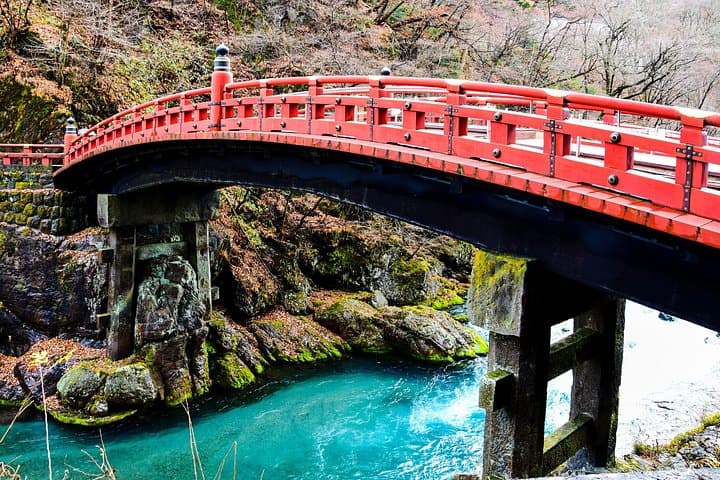
A chill of mountain air meets city-worn travelers as the car slips off the highway and climbs toward Nikkō. Within an hour and a half of leaving Tokyo's edges the landscape opens—river valleys sharpen, cedars lean toward temple roofs, and Shinkyo Bridge cuts a bright arc over the Daiya River, daring you to slow down and look.
A chill of mountain air meets city-worn travelers as the car slips off the highway and climbs toward Nikkō. Within an hour and a half of leaving Tokyo's edges the landscape opens—river valleys sharpen, cedars lean toward temple roofs, and Shinkyo Bridge cuts a bright arc over the Daiya River, daring you to slow down and look.
The day moves through layers of history and geology: the lavish carvings and color of Tōshō-gū reflect Tokugawa-era splendor; Tamozawa Imperial Villa shows a quieter, residential imperial style and manicured gardens; Chuzenji Lake and nearby Kegon Falls reveal volcanic shaping—clear basins, steep cliffs, and a 97‑meter cataract that announces itself long before you arrive.
Local culture is visible in small details—wood-framed shops selling yuba (tofu skin), cedar-tiled roofs, and shrine rituals that continue unchanged. Guides and drivers bridge language and logistics, freeing time for observation instead of orientation.
Practicalities matter: typical full-day tours run about 10 hours with roughly 2.5 hours driving each way from central Tokyo, and many entry fees or ropeway rides are paid on site. Wear comfortable walking shoes for shrine grounds and short lakeside trails, bring layered clothing for sudden temperature shifts, and carry cash for smaller vendors. For quieter photos, plan temple stops early in the day or later afternoon. The experience suits travelers who want curated access to Nikko’s cultural highlights without navigating trains and buses—this is a measured, accessible immersion into one of Japan’s most atmospheric heritage landscapes.