THE ADVENTURE COLLECTIVE® · Independent discovery and booking for outdoor travel

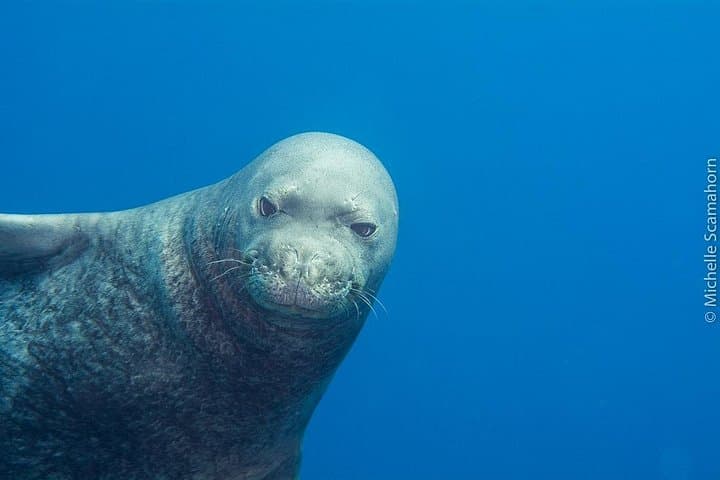
Cross Kauaʻi’s glassy channel to dive Niʻihau’s vertical walls on a two‑tank day trip—small groups, clear visibility, and regular sightings of manta rays and Hawaiian monk seals. Read on for what to expect and how to prepare.
Cross Kauaʻi’s glassy channel to dive Niʻihau’s vertical walls on a two‑tank day trip—small groups, clear visibility, and regular sightings of manta rays and Hawaiian monk seals. Read on for what to expect and how to prepare.
The boat slips out of Kīkīaola before dawn and the horizon narrows into a single bright strip. Salt spray pats your sunshirt as the coastline of Kauaʻi shrinks; an hour later the island of Niʻihau rises as dark cliff and reef, its walls falling straight into blue that seems bottomless. Underwater, the vertical faces dare you down—clear water, vertical walls, and currents that nudge divers along sheer drop-offs.
Verified experiences and guided adventures in the surrounding area.
Operated by Explore Kauai Scuba · Eleele, Hawaii
The boat slips out of Kīkīaola before dawn and the horizon narrows into a single bright strip. Salt spray pats your sunshirt as the coastline of Kauaʻi shrinks; an hour later the island of Niʻihau rises as dark cliff and reef, its walls falling straight into blue that seems bottomless. Underwater, the vertical faces dare you down—clear water, vertical walls, and currents that nudge divers along sheer drop-offs.
Niʻihau is privately owned and largely closed to visitors; nearby Lehua islet is the remnant of a volcanic cone and a protected seabird rookery. Geologically the area is dominated by eroded basalt cliffs and submarine terraces carved by wave action and ancient lava flows; that structure creates deep walls and channels that attract pelagics. Culturally, Niʻihau’s isolation preserves traditional Hawaiian practices; access is controlled and respectful distance from wildlife is obligatory.
Practically: this is a two‑tank dive day for certified divers (operators recommend 15+ logged dives). Small groups (max six) and an experienced crew shorten transit time—expect about a 1‑hour crossing each way from Kīkīaola harbor, two dives on vertical walls or reefs, lunch and a Lehua crater circumnavigation between dives. Included: tanks, basic scuba gear, bottled water, snacks and lunch. Weather between October and April can force a swap to Kauaʻi dive sites; contingency refunds apply. Arrive by 6:30 a.m., know your limits around monk seals and sharks, and carry a dive computer and certification card. The day moves deliberately—calm in the boat, intense underwater—rewarding those who come prepared to breathe, look, and respect a rare, wild coastline.
challenging.
7–8 hours.
Moderate cardiovascular fitness and comfort with boat operations and repetitive dives; must handle gear and surface swims.
Yes — only certified divers may dive Niʻihau; operators typically require at least 15 logged dives and current certification.
Expect about a 1‑hour crossing each way from Kīkīaola harbor, though return times can be 60–90 minutes depending on conditions.
This trip includes two guided dives with a surface interval for lunch and a Lehua crater tour between dives.
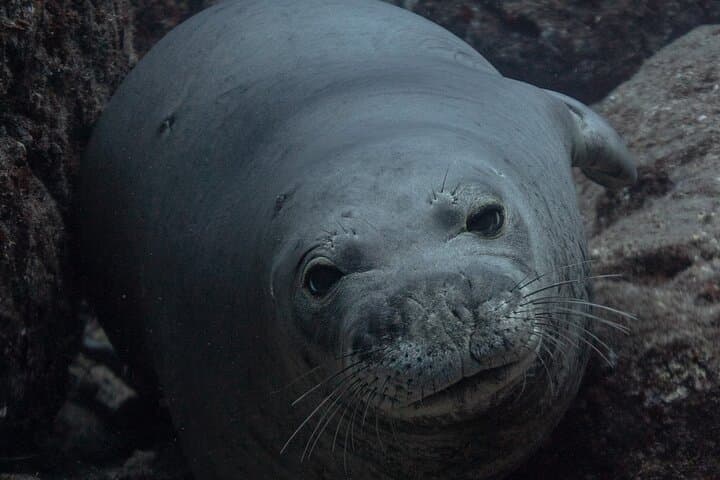
Common sightings include manta rays, sandbar sharks, large predatory fish, walls of butterflyfish, Hawaiian monk seals and often dolphins near the crater.
Niʻihau has been privately owned since the 19th century and access is limited to protect native culture and ecosystems; Lehua is an extinct volcanic tuff ring and important seabird refuge.
Lehua is protected as a seabird sanctuary and visitors are expected to avoid disturbances; operators follow strict wildlife‑distance rules and support leave‑no‑trace boat practices.
Explore Kauai Scuba operates guided outdoor trips and adventures with an emphasis on safety, stewardship, and memorable experiences.


The boat slips out of Kīkīaola before dawn and the horizon narrows into a single bright strip. Salt spray pats your sunshirt as the coastline of Kauaʻi shrinks; an hour later the island of Niʻihau rises as dark cliff and reef, its walls falling straight into blue that seems bottomless. Underwater, the vertical faces dare you down—clear water, vertical walls, and currents that nudge divers along sheer drop-offs.
The boat slips out of Kīkīaola before dawn and the horizon narrows into a single bright strip. Salt spray pats your sunshirt as the coastline of Kauaʻi shrinks; an hour later the island of Niʻihau rises as dark cliff and reef, its walls falling straight into blue that seems bottomless. Underwater, the vertical faces dare you down—clear water, vertical walls, and currents that nudge divers along sheer drop-offs.
Niʻihau is privately owned and largely closed to visitors; nearby Lehua islet is the remnant of a volcanic cone and a protected seabird rookery. Geologically the area is dominated by eroded basalt cliffs and submarine terraces carved by wave action and ancient lava flows; that structure creates deep walls and channels that attract pelagics. Culturally, Niʻihau’s isolation preserves traditional Hawaiian practices; access is controlled and respectful distance from wildlife is obligatory.
Practically: this is a two‑tank dive day for certified divers (operators recommend 15+ logged dives). Small groups (max six) and an experienced crew shorten transit time—expect about a 1‑hour crossing each way from Kīkīaola harbor, two dives on vertical walls or reefs, lunch and a Lehua crater circumnavigation between dives. Included: tanks, basic scuba gear, bottled water, snacks and lunch. Weather between October and April can force a swap to Kauaʻi dive sites; contingency refunds apply. Arrive by 6:30 a.m., know your limits around monk seals and sharks, and carry a dive computer and certification card. The day moves deliberately—calm in the boat, intense underwater—rewarding those who come prepared to breathe, look, and respect a rare, wild coastline.