THE ADVENTURE COLLECTIVE® · Independent discovery and booking for outdoor travel

Trace the dim alleys of Whitechapel on a two-hour guided walk that visits crime sites, Victorian streets and haunted corners. Led by a Ripper expert, the tour blends documented evidence with local color—perfect for history-minded walkers.
Trace the dim alleys of Whitechapel on a two-hour guided walk that visits crime sites, Victorian streets and haunted corners. Led by a Ripper expert, the tour blends documented evidence with local color—perfect for history-minded walkers.
A chill from the Thames slips through the gaslamp-lit alleys as the group gathers on a corner in Whitechapel. Streetlamps throw long shadows across cobbles; a guide unfurls sepia photographs and the evening hush tightens—this is a walking tour that trades history for heartbeat. For two hours you follow narrow lanes, pass unaltered Victorian façades and step where late-19th-century lives were suddenly cut short.
Verified experiences and guided adventures in the surrounding area.
Operated by London Mystery Walks · London, England
A chill from the Thames slips through the gaslamp-lit alleys as the group gathers on a corner in Whitechapel. Streetlamps throw long shadows across cobbles; a guide unfurls sepia photographs and the evening hush tightens—this is a walking tour that trades history for heartbeat. For two hours you follow narrow lanes, pass unaltered Victorian façades and step where late-19th-century lives were suddenly cut short.
The walk threads history with urban geology: Whitechapel sits on reclaimed marshland shaped by the Thames, its streets layered in Victorian cobbles and later brick infill. In 1888 the East End’s dense population, poverty, and dimly lit streets framed the Whitechapel murders that riveted a changing London and transformed policing and public inquiry. The tour is led by an experienced Ripperologist who pairs period photographs with local lore, pointing out pubs, courts and the precise locations tied to key events.
Beyond true-crime intrigue the neighborhood offers cultural texture—market alleys, small chapels, and the lingering architecture of immigrant communities. Practicalities matter: the route includes uneven pavements and tight alleys, often at night, so bring a charged phone (tickets are mobile), wear grippy shoes and layer for wind off the river. Expect roughly two hours of steady walking with short stops for stories and images; the guide concludes with interpretations of the evidence and encourages questions. This is history presented on foot—respectful, tangible, and unavoidably atmospheric.
moderate.
2 hours.
Should be comfortable walking for two hours at an easy-to-brisk pace, able to manage short stairways and uneven ground.
The guided walk runs about two hours with multiple stops for photos and commentary.
Content covers violent historical events and may be unsettling for young children; parental discretion is advised.
Some areas have uneven paving and narrow passages; the tour is wheelchair accessible in parts but check with the operator ahead for specifics.
The tour may be canceled for severe weather—confirm with the operator; typical light rain usually proceeds so dress for wet conditions.
The Whitechapel murders of 1888 occurred amid rapid Victorian urbanization and sparked reforms in policing and forensic awareness.
Many buildings are protected Victorian structures—stay on paths, avoid touching fragile façades, and support local heritage by following established tour guidelines.
London Mystery Walks operates guided outdoor trips and adventures with an emphasis on safety, stewardship, and memorable experiences.

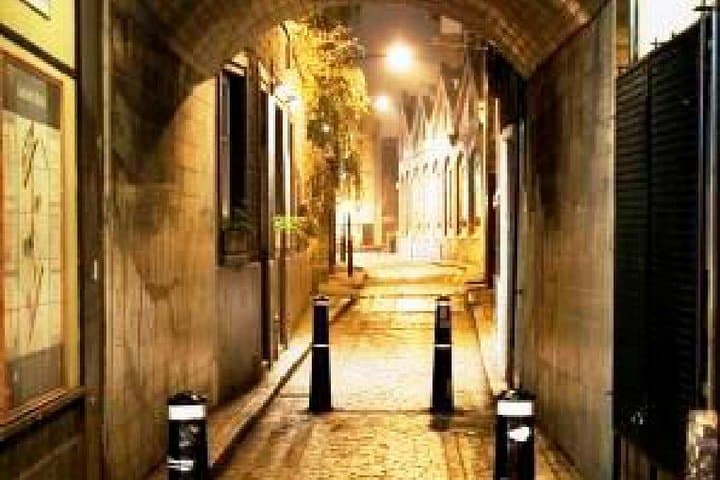
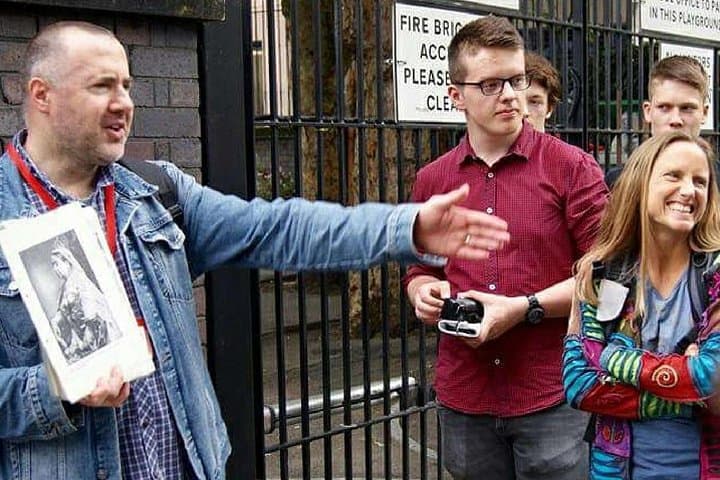
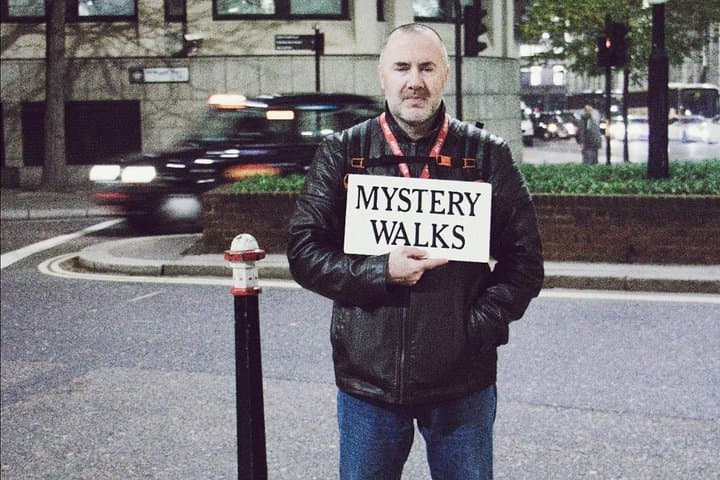
A chill from the Thames slips through the gaslamp-lit alleys as the group gathers on a corner in Whitechapel. Streetlamps throw long shadows across cobbles; a guide unfurls sepia photographs and the evening hush tightens—this is a walking tour that trades history for heartbeat. For two hours you follow narrow lanes, pass unaltered Victorian façades and step where late-19th-century lives were suddenly cut short.
A chill from the Thames slips through the gaslamp-lit alleys as the group gathers on a corner in Whitechapel. Streetlamps throw long shadows across cobbles; a guide unfurls sepia photographs and the evening hush tightens—this is a walking tour that trades history for heartbeat. For two hours you follow narrow lanes, pass unaltered Victorian façades and step where late-19th-century lives were suddenly cut short.
The walk threads history with urban geology: Whitechapel sits on reclaimed marshland shaped by the Thames, its streets layered in Victorian cobbles and later brick infill. In 1888 the East End’s dense population, poverty, and dimly lit streets framed the Whitechapel murders that riveted a changing London and transformed policing and public inquiry. The tour is led by an experienced Ripperologist who pairs period photographs with local lore, pointing out pubs, courts and the precise locations tied to key events.
Beyond true-crime intrigue the neighborhood offers cultural texture—market alleys, small chapels, and the lingering architecture of immigrant communities. Practicalities matter: the route includes uneven pavements and tight alleys, often at night, so bring a charged phone (tickets are mobile), wear grippy shoes and layer for wind off the river. Expect roughly two hours of steady walking with short stops for stories and images; the guide concludes with interpretations of the evidence and encourages questions. This is history presented on foot—respectful, tangible, and unavoidably atmospheric.