THE ADVENTURE COLLECTIVE® · Independent discovery and booking for outdoor travel

Explore Paris’s lesser-known history on a 2-hour night walk through Île de la Cité and the Notre-Dame neighborhood. Learn grounded stories of crimes, secret societies and local legends while navigating dim cobbles and river winds.
Explore Paris’s lesser-known history on a 2-hour night walk through Île de la Cité and the Notre-Dame neighborhood. Learn grounded stories of crimes, secret societies and local legends while navigating dim cobbles and river winds.
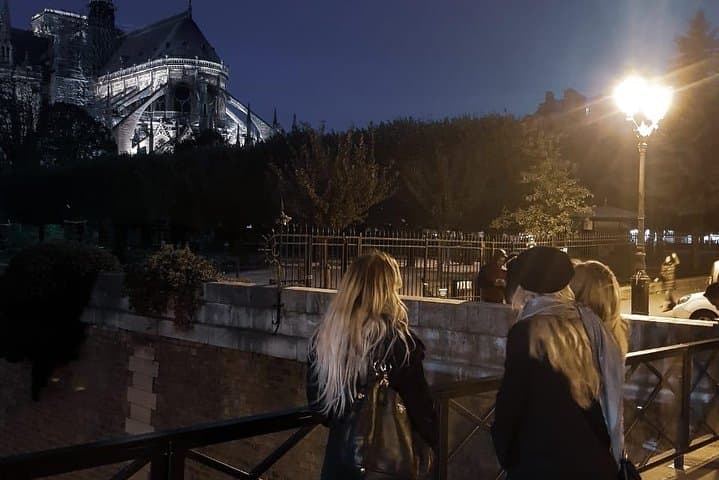
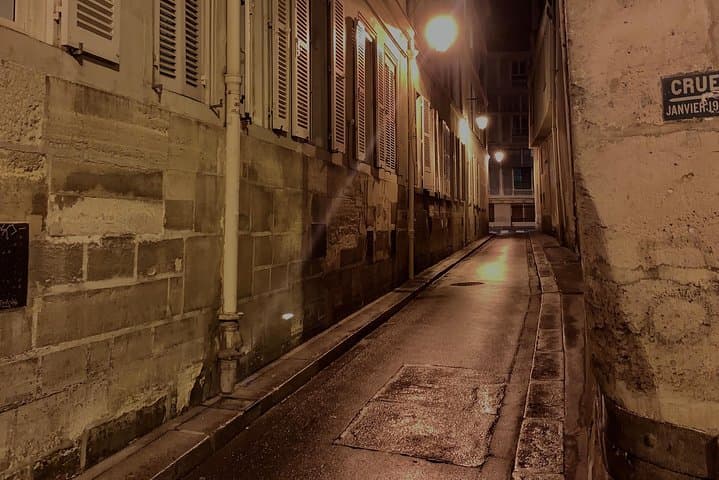
A river-slick cobblestone, gas lamps low, and the silhouette of Notre-Dame carving the skyline — the walk begins in the hush that follows Parisian rush hour.
Verified experiences and guided adventures in the surrounding area.
Operated by IRREPLACEABLE TOURS · Paris, Île-de-France
A river-slick cobblestone, gas lamps low, and the silhouette of Notre-Dame carving the skyline — the walk begins in the hush that follows Parisian rush hour.
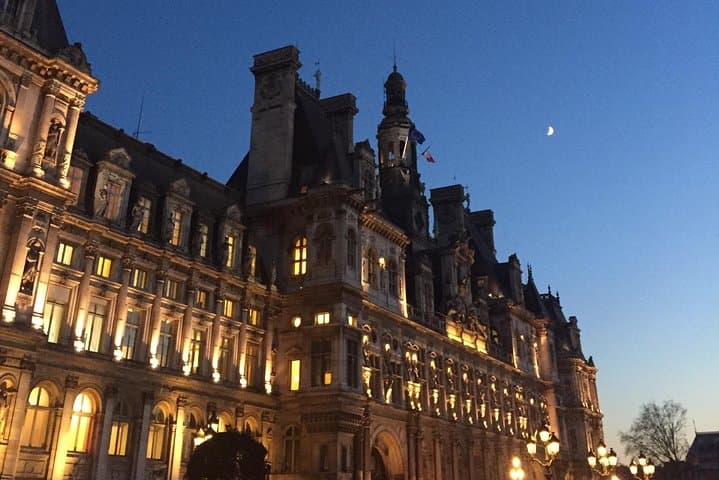
Over two hours the guide threads the group through Hôtel de Ville, the narrow lanes of Île de la Cité and the shadowed façades by the cathedral, translating stone and ironwork into stories of crime, scandal and local lore. The route pauses at theatres and squares where headlines once read like short, brutal plays and points out gargoyles and grotesques that long fed the city’s superstitions.
This part of Paris grew from a Roman and medieval core; the island has been the administrative heart of the city for centuries and its alleys reflect changing justice systems, secret societies and 19th-century urban myths. Geology is subtle here — the Seine’s alluvial plain shaped bridges and quays, concentrating human activity on this compact island.
Culturally the tour sits between literary fascination and municipal history: it explains how public executions, sensational journalism and gothic architecture combined to produce the city’s darker folklore. Guides rely on archival facts, court records and well-known legends — not supernatural proof.
Practical edge: expect two hours of standing and walking on uneven cobbles and occasional steps; wear sturdy shoes, bring a small flashlight or use your phone, and dress for wind off the Seine. Tours run after dusk when shadows deepen; choose an earlier slot in winter for milder temperatures, and allow extra time to reach the meeting point by Metro (Cité or Hôtel de Ville).
easy.
2 hours.
Suitable for most fitness levels; requires standing and walking on uneven surfaces for up to two hours.
Yes—families with older children who can handle two hours of walking and listen to historical stories will find it appropriate; content includes references to historical crimes.
No—guides recount well-known legends and documented events; the experience is narrative and historical rather than paranormal investigation.
Many central streets have uneven cobbles and steps; accessibility is limited—contact the operator ahead for specific accommodations or alternative routes.
Tours are typically conducted in the advertised language; check the booking page for available language options and to confirm guide language.
Île de la Cité is Paris’s historical core: a Roman and medieval administrative center where public justice, markets and cathedral life concentrated for centuries.
Visitors should stick to paved paths, avoid touching fragile stonework and respect barriers around monuments; tourism-sensitive areas benefit when groups keep noise and litter low.
IRREPLACEABLE TOURS operates guided outdoor trips and adventures with an emphasis on safety, stewardship, and memorable experiences.
A river-slick cobblestone, gas lamps low, and the silhouette of Notre-Dame carving the skyline — the walk begins in the hush that follows Parisian rush hour.
A river-slick cobblestone, gas lamps low, and the silhouette of Notre-Dame carving the skyline — the walk begins in the hush that follows Parisian rush hour.
Over two hours the guide threads the group through Hôtel de Ville, the narrow lanes of Île de la Cité and the shadowed façades by the cathedral, translating stone and ironwork into stories of crime, scandal and local lore. The route pauses at theatres and squares where headlines once read like short, brutal plays and points out gargoyles and grotesques that long fed the city’s superstitions.
This part of Paris grew from a Roman and medieval core; the island has been the administrative heart of the city for centuries and its alleys reflect changing justice systems, secret societies and 19th-century urban myths. Geology is subtle here — the Seine’s alluvial plain shaped bridges and quays, concentrating human activity on this compact island.
Culturally the tour sits between literary fascination and municipal history: it explains how public executions, sensational journalism and gothic architecture combined to produce the city’s darker folklore. Guides rely on archival facts, court records and well-known legends — not supernatural proof.
Practical edge: expect two hours of standing and walking on uneven cobbles and occasional steps; wear sturdy shoes, bring a small flashlight or use your phone, and dress for wind off the Seine. Tours run after dusk when shadows deepen; choose an earlier slot in winter for milder temperatures, and allow extra time to reach the meeting point by Metro (Cité or Hôtel de Ville).