THE ADVENTURE COLLECTIVE® · Independent discovery and booking for outdoor travel

Step into the dark of Goa’s Western Ghats to witness fragile clusters of bioluminescent fungi casting a soft, otherworldly glow. This guided night hike combines natural history, easy forest walking, and an unforgettable natural light show.
Step into the dark of Goa’s Western Ghats to witness fragile clusters of bioluminescent fungi casting a soft, otherworldly glow. This guided night hike combines natural history, easy forest walking, and an unforgettable natural light show.
A hush falls across the forest as the last colors of sunset drain from the canopy and the Western Ghats exhale night. You step onto a narrow trail—soft leaf litter underfoot, the air close with spice and damp earth—and a guide’s torch picks out clusters of tiny mushrooms that seem to glow from within. The light is faint, bluish-green, and oddly deliberate, like small lanterns scattered across the forest floor.
Verified experiences and guided adventures in the surrounding area.
Operated by Nature's Nest Goa · Mollem, Goa
A hush falls across the forest as the last colors of sunset drain from the canopy and the Western Ghats exhale night. You step onto a narrow trail—soft leaf litter underfoot, the air close with spice and damp earth—and a guide’s torch picks out clusters of tiny mushrooms that seem to glow from within. The light is faint, bluish-green, and oddly deliberate, like small lanterns scattered across the forest floor.
The fungi responsible—small Mycena and related species—produce light through a chemical reaction that aids decomposition and may attract or repel insects. The Western Ghats themselves are an ancient mountain chain, one of the planet’s biodiversity hotspots, carved by monsoon rains and home to endemic plants and wildlife shaped by fast-changing microclimates.
Local culture treats the night forest with quiet respect; guides blend natural history with folklore, explaining how villagers once used fungal glow as a route marker or as stories to explain the forest at night. Geologically, the Ghats’ laterite soils and dense, moist understory create the damp, shaded conditions these fungi prefer.
Practical notes: tours run after dark and last about three hours along easy, uneven forest paths (roughly 2–4 km round-trip). Wear closed shoes, bring a headlamp with a red filter or use the supplied torch lightly, and keep voice and light levels low—flash photos can wash out the glow. Expect muddy sections after rain and modest elevation changes; guides provide safety briefings, a welcome drink, and snacks. This is a short, accessible night hike that rewards patience and quiet observation—bring insect repellent and a sense of wonder, but also sturdy footwear and warm layers for the cool night air.
easy.
3 hours.
Suitable for people in basic to moderate fitness; able to walk 2–4 km on uneven ground and short inclines.
The glow is faint and most visible in total darkness. Long-exposure photography can capture it best—use a tripod and avoid flash; guides often help with settings.
Yes—families with older children generally do well; the walk is short and easy but requires quiet behavior and care on uneven ground.
Occasional nocturnal animals like owls, frogs, or crickets are common sounds and sometimes sights; mammals are rarer but possible in deeper forest areas.
Tours may be postponed or canceled in heavy rain for safety and habitat protection; light showers are common and the forest remains accessible with proper footwear and rain gear.
The Western Ghats have supported human communities for millennia; local temple groves and agricultural practices have influenced forest composition and species distributions.
The Ghats are a protected biodiversity hotspot facing pressure from development and tourism; stick to trails, avoid collecting specimens, and follow guides’ leave-no-trace practices.
Nature's Nest Goa operates guided outdoor trips and adventures with an emphasis on safety, stewardship, and memorable experiences.
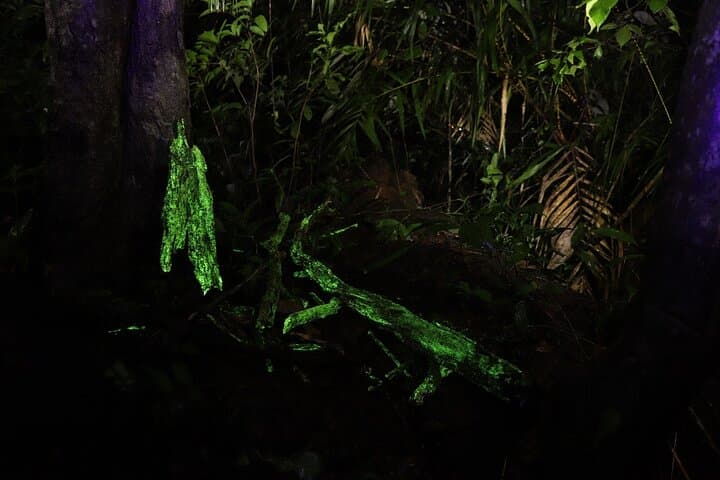
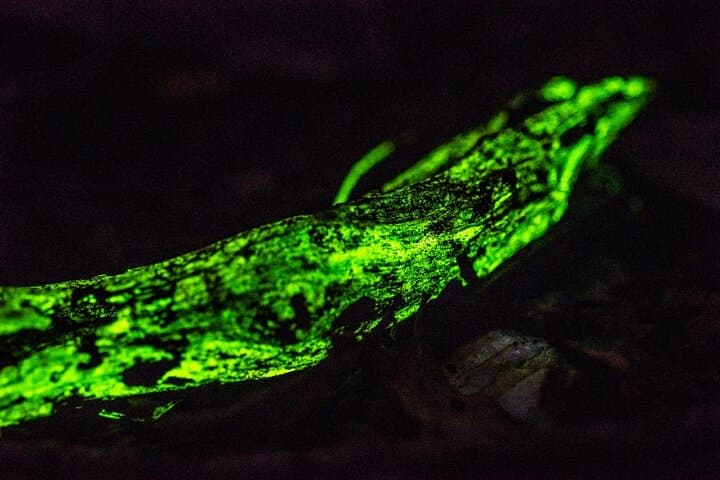
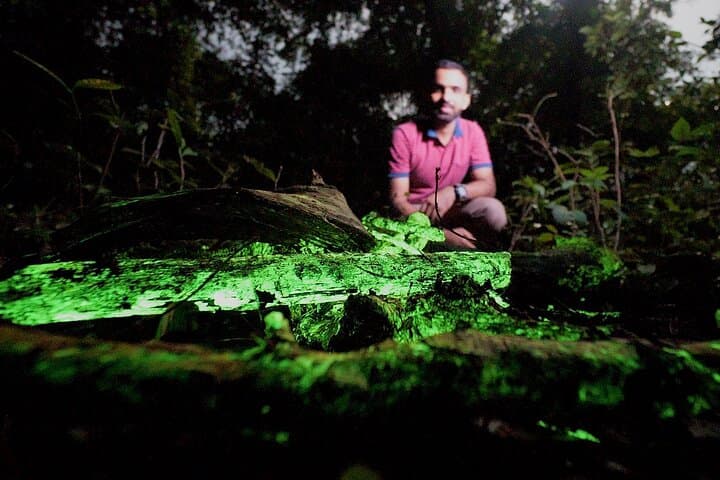
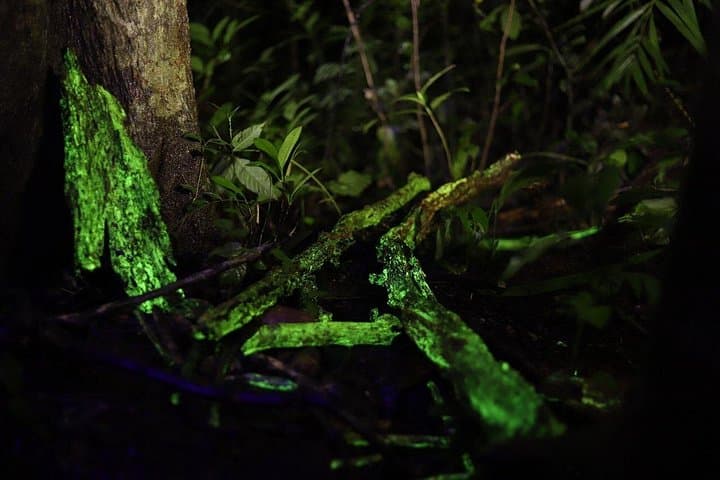
A hush falls across the forest as the last colors of sunset drain from the canopy and the Western Ghats exhale night. You step onto a narrow trail—soft leaf litter underfoot, the air close with spice and damp earth—and a guide’s torch picks out clusters of tiny mushrooms that seem to glow from within. The light is faint, bluish-green, and oddly deliberate, like small lanterns scattered across the forest floor.
A hush falls across the forest as the last colors of sunset drain from the canopy and the Western Ghats exhale night. You step onto a narrow trail—soft leaf litter underfoot, the air close with spice and damp earth—and a guide’s torch picks out clusters of tiny mushrooms that seem to glow from within. The light is faint, bluish-green, and oddly deliberate, like small lanterns scattered across the forest floor.
The fungi responsible—small Mycena and related species—produce light through a chemical reaction that aids decomposition and may attract or repel insects. The Western Ghats themselves are an ancient mountain chain, one of the planet’s biodiversity hotspots, carved by monsoon rains and home to endemic plants and wildlife shaped by fast-changing microclimates.
Local culture treats the night forest with quiet respect; guides blend natural history with folklore, explaining how villagers once used fungal glow as a route marker or as stories to explain the forest at night. Geologically, the Ghats’ laterite soils and dense, moist understory create the damp, shaded conditions these fungi prefer.
Practical notes: tours run after dark and last about three hours along easy, uneven forest paths (roughly 2–4 km round-trip). Wear closed shoes, bring a headlamp with a red filter or use the supplied torch lightly, and keep voice and light levels low—flash photos can wash out the glow. Expect muddy sections after rain and modest elevation changes; guides provide safety briefings, a welcome drink, and snacks. This is a short, accessible night hike that rewards patience and quiet observation—bring insect repellent and a sense of wonder, but also sturdy footwear and warm layers for the cool night air.