THE ADVENTURE COLLECTIVE® · Independent discovery and booking for outdoor travel

Step into the mist on a two-hour guided night walk through the Monteverde cloud forest. Learn nocturnal behaviors, spot frogs, sloths, and insects, and gain practical tips from experienced naturalist guides.
Step into the mist on a two-hour guided night walk through the Monteverde cloud forest. Learn nocturnal behaviors, spot frogs, sloths, and insects, and gain practical tips from experienced naturalist guides.
The trail opens as a corridor of shadow and sound: a low fog threads through oak and laurel, leaves glisten under a headlamp beam, and the forest seems to breathe around you. On a two-hour night walk through a Monteverde cloud forest, guides slow the group to a hush so frogs, sleeping birds, and the slow chew of a sloth can step into focus.
Verified experiences and guided adventures in the surrounding area.
Operated by WILD Eco Tours · Santa Elena, Puntarenas
The trail opens as a corridor of shadow and sound: a low fog threads through oak and laurel, leaves glisten under a headlamp beam, and the forest seems to breathe around you. On a two-hour night walk through a Monteverde cloud forest, guides slow the group to a hush so frogs, sleeping birds, and the slow chew of a sloth can step into focus.
Cloud forests form where mountain humidity condenses against cool slopes; in Monteverde that mist-driven ecology supports epiphytes, moss-draped branches, and large strangler figs that tower above narrow paths. The area’s conservation story—local land set aside in the 1970s and developed into reserves—made this habitat a research and eco-tourism hub. Culture here blends Costa Rican small-town life with a strong emphasis on education: knowledgeable naturalist guides translate animal calls, point out reptile adaptations, and explain how species use night’s cover.
Expect uneven, root-strewn trails at elevations around 1,200–1,600 m, with short climbs and slick sections when wet. Groups are small (up to 16); flashlights and spotting scopes are typically provided, but quiet, steady movement is essential. Photography without flash preserves wildlife behavior. The reward is a close-up of nighttime specialists—tree frogs calling, moths brushing leaves, and the slow silhouette of a sloth in a fig tree.
Practical notes: wear sturdy, grippy shoes and a light rain shell, bring a small headlamp and water, and leave bright flash photography to daytime. A guided night walk in Monteverde is equal parts field classroom and suspense — it trains your eyes and patience, then rewards them with a world that only opens after dark.
easy.
2 hours.
Suitable for most fitness levels; requires steady walking on uneven terrain for up to two hours.
The guided experience is typically two hours and follows short, interpretive loops on established trails.
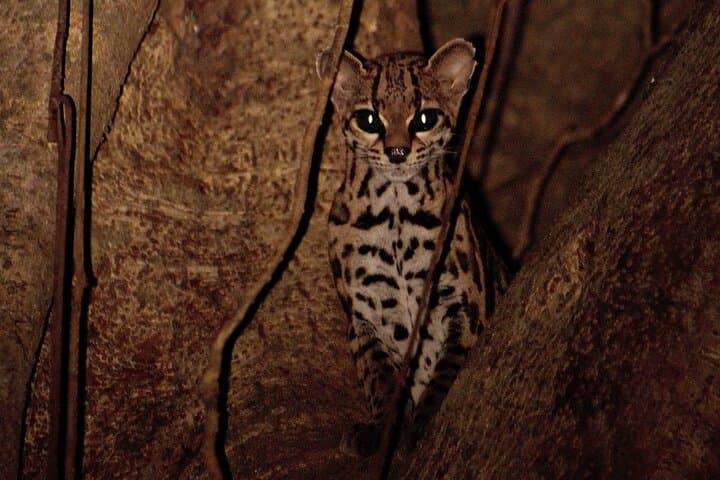
Ocelots are present in the region but extremely elusive at night; guides may spot tracks or signs, but sightings are rare.
Yes—operators note the activity is suitable for most fitness levels, though participants should be comfortable walking on uneven ground in low light.
Most tours provide flashlights and scopes; check the operator info for specifics, but bringing a personal headlamp is recommended.
Monteverde’s reserves began when local landowners set aside forest in the 1970s; since then the area has been central to cloud-forest research and community-based conservation.
Stay on trails and avoid flash photography to minimize disturbance; supporting licensed local guides helps fund protected-area management.
WILD Eco Tours operates guided outdoor trips and adventures with an emphasis on safety, stewardship, and memorable experiences.
The trail opens as a corridor of shadow and sound: a low fog threads through oak and laurel, leaves glisten under a headlamp beam, and the forest seems to breathe around you. On a two-hour night walk through a Monteverde cloud forest, guides slow the group to a hush so frogs, sleeping birds, and the slow chew of a sloth can step into focus.
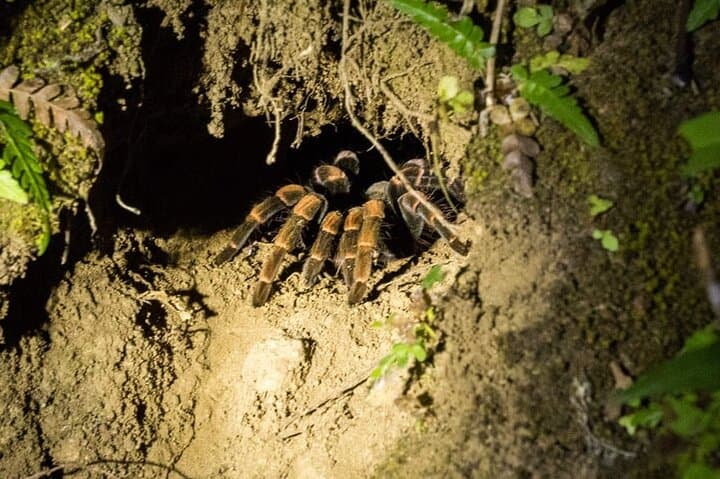
The trail opens as a corridor of shadow and sound: a low fog threads through oak and laurel, leaves glisten under a headlamp beam, and the forest seems to breathe around you. On a two-hour night walk through a Monteverde cloud forest, guides slow the group to a hush so frogs, sleeping birds, and the slow chew of a sloth can step into focus.
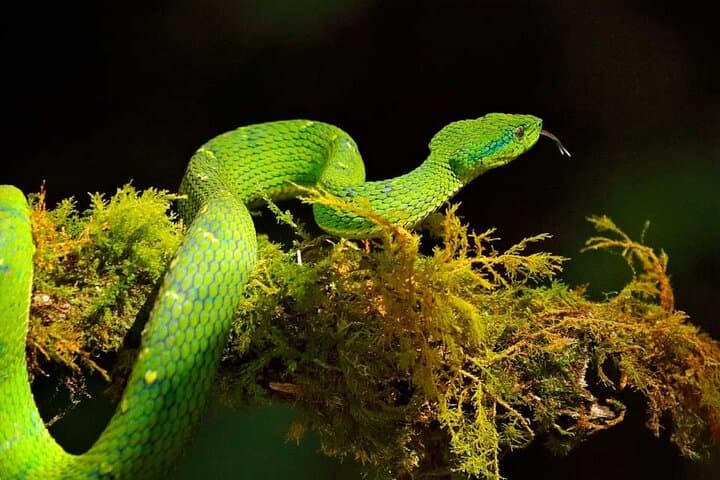
Cloud forests form where mountain humidity condenses against cool slopes; in Monteverde that mist-driven ecology supports epiphytes, moss-draped branches, and large strangler figs that tower above narrow paths. The area’s conservation story—local land set aside in the 1970s and developed into reserves—made this habitat a research and eco-tourism hub. Culture here blends Costa Rican small-town life with a strong emphasis on education: knowledgeable naturalist guides translate animal calls, point out reptile adaptations, and explain how species use night’s cover.
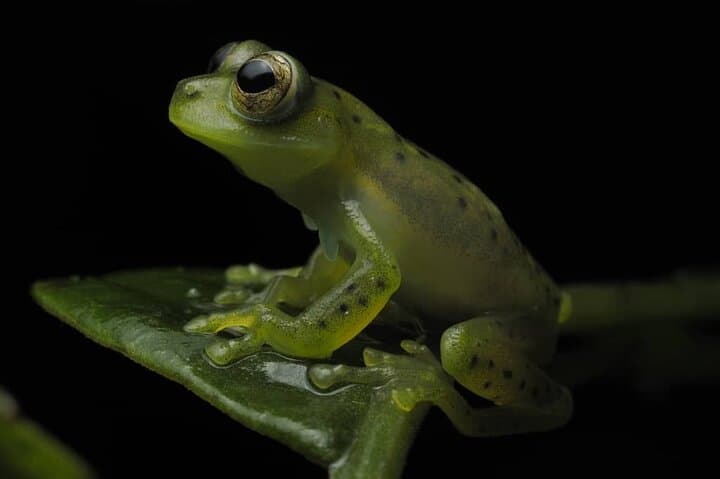
Expect uneven, root-strewn trails at elevations around 1,200–1,600 m, with short climbs and slick sections when wet. Groups are small (up to 16); flashlights and spotting scopes are typically provided, but quiet, steady movement is essential. Photography without flash preserves wildlife behavior. The reward is a close-up of nighttime specialists—tree frogs calling, moths brushing leaves, and the slow silhouette of a sloth in a fig tree.
Practical notes: wear sturdy, grippy shoes and a light rain shell, bring a small headlamp and water, and leave bright flash photography to daytime. A guided night walk in Monteverde is equal parts field classroom and suspense — it trains your eyes and patience, then rewards them with a world that only opens after dark.