
Night Turtle Tour at Tortuguero National Park: What to Expect (July–October)
Join a guided night watch on Tortuguero’s beaches during peak nesting season (July–October). Learn how guided, permit-based observation protects sea turtles while offering an intimate, lamp-free encounter with these ancient mariners.
An Adventure In Tortuguero Village.
Join a guided night watch on Tortuguero’s beaches during peak nesting season (July–October). Learn how guided, permit-based observation protects sea turtles while offering an intimate, lamp-free encounter with these ancient mariners.
Read the full experience
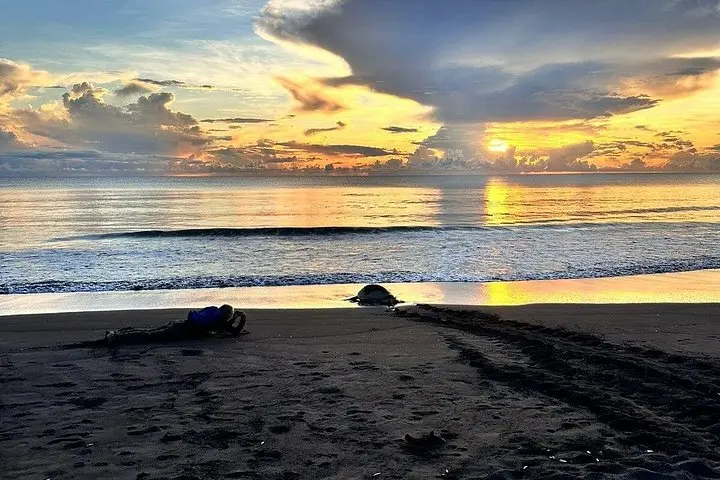
The beach is a black ribbon under a moon that often hides behind tropical clouds; waves push forward with a steady, patient insistence as the guide leads a small group away from village lights toward a sector of sand where sea turtles come to shore.
The beach is a black ribbon under a moon that often hides behind tropical clouds; waves push forward with a steady, patient insistence as the guide leads a small group away from village lights toward a sector of sand where sea turtles come to shore.
Tortuguero National Park on Costa Rica’s Caribbean coast is primarily low-lying coastal plain and beach—prime nesting habitat for green and leatherback turtles. The park’s protected status (established in the 1970s) and local conservation programs have made regulated night watches the norm: guides operate under a permit system, red lights only, and strict no-photo rules to protect the animals.
The tour runs July to October to match peak nesting and hatching activity. Cultural life in Tortuguero village revolves around the canals and conservation work; many guides are local residents trained in park protocols and biology, and boats are used for the sectors farther from the village.
Practically, meet at the Almond Dock in dark clothing and closed shoes. Expect a 2–2.5 hour outing with a possible taxi-boat transfer; sectors are assigned by park managers to limit crowding. Walking is on sand—sometimes soft and uphill back to the vegetation line—and mosquitoes and drizzle are common in the rainy season, so bring repellent and a lightweight rain layer. Photography and personal lights are prohibited; stay quiet, follow the guide’s red-light cues, and move slowly when a turtle is present.
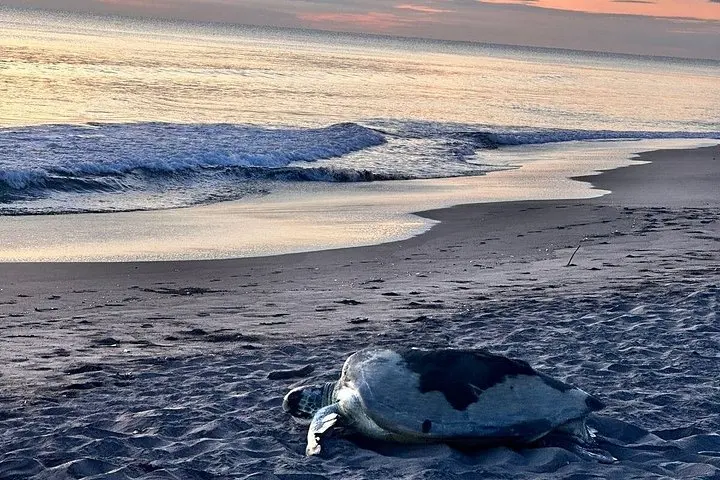
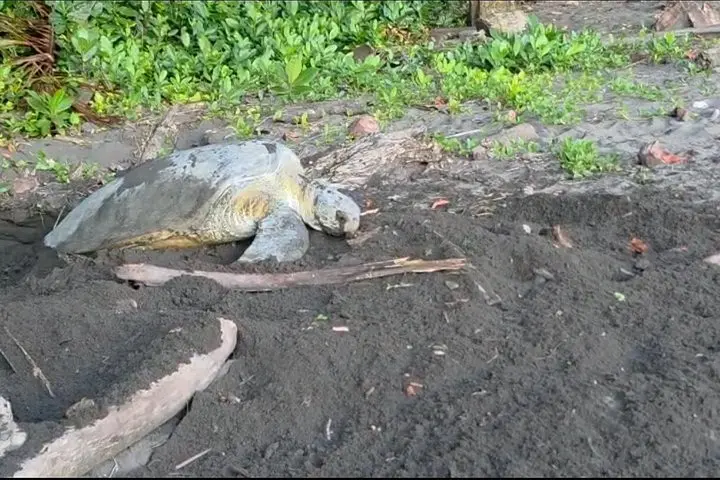
The experience is intimate and controlled: you won’t leave with photos, but you’ll retain a memory of an ancient rhythm—sea, sand, and a single massive form returning to lay eggs under the watchful quiet of conservation.
Frequently asked questions
No—personal photography and video are prohibited by park rules to avoid disorienting turtles; only guides may use approved red lighting.
July–October is peak season and sightings are common, but turtles are wild animals so sightings cannot be guaranteed; the park assigns sectors to maximize viewing and minimize disturbance.
Meet at the Almond Dock in Tortuguero village; the guide will confirm your specific time (8–10pm or 10pm–12am) on the day of the tour to comply with sector assignments.
The tour is suitable for many ages but requires walking on sand and possible boat transfers—notify the operator of special needs when booking so they can advise and assign appropriate sectors.
About This Experience
Joiska Tortuguero operates guided outdoor trips and adventures with an emphasis on safety, stewardship, and memorable experiences.
Adventure tips
Recommended gear
- Closed-toe shoes: Protects feet on sand, roots, and when boarding small taxi-boats.
- Dark, non-reflective clothing: Required to minimize disturbance to nesting turtles and to comply with guide instructions.
- Insect repellent (DEET or picaridin): Mosquitoes are common at night on the coast, especially during the rainy months.
- Lightweight waterproof jacket: Quick showers are frequent during July–October; a packable rain layer keeps you comfortable.
Photos of the experience
Related adventures & guides
Read the full experience
The beach is a black ribbon under a moon that often hides behind tropical clouds; waves push forward with a steady, patient insistence as the guide leads a small group away from village lights toward a sector of sand where sea turtles come to shore.
The beach is a black ribbon under a moon that often hides behind tropical clouds; waves push forward with a steady, patient insistence as the guide leads a small group away from village lights toward a sector of sand where sea turtles come to shore.
Tortuguero National Park on Costa Rica’s Caribbean coast is primarily low-lying coastal plain and beach—prime nesting habitat for green and leatherback turtles. The park’s protected status (established in the 1970s) and local conservation programs have made regulated night watches the norm: guides operate under a permit system, red lights only, and strict no-photo rules to protect the animals.
The tour runs July to October to match peak nesting and hatching activity. Cultural life in Tortuguero village revolves around the canals and conservation work; many guides are local residents trained in park protocols and biology, and boats are used for the sectors farther from the village.
Practically, meet at the Almond Dock in dark clothing and closed shoes. Expect a 2–2.5 hour outing with a possible taxi-boat transfer; sectors are assigned by park managers to limit crowding. Walking is on sand—sometimes soft and uphill back to the vegetation line—and mosquitoes and drizzle are common in the rainy season, so bring repellent and a lightweight rain layer. Photography and personal lights are prohibited; stay quiet, follow the guide’s red-light cues, and move slowly when a turtle is present.
The experience is intimate and controlled: you won’t leave with photos, but you’ll retain a memory of an ancient rhythm—sea, sand, and a single massive form returning to lay eggs under the watchful quiet of conservation.
Make a day of it nearby.
Verified experiences and guided adventures in the surrounding area.