THE ADVENTURE COLLECTIVE® · Independent discovery and booking for outdoor travel

Join a guided night patrol to witness sea turtles nesting and help relocate vulnerable nests to a protected nursery, then sleep in a Canvascamp tent and watch the coastal sunrise. This hands-on conservation experience pairs fieldwork with practical coastal camping.
Join a guided night patrol to witness sea turtles nesting and help relocate vulnerable nests to a protected nursery, then sleep in a Canvascamp tent and watch the coastal sunrise. This hands-on conservation experience pairs fieldwork with practical coastal camping.
The beach is low light and expansive: a dark ribbon of sand under a sky freckled with stars, waves ticking like a metronome as guides sweep the shoreline. Night patrols in Los Cabos ask more than quiet observation — they ask steady feet on soft sand and sleeves rolled up to help protect the next generation of sea turtles.
Verified experiences and guided adventures in the surrounding area.
Operated by Rancho Carisuva · Cabo San Lucas, Baja California Sur
The beach is low light and expansive: a dark ribbon of sand under a sky freckled with stars, waves ticking like a metronome as guides sweep the shoreline. Night patrols in Los Cabos ask more than quiet observation — they ask steady feet on soft sand and sleeves rolled up to help protect the next generation of sea turtles.
This coastline sits where the Sea of Cortez meets the Pacific, a meeting of currents that shapes local beaches and gives rise to seasonal nesting. Turtle protection programs here evolved from small community efforts in the 1990s into organized conservation projects led by marine biologists; volunteers now help relocate vulnerable clutches to guarded nurseries and catalog nesting females. The glamping Canvascamp at the patrol’s base offers a practical overnight option: simple beds, communal meals, and sunrise over the ocean.
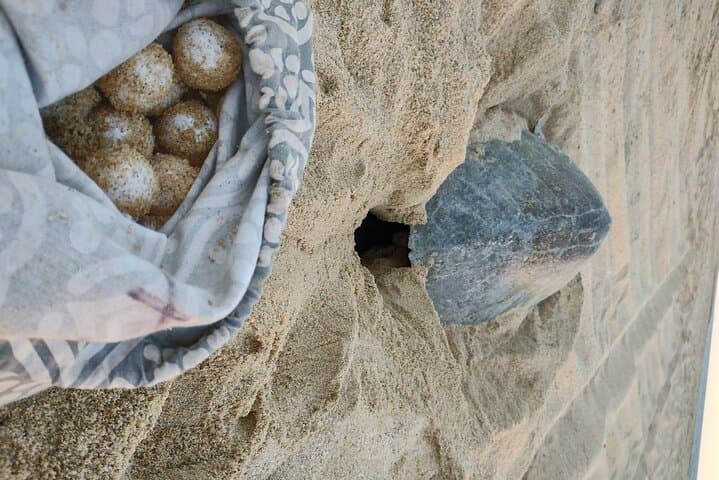
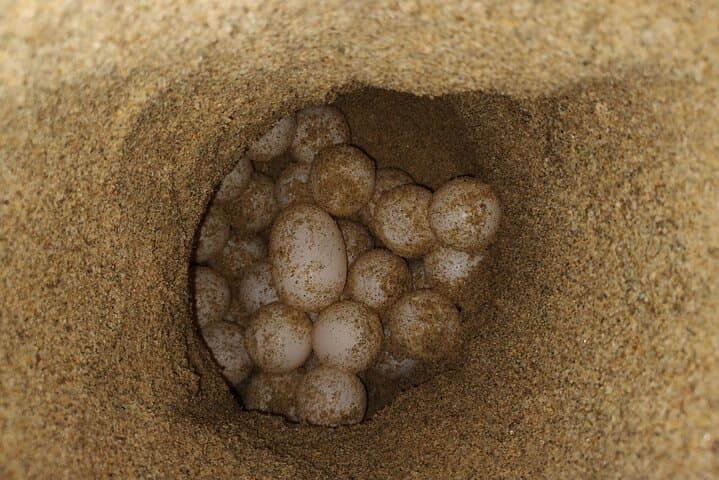
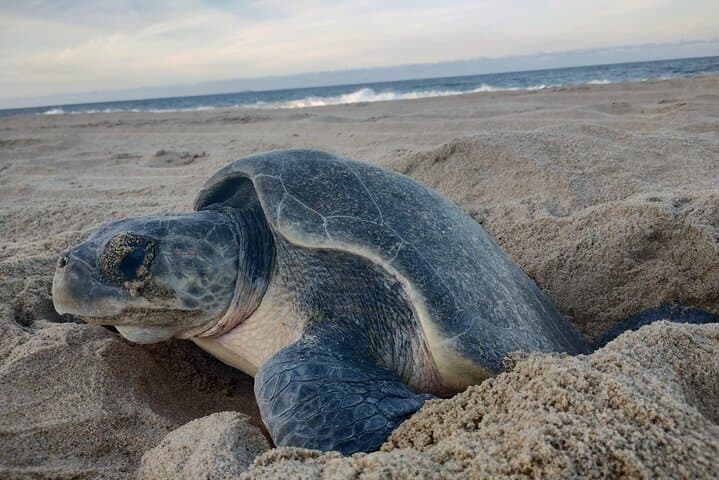
Expect long, low walks on uneven sand, occasional bending to transfer marked eggs, and close-up observation of nesting behavior under permit-regulated conditions. Guides explain species differences, predation risks, and the reasons for nest relocation — light reduction, predator exclusion, and safer incubation temperatures.
Practical guidance: wear closed-toe shoes, dark clothing, and a headlamp with a red filter; bring water and a small dry bag for phone storage. Plan for a late-night start and a very early finish at sunrise. Respect protocols around mothers and nests: no flash photography, keep voices low, and follow the biologist’s instructions. This is a hands-on conservation night that pairs fieldwork with simple coastal camping, rewarding participants with a direct role in local species recovery and an unfiltered coastal sunrise.
moderate.
12 hours (overnight night patrol).
Moderate fitness required—comfortable walking on sand and bending for short periods; not suitable for limited mobility.
Guides set safe observation distances to avoid stressing the animal; follow their instructions — touching is not allowed unless part of supervised relocation.
Age restrictions vary by operator, but many programs accept older children accompanied by adults; expect walking on sand and late hours.
Photography is often restricted during active nesting to prevent disturbance; ask guides when and how photos are allowed, and use red-filtered lights if permitted.
Eggs moved to the nursery are incubated in protected enclosures, monitored for temperature and predation risk, and recorded for later release when hatchlings emerge.
Local fishing villages historically coexisted with nesting beaches; conservation programs emerged as community-led responses to declining turtle numbers in the late 20th century.
Programs rely on nest relocation, night patrols, and light management to reduce hatchling disorientation; volunteers should practice leave-no-trace and follow all guidance to avoid harm.
Rancho Carisuva operates guided outdoor trips and adventures with an emphasis on safety, stewardship, and memorable experiences.
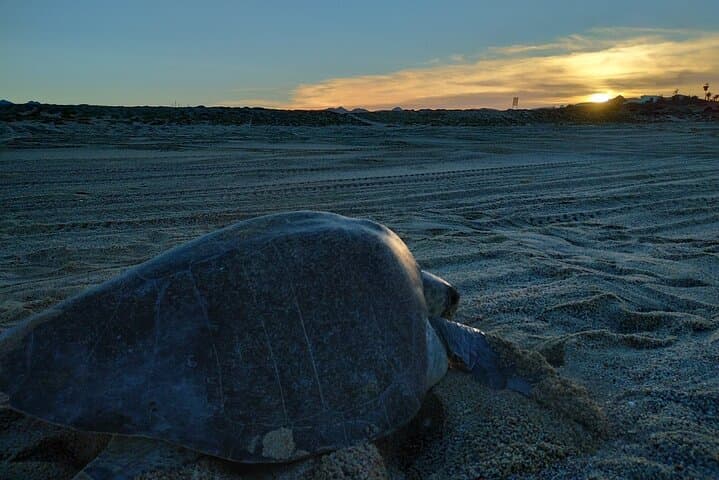
The beach is low light and expansive: a dark ribbon of sand under a sky freckled with stars, waves ticking like a metronome as guides sweep the shoreline. Night patrols in Los Cabos ask more than quiet observation — they ask steady feet on soft sand and sleeves rolled up to help protect the next generation of sea turtles.
The beach is low light and expansive: a dark ribbon of sand under a sky freckled with stars, waves ticking like a metronome as guides sweep the shoreline. Night patrols in Los Cabos ask more than quiet observation — they ask steady feet on soft sand and sleeves rolled up to help protect the next generation of sea turtles.
This coastline sits where the Sea of Cortez meets the Pacific, a meeting of currents that shapes local beaches and gives rise to seasonal nesting. Turtle protection programs here evolved from small community efforts in the 1990s into organized conservation projects led by marine biologists; volunteers now help relocate vulnerable clutches to guarded nurseries and catalog nesting females. The glamping Canvascamp at the patrol’s base offers a practical overnight option: simple beds, communal meals, and sunrise over the ocean.
Expect long, low walks on uneven sand, occasional bending to transfer marked eggs, and close-up observation of nesting behavior under permit-regulated conditions. Guides explain species differences, predation risks, and the reasons for nest relocation — light reduction, predator exclusion, and safer incubation temperatures.
Practical guidance: wear closed-toe shoes, dark clothing, and a headlamp with a red filter; bring water and a small dry bag for phone storage. Plan for a late-night start and a very early finish at sunrise. Respect protocols around mothers and nests: no flash photography, keep voices low, and follow the biologist’s instructions. This is a hands-on conservation night that pairs fieldwork with simple coastal camping, rewarding participants with a direct role in local species recovery and an unfiltered coastal sunrise.