THE ADVENTURE COLLECTIVE® · Independent discovery and booking for outdoor travel

Walk the dark beach of Sal Island with a local guide to watch loggerhead turtles come ashore, dig, and lay eggs. This small-group, three-hour evening tour blends patient observation with practical briefing and conservation-minded etiquette.
Walk the dark beach of Sal Island with a local guide to watch loggerhead turtles come ashore, dig, and lay eggs. This small-group, three-hour evening tour blends patient observation with practical briefing and conservation-minded etiquette.
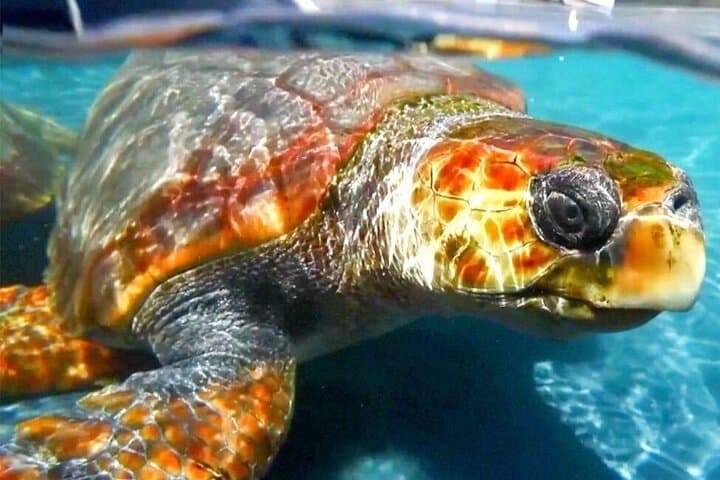
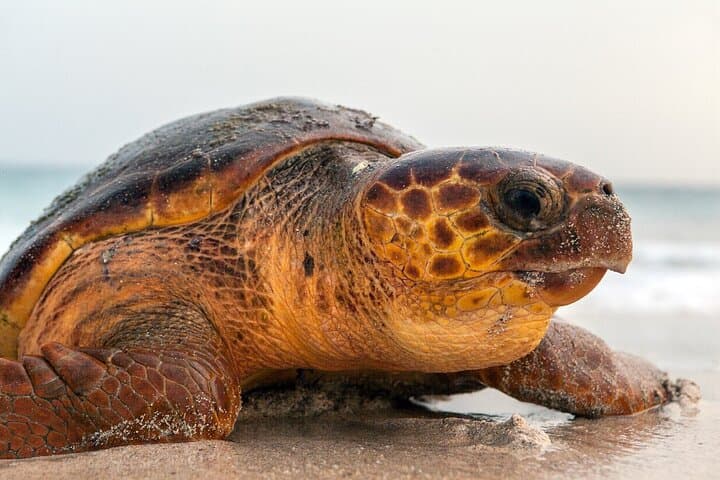
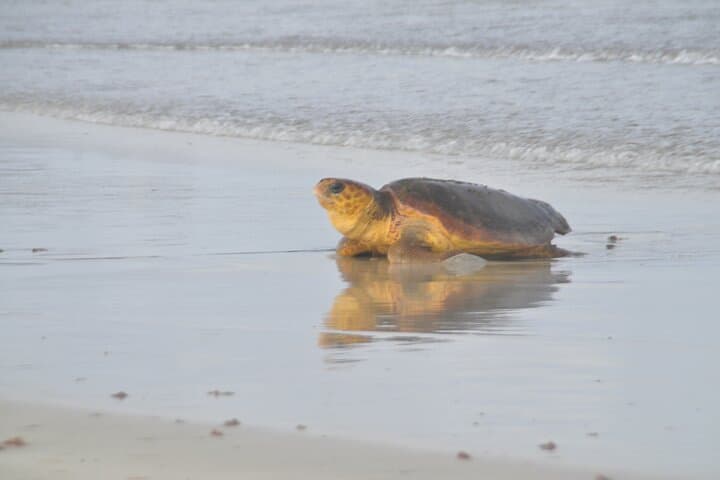
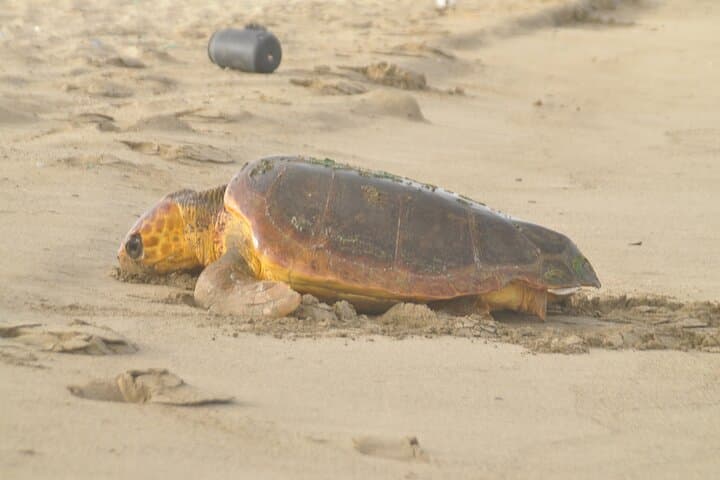
The beach at night flattens into a wide, dark stage where the surf hisses and the sky presses low. On Sal Island, guides lead small groups from Santa Maria toward the shoreline with soft lights and quiet steps; the aim is to witness an ancient ritual as loggerhead turtles come ashore to dig and lay eggs.
Verified experiences and guided adventures in the surrounding area.
Operated by Spot Travel Tours · Santa Maria, Sal
The beach at night flattens into a wide, dark stage where the surf hisses and the sky presses low. On Sal Island, guides lead small groups from Santa Maria toward the shoreline with soft lights and quiet steps; the aim is to witness an ancient ritual as loggerhead turtles come ashore to dig and lay eggs.
Geology here is stark—black volcanic rock meets pale sand formed from coral fragments and wind-blown shell. Sal’s salt pans and volcanic craters speak to a maritime history that shaped local livelihoods: salt extraction at Pedra de Lume and years of seafaring made the island a waypoint in the Atlantic. Culturally, Santa Maria is a fishing town where evenings are measured by the tide and the catch; turtle walks now coexist with growing conservation awareness.
Expect a slow, patient rhythm: a guide briefing, a quiet wait, then the long, deliberate crawl of a turtle up the beach. The animal chooses, scrapes, lays 65–100 eggs, covers and camouflages the nest before returning to the sea. Observing requires stillness, low light, and respect for distance; the experience is as much about restraint as sight.
Practical guidance: wear closed-toe shoes for walking on cool, uneven sand, bring a small red-filtered headlamp or use your phone’s red-light mode, and plan for cooler breezes after sunset. Tours typically last about three hours with hotel pickup in Santa Maria. Follow your guide’s instructions—minimal noise, no flashes, and no interference with nesting turtles—so future groups can keep watching this natural event.
moderate.
2.5–3 hours.
Comfortable with 20–40 minutes of walking on sand and standing quietly for long periods; moderate fitness recommended.
No—handling or touching nesting turtles is prohibited to avoid stressing them and risking injury; guides enforce respectful distances.
Pickup is typically around 20:00 with the full activity lasting about three hours, returning you to Santa Maria late in the evening.
Families may attend, but infants and very young children may struggle with night conditions and the need for silence; check with the tour operator about infant seats and age policies.
No—turtles are wild and may not nest if they don’t feel safe or conditions aren’t right; guides can explain alternatives and conservation work if none appear.
Sal’s economy grew around salt extraction and maritime traffic; Pedra de Lume’s salt pans are a remnant of that 19th–20th century industry and shaped settlement patterns.
Nesting beaches are vulnerable to light pollution and disturbance; tours that follow strict guidelines help protect nests and support local monitoring programs.
Spot Travel Tours operates guided outdoor trips and adventures with an emphasis on safety, stewardship, and memorable experiences.
The beach at night flattens into a wide, dark stage where the surf hisses and the sky presses low. On Sal Island, guides lead small groups from Santa Maria toward the shoreline with soft lights and quiet steps; the aim is to witness an ancient ritual as loggerhead turtles come ashore to dig and lay eggs.
The beach at night flattens into a wide, dark stage where the surf hisses and the sky presses low. On Sal Island, guides lead small groups from Santa Maria toward the shoreline with soft lights and quiet steps; the aim is to witness an ancient ritual as loggerhead turtles come ashore to dig and lay eggs.
Geology here is stark—black volcanic rock meets pale sand formed from coral fragments and wind-blown shell. Sal’s salt pans and volcanic craters speak to a maritime history that shaped local livelihoods: salt extraction at Pedra de Lume and years of seafaring made the island a waypoint in the Atlantic. Culturally, Santa Maria is a fishing town where evenings are measured by the tide and the catch; turtle walks now coexist with growing conservation awareness.
Expect a slow, patient rhythm: a guide briefing, a quiet wait, then the long, deliberate crawl of a turtle up the beach. The animal chooses, scrapes, lays 65–100 eggs, covers and camouflages the nest before returning to the sea. Observing requires stillness, low light, and respect for distance; the experience is as much about restraint as sight.
Practical guidance: wear closed-toe shoes for walking on cool, uneven sand, bring a small red-filtered headlamp or use your phone’s red-light mode, and plan for cooler breezes after sunset. Tours typically last about three hours with hotel pickup in Santa Maria. Follow your guide’s instructions—minimal noise, no flashes, and no interference with nesting turtles—so future groups can keep watching this natural event.