THE ADVENTURE COLLECTIVE® · Independent discovery and booking for outdoor travel

Step into Holbox’s darkest nights and watch the lagoon ignite under your hands. This guided Punta Cocos tour times departures for moonless darkness to showcase dazzling bioluminescent plankton — swimming optional, wonder guaranteed.
Step into Holbox’s darkest nights and watch the lagoon ignite under your hands. This guided Punta Cocos tour times departures for moonless darkness to showcase dazzling bioluminescent plankton — swimming optional, wonder guaranteed.
The night swallows sound as the van eases onto the sandy track toward Punta Cocos, and the island exhales: cool salt air, distant mangroves, and a sky so dark the water seems to claim its own light. Guided groups step off the shore and into a shallow lagoon where every ripple answers with a neon pulse — microscopic plankton lighting up like a secret the sea keeps to itself.
Verified experiences and guided adventures in the surrounding area.
Operated by Get Routa · Holbox, Quintana Roo
The night swallows sound as the van eases onto the sandy track toward Punta Cocos, and the island exhales: cool salt air, distant mangroves, and a sky so dark the water seems to claim its own light. Guided groups step off the shore and into a shallow lagoon where every ripple answers with a neon pulse — microscopic plankton lighting up like a secret the sea keeps to itself.
Holbox sits on the northern edge of the Yucatán Peninsula, a low-lying barrier island formed by sand and mangrove that has long supported fishing communities and seasonal migratory birds. Geologically young and flat, its lagoons and channels concentrate nutrients that let bioluminescent dinoflagellates bloom on calm, moonless nights. The island’s culture remains relaxed and practical: local guides combine natural history with constellation lore and a respect for the fragile lagoon.
Expect a short walk from the pickup point, low knee-deep water at best, and guided explanations about the organisms that glow when disturbed. The tour schedule is deliberately flexible—organizers time departures around moon phase and darkness, often between 7:00 pm and the early morning hours. Swimming is allowed but avoid lotions, sunscreens, and soaps that harm plankton and mangroves. Bring a waterproof camera or phone in a dry bag, a small headlamp (covered or red filter), and a light layer for marine breezes.
This is a soft-adventure, sensory nightwatch: quiet movement, whispered explanations, and waves that answer like distant fireflies. Plan for late nights, follow your guide’s low-light rules, and leave the water as bright as you found it.
easy.
1–1.5 hours.
Suitable for most fitness levels; expect short walks on sand and shallow wading.
The brightest displays occur on moonless nights during the warmer months (roughly June–September) with calm seas and little wind.
Yes—swimming is usually allowed, but guides request no lotions, oils, or soaps that could harm the lagoon; follow their safety instructions at all times.
The activity itself runs about 90 minutes; pickup and drop-off from island accommodations are included so total time depends on your hotel’s distance from the meeting point.
No—tours can be canceled for poor weather, rough seas, or bright moonlight; operators typically notify guests in advance and offer refunds within their policy.
Holbox has been a small fishing and migratory-bird hunting community with Maya-era connections; its remoteness preserved traditional livelihoods and low-impact tourism.
Light pollution and chemical runoff threaten bioluminescent displays; local guides and operators emphasize low-impact practices and discourage soaps, plastics, and unnecessary lights.
Get Routa operates guided outdoor trips and adventures with an emphasis on safety, stewardship, and memorable experiences.
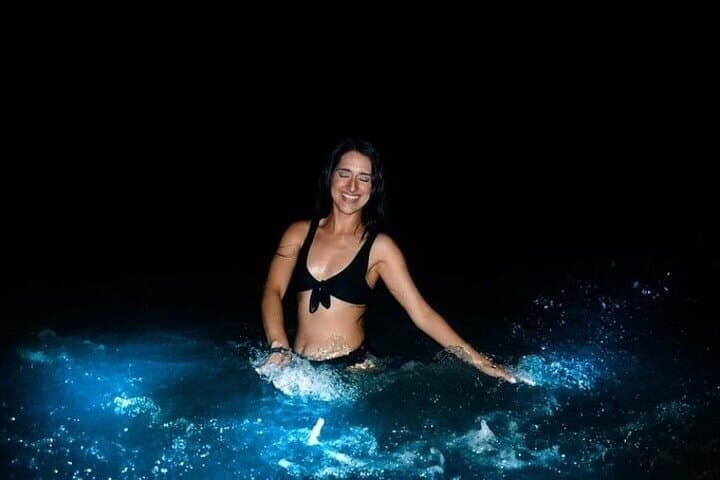
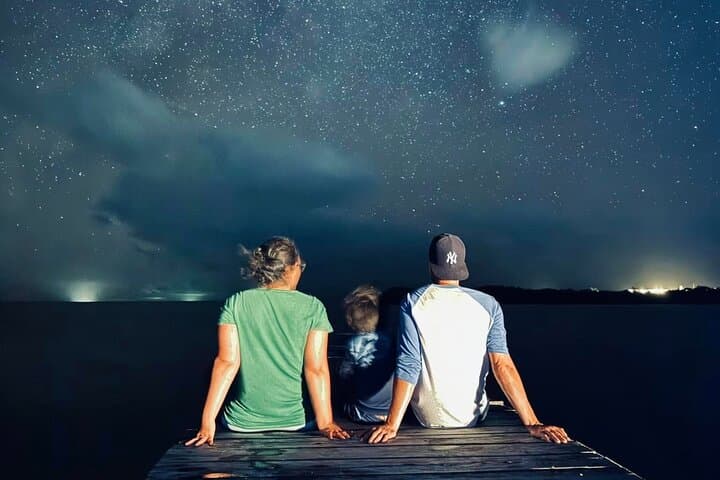
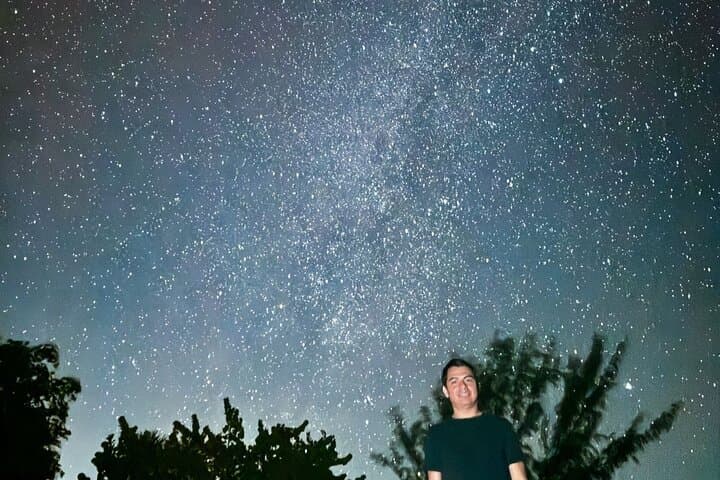
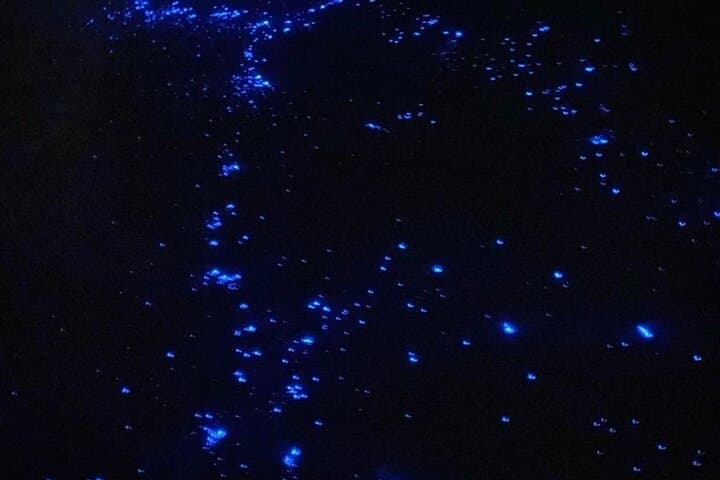
The night swallows sound as the van eases onto the sandy track toward Punta Cocos, and the island exhales: cool salt air, distant mangroves, and a sky so dark the water seems to claim its own light. Guided groups step off the shore and into a shallow lagoon where every ripple answers with a neon pulse — microscopic plankton lighting up like a secret the sea keeps to itself.
The night swallows sound as the van eases onto the sandy track toward Punta Cocos, and the island exhales: cool salt air, distant mangroves, and a sky so dark the water seems to claim its own light. Guided groups step off the shore and into a shallow lagoon where every ripple answers with a neon pulse — microscopic plankton lighting up like a secret the sea keeps to itself.
Holbox sits on the northern edge of the Yucatán Peninsula, a low-lying barrier island formed by sand and mangrove that has long supported fishing communities and seasonal migratory birds. Geologically young and flat, its lagoons and channels concentrate nutrients that let bioluminescent dinoflagellates bloom on calm, moonless nights. The island’s culture remains relaxed and practical: local guides combine natural history with constellation lore and a respect for the fragile lagoon.
Expect a short walk from the pickup point, low knee-deep water at best, and guided explanations about the organisms that glow when disturbed. The tour schedule is deliberately flexible—organizers time departures around moon phase and darkness, often between 7:00 pm and the early morning hours. Swimming is allowed but avoid lotions, sunscreens, and soaps that harm plankton and mangroves. Bring a waterproof camera or phone in a dry bag, a small headlamp (covered or red filter), and a light layer for marine breezes.
This is a soft-adventure, sensory nightwatch: quiet movement, whispered explanations, and waves that answer like distant fireflies. Plan for late nights, follow your guide’s low-light rules, and leave the water as bright as you found it.