THE ADVENTURE COLLECTIVE® · Independent discovery and booking for outdoor travel

Step into the warm hush of a West Cork night and watch the Atlantic light up beneath your hands. This guided, shore-based bioluminescent swim pairs a brief dip with storytelling and science—ideal for curious travelers who can swim and want a quiet, memorable encounter.
Step into the warm hush of a West Cork night and watch the Atlantic light up beneath your hands. This guided, shore-based bioluminescent swim pairs a brief dip with storytelling and science—ideal for curious travelers who can swim and want a quiet, memorable encounter.
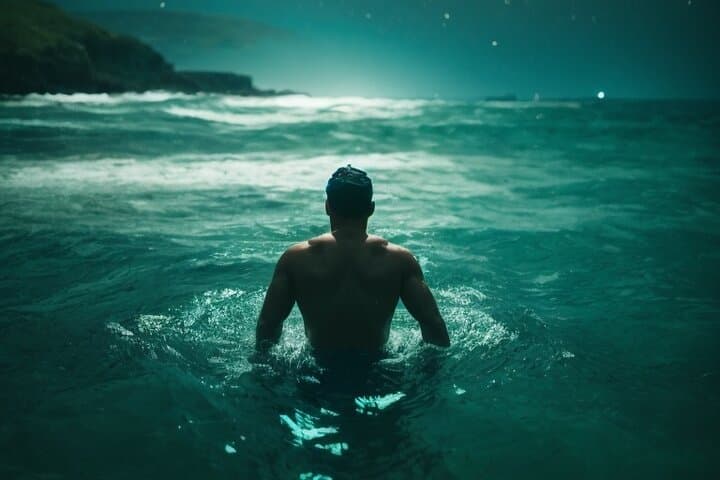
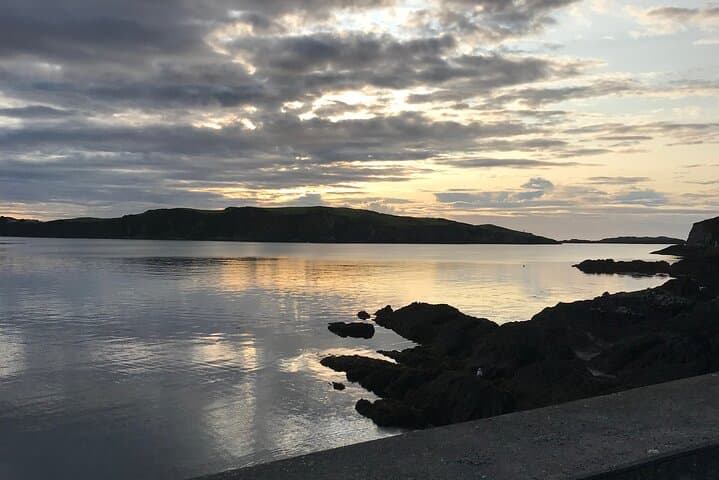
The Atlantic breathes cool and steady as dusk settles over a narrow West Cork cove—salt on your lips, sand still warm where daylight held it. When darkness deepens the water starts to react, each small movement igniting a soft blue-green trace that seems to answer the hand that parts it. Guides keep a respectful hush; you slip into shallow water with a wetsuit and buoy, and the sea, playful and ancient, dares you to move.
Verified experiences and guided adventures in the surrounding area.
Operated by Gormú · Baltimore, County Cork
The Atlantic breathes cool and steady as dusk settles over a narrow West Cork cove—salt on your lips, sand still warm where daylight held it. When darkness deepens the water starts to react, each small movement igniting a soft blue-green trace that seems to answer the hand that parts it. Guides keep a respectful hush; you slip into shallow water with a wetsuit and buoy, and the sea, playful and ancient, dares you to move.
This stretch of Cork’s coastline is geological proof of the ocean’s restlessness—granite headlands and pebble bays carved by tides and glaciation—and a cultural landscape shaped by fishing and maritime lore. The experience uses naturally occurring bioluminescent dinoflagellates often seen on calm summer nights; locals have long woven sightings into seafaring tales and seasonal festivals. Guides blend science and story, explaining the organism’s life cycle and why new-moon darkness, low wind, and slightly warmer surface temperatures increase chances of a show.
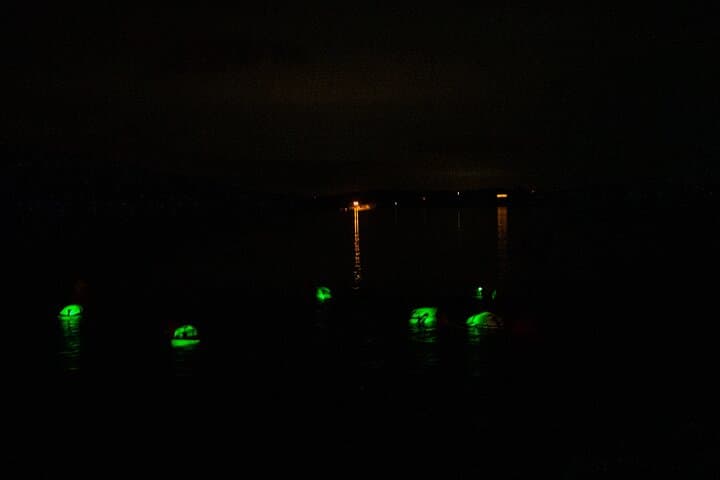
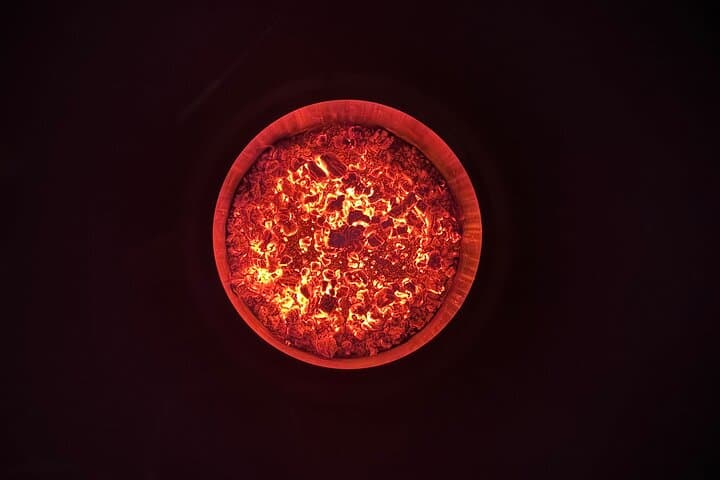
Practical notes: the swim stays close to shore in waist- to chest-deep water, so basic swimming skill is required though no advanced training is necessary. Wetsuits, illuminated swim buoys, goggles and a supervised fire pit with hot drinks are provided. Plan for a 2-hour window after full nightfall—arrive with dry clothes and a headlamp, and avoid lotions or soaps that could disturb the water. Respect the habitat: stay within guided zones, keep noise and lights low, and follow guide instructions for re-entry and exit.
This is a short, intimate marine encounter—part natural history lesson, part night swim—best experienced when the sky is dark and the Atlantic answers your movements with light.
easy.
2 hours.
Basic swimming ability required; suitable for most reasonably fit people without cardiovascular or spinal conditions.
No—this swim is conducted in shallow, nearshore water and is suitable for people with basic swimming skills, but participants must be able to swim unassisted.
Calmer nights with little wind, after the sky is fully dark and around new-moon phases, increase the likelihood of good displays.
Policies vary; children must be competent swimmers and accompanied by adults—check the operator's age restrictions during booking.
Avoid lotions, soaps, and bright white lights—these can reduce visibility of the bioluminescence and disturb the nearshore ecosystem.
West Cork’s coves and inlets were shaped by glacial activity and centuries of fishing; many local place names and stories reference the sea’s central role in community life.
Operators limit group sizes, avoid bright lights, and emphasize leave-no-trace practices—respecting nearshore habitats and preventing chemical contamination is crucial for preserving bioluminescent events.
Gormú operates guided outdoor trips and adventures with an emphasis on safety, stewardship, and memorable experiences.
The Atlantic breathes cool and steady as dusk settles over a narrow West Cork cove—salt on your lips, sand still warm where daylight held it. When darkness deepens the water starts to react, each small movement igniting a soft blue-green trace that seems to answer the hand that parts it. Guides keep a respectful hush; you slip into shallow water with a wetsuit and buoy, and the sea, playful and ancient, dares you to move.
The Atlantic breathes cool and steady as dusk settles over a narrow West Cork cove—salt on your lips, sand still warm where daylight held it. When darkness deepens the water starts to react, each small movement igniting a soft blue-green trace that seems to answer the hand that parts it. Guides keep a respectful hush; you slip into shallow water with a wetsuit and buoy, and the sea, playful and ancient, dares you to move.
This stretch of Cork’s coastline is geological proof of the ocean’s restlessness—granite headlands and pebble bays carved by tides and glaciation—and a cultural landscape shaped by fishing and maritime lore. The experience uses naturally occurring bioluminescent dinoflagellates often seen on calm summer nights; locals have long woven sightings into seafaring tales and seasonal festivals. Guides blend science and story, explaining the organism’s life cycle and why new-moon darkness, low wind, and slightly warmer surface temperatures increase chances of a show.
Practical notes: the swim stays close to shore in waist- to chest-deep water, so basic swimming skill is required though no advanced training is necessary. Wetsuits, illuminated swim buoys, goggles and a supervised fire pit with hot drinks are provided. Plan for a 2-hour window after full nightfall—arrive with dry clothes and a headlamp, and avoid lotions or soaps that could disturb the water. Respect the habitat: stay within guided zones, keep noise and lights low, and follow guide instructions for re-entry and exit.
This is a short, intimate marine encounter—part natural history lesson, part night swim—best experienced when the sky is dark and the Atlantic answers your movements with light.