THE ADVENTURE COLLECTIVE® · Independent discovery and booking for outdoor travel

Experience the Milky Way from the world's largest salt flat on a private, guided night tour of Salar de Uyuni. Learn southern constellations, use telescopes and prisms, and try astrophotography beneath an enormous, pollution-free sky.
Experience the Milky Way from the world's largest salt flat on a private, guided night tour of Salar de Uyuni. Learn southern constellations, use telescopes and prisms, and try astrophotography beneath an enormous, pollution-free sky.
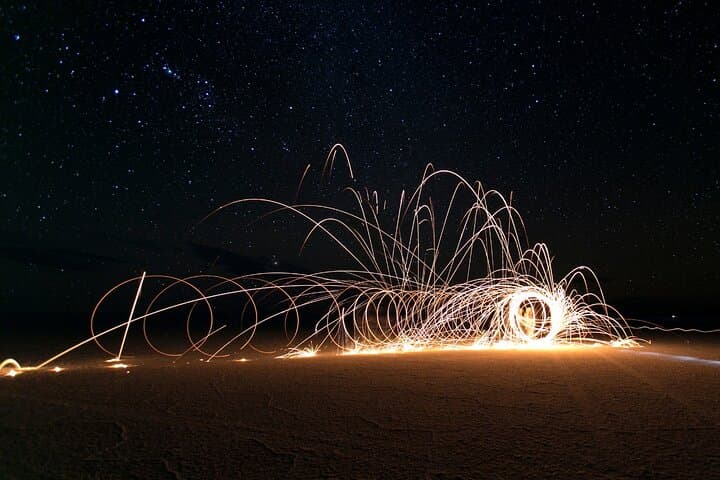
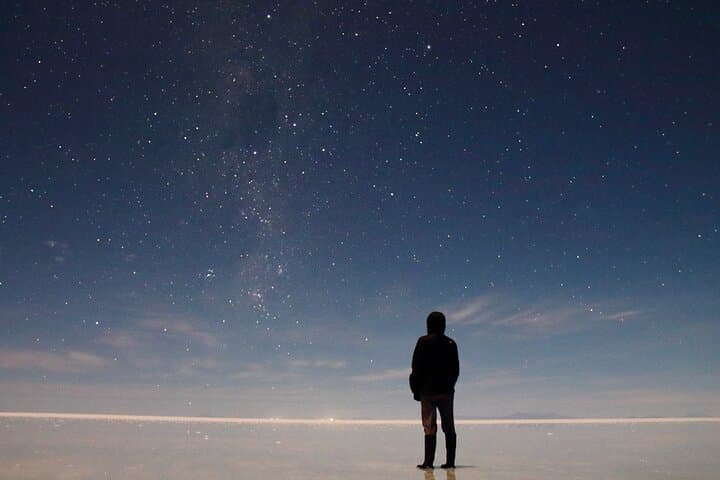
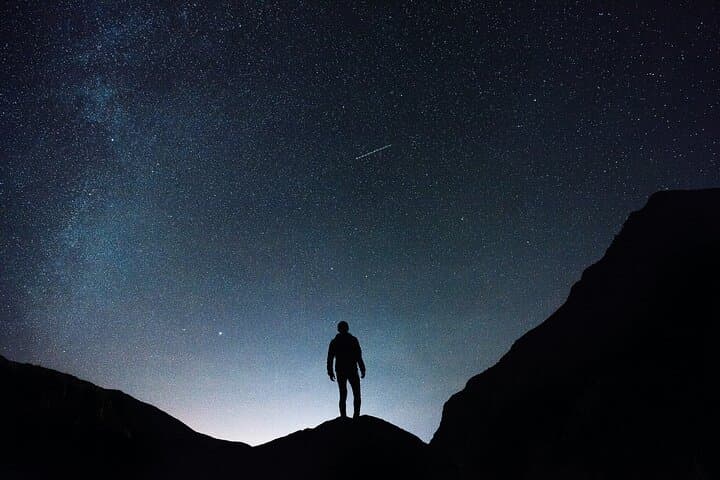
You step out of a low-profile 4x4 and the world tilts into a vault of stars; the salt underfoot reflects a faint, otherworldly glow while a fierce Andean wind nudges your jacket. At 3,656 m (11,995 ft), the Salar de Uyuni strips away city light and air pollution, leaving the Milky Way so bright it feels within arm’s reach.
Verified experiences and guided adventures in the surrounding area.
Operated by Mundicontact Expeditions · Uyuni, Potosí Department
You step out of a low-profile 4x4 and the world tilts into a vault of stars; the salt underfoot reflects a faint, otherworldly glow while a fierce Andean wind nudges your jacket. At 3,656 m (11,995 ft), the Salar de Uyuni strips away city light and air pollution, leaving the Milky Way so bright it feels within arm’s reach.
The salt flat is the remnant of prehistoric lakes that left a hard, cracked crust of salt and hexagonal plates. Local Aymara and Quechua communities still harvest salt in nearby Colchani, and myths tied to Volcán Tunupa thread the landscape into local cosmology — a fitting backdrop for learning southern constellations and Andean sky lore.
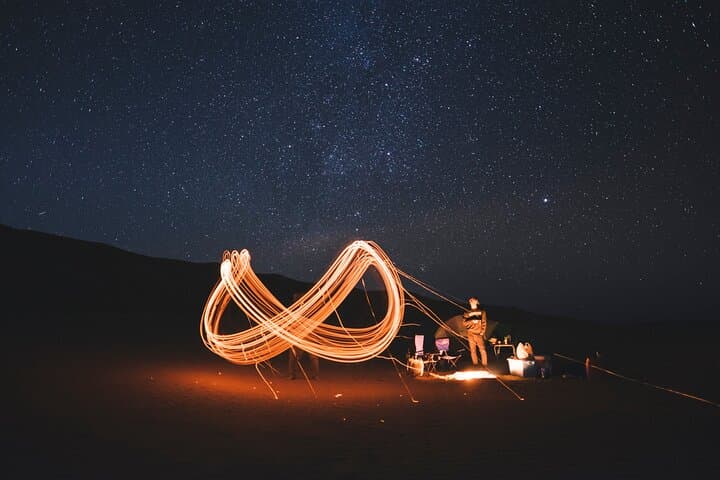
This private night tour divides time between short, guided astronomy lessons, naked-eye identification of cardinal points and zodiacal constellations, and closer inspection through prisms and binoculars. Guides point out planets, binary stars, open clusters and globular clusters and help you attempt basic astrophotography before a late return to Uyuni.
Practical notes: do this on clear, dry nights between April–October for the sharpest sky views; the wet season (Dec–Mar) can create the mirror effect but brings clouds and mud. Expect temperatures near freezing or below at night — layering and a thermos matter more than long hikes. Altitude can affect breathing and energy; take it slow, hydrate, and avoid heavy meals right before. Bring a tripod, fast lens, and a headlamp with a red filter to protect night vision. With a private vehicle and bilingual guide, this is an accessible, unforgettable way to put the southern sky on display.
easy.
4–5 hours.
Minimal walking; suitable for most fitness levels but expect reduced stamina at high altitude.
The clearest views are during the dry season (May–October) on moonless nights; winter months typically offer the most stable skies.
Yes—Salar de Uyuni sits around 3,656 m; acclimatize in Uyuni, hydrate, avoid alcohol beforehand, and inform guides of any health issues.
No — the tour is designed with minimal walking; most observation takes place in short, accessible stops on the salt surface.
Guides typically bring prisms and some optics; bring your own binoculars or camera gear for closer views and photography.
The salt flat is the remnant of prehistoric lakes and has long been a source of salt and lithium; nearby communities maintain traditional harvesting practices.
The salt crust and fragile high‑altitude ecosystems are vulnerable to vehicle damage and waste—stick to established routes, pack out trash, and respect local guides.
Mundicontact Expeditions operates guided outdoor trips and adventures with an emphasis on safety, stewardship, and memorable experiences.
You step out of a low-profile 4x4 and the world tilts into a vault of stars; the salt underfoot reflects a faint, otherworldly glow while a fierce Andean wind nudges your jacket. At 3,656 m (11,995 ft), the Salar de Uyuni strips away city light and air pollution, leaving the Milky Way so bright it feels within arm’s reach.
You step out of a low-profile 4x4 and the world tilts into a vault of stars; the salt underfoot reflects a faint, otherworldly glow while a fierce Andean wind nudges your jacket. At 3,656 m (11,995 ft), the Salar de Uyuni strips away city light and air pollution, leaving the Milky Way so bright it feels within arm’s reach.
The salt flat is the remnant of prehistoric lakes that left a hard, cracked crust of salt and hexagonal plates. Local Aymara and Quechua communities still harvest salt in nearby Colchani, and myths tied to Volcán Tunupa thread the landscape into local cosmology — a fitting backdrop for learning southern constellations and Andean sky lore.
This private night tour divides time between short, guided astronomy lessons, naked-eye identification of cardinal points and zodiacal constellations, and closer inspection through prisms and binoculars. Guides point out planets, binary stars, open clusters and globular clusters and help you attempt basic astrophotography before a late return to Uyuni.
Practical notes: do this on clear, dry nights between April–October for the sharpest sky views; the wet season (Dec–Mar) can create the mirror effect but brings clouds and mud. Expect temperatures near freezing or below at night — layering and a thermos matter more than long hikes. Altitude can affect breathing and energy; take it slow, hydrate, and avoid heavy meals right before. Bring a tripod, fast lens, and a headlamp with a red filter to protect night vision. With a private vehicle and bilingual guide, this is an accessible, unforgettable way to put the southern sky on display.