THE ADVENTURE COLLECTIVE® · Independent discovery and booking for outdoor travel

Slide into the Adriatic after dark and watch the water come alive—bioluminescent plankton, octopus, and pipefish reveal themselves in a guided night-snorkel off Krk. This four-hour experience pairs beginner-friendly instruction with a rare marine spectacle.
Slide into the Adriatic after dark and watch the water come alive—bioluminescent plankton, octopus, and pipefish reveal themselves in a guided night-snorkel off Krk. This four-hour experience pairs beginner-friendly instruction with a rare marine spectacle.
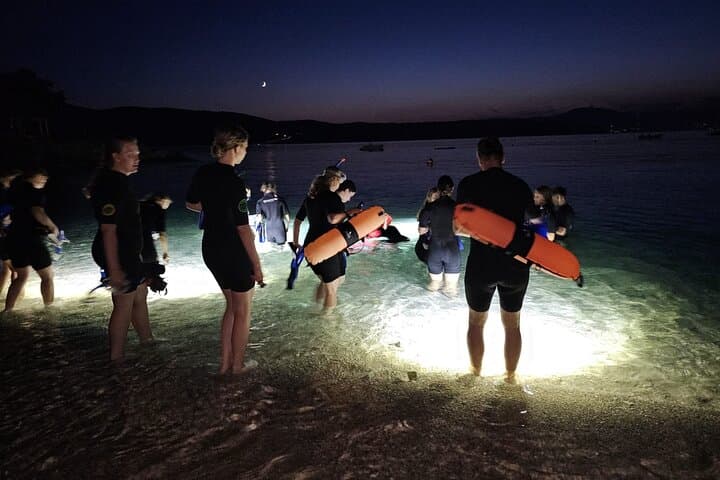
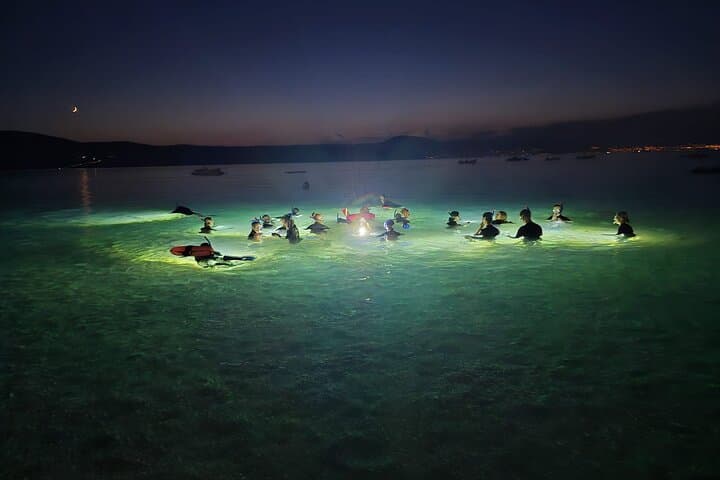
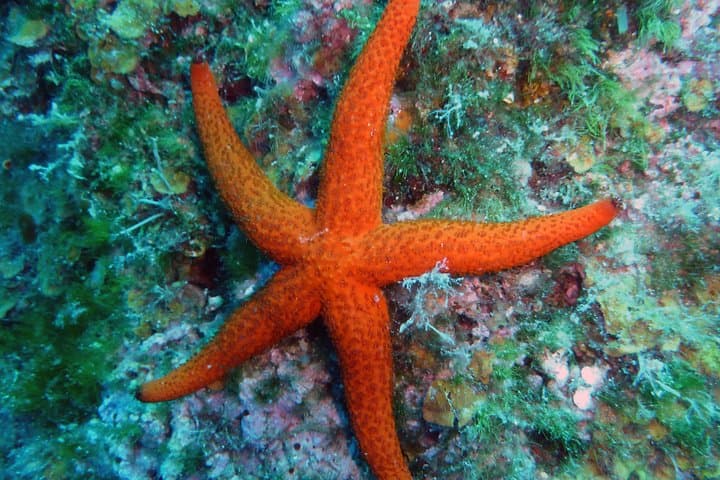
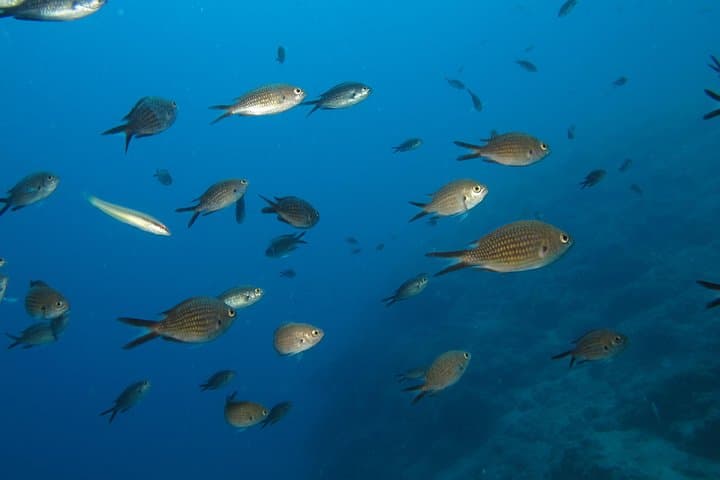
When the sun drops behind the limestone ridges of Krk, the Adriatic changes character: black water that suddenly answers to a fingertip, throwing back turquoise flashes. You slip into the water under a dome of stars, guided by instructors whose torches pick out octopus tucked into crevices and pipefish drifting like slow comets. The real show is the bioluminescent plankton—tiny organisms that flare under movement, turning each stroke into a brief, electric trail.
Verified experiences and guided adventures in the surrounding area.
Operated by I.R.T.D.A. d.o.o. · Krk, Primorje-Gorski Kotar
When the sun drops behind the limestone ridges of Krk, the Adriatic changes character: black water that suddenly answers to a fingertip, throwing back turquoise flashes. You slip into the water under a dome of stars, guided by instructors whose torches pick out octopus tucked into crevices and pipefish drifting like slow comets. The real show is the bioluminescent plankton—tiny organisms that flare under movement, turning each stroke into a brief, electric trail.
Krk sits on an ancient karst shelf shaped by Dinaric uplift and Adriatic sea-level cycles; Roman roads and medieval fishing hamlets still mark the coast. Local culture blends island fishing traditions with a growing ecotourism scene—night snorkeling is a modern way to meet old marine rhythms.
Practical notes: this is a guided, roughly four-hour outing with equipment provided and instruction for beginners. Expect uneven rocky entry points and surface conditions that can shift with wind; wetsuits may be recommended in spring and fall. Safety briefings cover buddy procedures and low-impact behavior—avoid bright lights and chemical sunscreens that can harm plankton. Timing matters: calm, dark nights after the moon sets offer the strongest glow.
Bring a charged waterproof torch for exit, a snug mask, and a warm layer for after the swim. Be ready to float and move deliberately—night snorkeling is slow, sensory, and best when you let the sea respond to you. For photographers, minimal light and long exposures are the rule; for everyone else, focus on the living light show beneath your hands.
moderate.
3–4 hours.
Suitable for those comfortable in open water and able to swim short distances; basic snorkeling fitness required.
Yes—this tour is guided and suitable for beginners; instructors provide a safety briefing, buddy system, and close supervision throughout the outing.
Bioluminescence depends on plankton concentrations, water movement, and light conditions; many nights show glow but intensity varies—darker, calmer nights after moonset are best.
Snorkeling equipment is provided according to the tour listing; wetsuit availability may vary, so check with the operator if you need one or prefer to bring your own.
The operator will cancel in unsafe sea or weather conditions; their policy allows full refund if canceled at least 24 hours before or if the tour is called off due to weather.
Krk Island has been inhabited since prehistoric times and was an important Roman and medieval maritime hub; fishing traditions remain part of local life.
Tours emphasize low-impact practices—avoid bright lights, use reef-safe products, and follow guide instructions to minimize disturbance to sensitive nocturnal species.
I.R.T.D.A. d.o.o. operates guided outdoor trips and adventures with an emphasis on safety, stewardship, and memorable experiences.
When the sun drops behind the limestone ridges of Krk, the Adriatic changes character: black water that suddenly answers to a fingertip, throwing back turquoise flashes. You slip into the water under a dome of stars, guided by instructors whose torches pick out octopus tucked into crevices and pipefish drifting like slow comets. The real show is the bioluminescent plankton—tiny organisms that flare under movement, turning each stroke into a brief, electric trail.
When the sun drops behind the limestone ridges of Krk, the Adriatic changes character: black water that suddenly answers to a fingertip, throwing back turquoise flashes. You slip into the water under a dome of stars, guided by instructors whose torches pick out octopus tucked into crevices and pipefish drifting like slow comets. The real show is the bioluminescent plankton—tiny organisms that flare under movement, turning each stroke into a brief, electric trail.
Krk sits on an ancient karst shelf shaped by Dinaric uplift and Adriatic sea-level cycles; Roman roads and medieval fishing hamlets still mark the coast. Local culture blends island fishing traditions with a growing ecotourism scene—night snorkeling is a modern way to meet old marine rhythms.
Practical notes: this is a guided, roughly four-hour outing with equipment provided and instruction for beginners. Expect uneven rocky entry points and surface conditions that can shift with wind; wetsuits may be recommended in spring and fall. Safety briefings cover buddy procedures and low-impact behavior—avoid bright lights and chemical sunscreens that can harm plankton. Timing matters: calm, dark nights after the moon sets offer the strongest glow.
Bring a charged waterproof torch for exit, a snug mask, and a warm layer for after the swim. Be ready to float and move deliberately—night snorkeling is slow, sensory, and best when you let the sea respond to you. For photographers, minimal light and long exposures are the rule; for everyone else, focus on the living light show beneath your hands.