THE ADVENTURE COLLECTIVE® · Independent discovery and booking for outdoor travel

Walk the dark curve of Playa Minas with a bilingual guide and watch leatherback, olive ridley, and green turtles come ashore. This guided night tour from Tamarindo emphasizes quiet, low-impact viewing and practical preparation for sandy, coastal terrain.
Walk the dark curve of Playa Minas with a bilingual guide and watch leatherback, olive ridley, and green turtles come ashore. This guided night tour from Tamarindo emphasizes quiet, low-impact viewing and practical preparation for sandy, coastal terrain.
Soon after dusk the beach flattens into a band of dark sand and the ocean’s low swell nudges the shore in deliberate, patient pushes. On a guided night walk from Tamarindo you move quietly in a small group, your light softened and your footsteps muffled, while guides scan the surf for heavy silhouettes — the slow, steady progress of nesting turtles.
Verified experiences and guided adventures in the surrounding area.
Operated by Tamarindo Xperience · Tamarindo, Guanacaste
Soon after dusk the beach flattens into a band of dark sand and the ocean’s low swell nudges the shore in deliberate, patient pushes. On a guided night walk from Tamarindo you move quietly in a small group, your light softened and your footsteps muffled, while guides scan the surf for heavy silhouettes — the slow, steady progress of nesting turtles.
Playa Minas sits on the Pacific coast of Guanacaste and is part of the greater nesting range for leatherback turtles (Dermochelys coriacea), along with olive ridley and green turtles. The coastline here is volcanic in origin: black sand and cobble beaches formed by ancient lava flows give way to broad, sloping nesting beaches. The local fishing and coastal communities have long-standing ties to the sea, and conservation efforts like Las Baulas National Marine Park grew from those concerns to protect leatherbacks from poaching and development.
Practically, this is a low-speed, high-attention experience: expect slow walks on uneven sand, limited lighting, and strict rules to avoid disturbing nesting animals. Guides provide bilingual interpretation, flashlights, walking rods and bottled water. Bring a red-filtered headlamp or cover your light, wear closed-toe shoes, and be prepared for humidity and occasional rain during the wet season.
Respect the nesting zones, follow the guide’s instructions, and allow the night to work around you: turtle encounters are intimate and fragile, and your restraint helps ensure these animals keep coming ashore for seasons to come.
moderate.
4 hours.
Moderate fitness: expect up to an hour of slow walking on soft, uneven sand and standing for observation.
Sightings are common between October and March when nesting peaks, but wildlife is unpredictable—your chance improves on guided, protected beaches and during peak months.
Flash photography and bright lights are prohibited; check with your guide—low-light, no-flash photos may be allowed at a distance.
Children are allowed but must be supervised; the terrain is uneven so strollers are not recommended—infants usually sit on laps per operator policy.
Yes—this tour typically includes free pickup from central Tamarindo and nearby Playa Langosta; confirm your pickup point when booking.
Leatherback nesting in Guanacaste prompted the creation of protection efforts like Las Baulas National Marine Park; local communities have shifted from extraction to conservation-based tourism over recent decades.
Light pollution, beachfront development and illegal harvesting are the biggest threats; low-impact viewing, following guides’ rules, and supporting protected areas help minimize human impact.
Tamarindo Xperience operates guided outdoor trips and adventures with an emphasis on safety, stewardship, and memorable experiences.
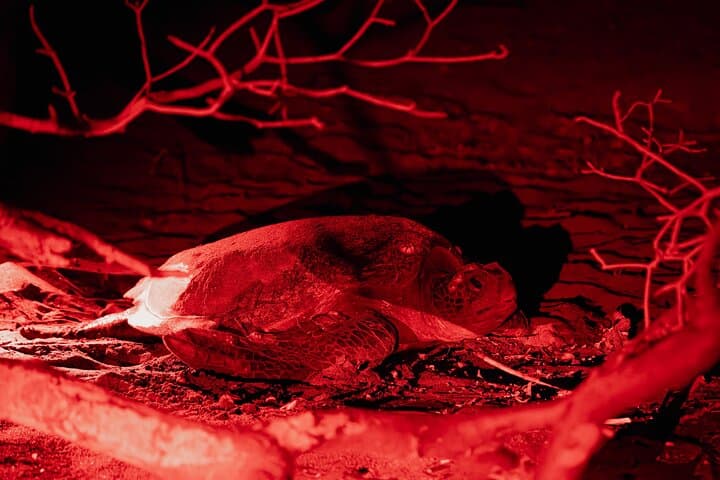
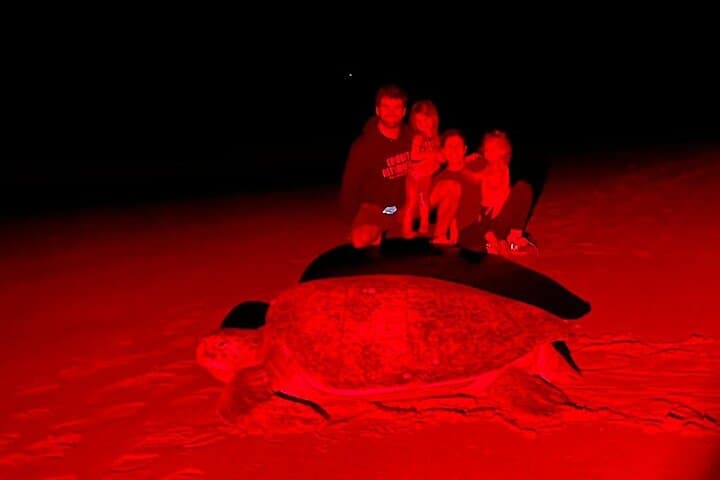
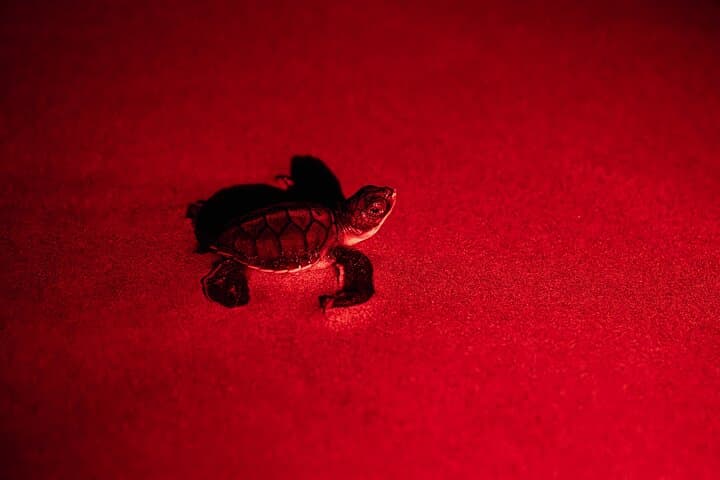
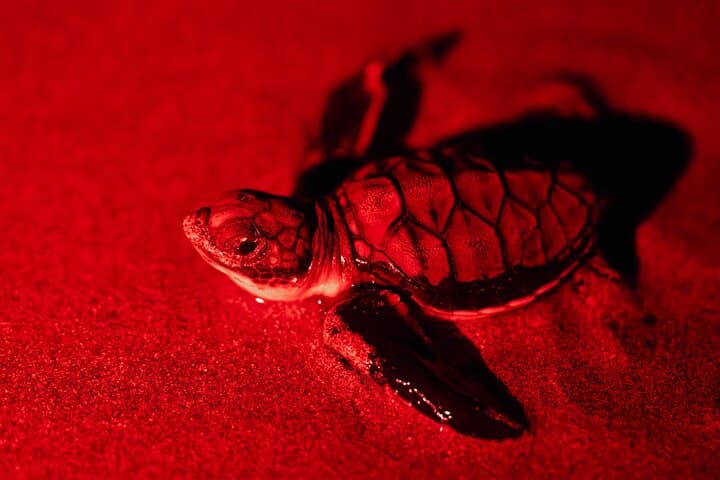
Soon after dusk the beach flattens into a band of dark sand and the ocean’s low swell nudges the shore in deliberate, patient pushes. On a guided night walk from Tamarindo you move quietly in a small group, your light softened and your footsteps muffled, while guides scan the surf for heavy silhouettes — the slow, steady progress of nesting turtles.
Soon after dusk the beach flattens into a band of dark sand and the ocean’s low swell nudges the shore in deliberate, patient pushes. On a guided night walk from Tamarindo you move quietly in a small group, your light softened and your footsteps muffled, while guides scan the surf for heavy silhouettes — the slow, steady progress of nesting turtles.
Playa Minas sits on the Pacific coast of Guanacaste and is part of the greater nesting range for leatherback turtles (Dermochelys coriacea), along with olive ridley and green turtles. The coastline here is volcanic in origin: black sand and cobble beaches formed by ancient lava flows give way to broad, sloping nesting beaches. The local fishing and coastal communities have long-standing ties to the sea, and conservation efforts like Las Baulas National Marine Park grew from those concerns to protect leatherbacks from poaching and development.
Practically, this is a low-speed, high-attention experience: expect slow walks on uneven sand, limited lighting, and strict rules to avoid disturbing nesting animals. Guides provide bilingual interpretation, flashlights, walking rods and bottled water. Bring a red-filtered headlamp or cover your light, wear closed-toe shoes, and be prepared for humidity and occasional rain during the wet season.
Respect the nesting zones, follow the guide’s instructions, and allow the night to work around you: turtle encounters are intimate and fragile, and your restraint helps ensure these animals keep coming ashore for seasons to come.