THE ADVENTURE COLLECTIVE® · Independent discovery and booking for outdoor travel

Experience Iriomote’s rare Sagari-bana — a night-only bloom that opens for hours before dawn. This short, guided evening tour places you on tidal flats and mangrove margins to watch the ephemeral spectacle and learn why these flowers vanish by morning.
Experience Iriomote’s rare Sagari-bana — a night-only bloom that opens for hours before dawn. This short, guided evening tour places you on tidal flats and mangrove margins to watch the ephemeral spectacle and learn why these flowers vanish by morning.
Night falls over Iriomote and the mangrove mouths go quiet; guides lead the small group along a low, tidal flat where the air feels warm and liquid. Lanterns and headlamps cut through humidity as delicate white blooms open after dusk — the Sagari-bana, a true one-night flower that appears for hours and disappears by morning. Observers stand close but respectful, watching petals unfurl under a canopy of starlight and the occasional insect's hum.
Verified experiences and guided adventures in the surrounding area.
Operated by IRIOMOTE ADVENTURE PiPi · Uehara (Iriomote-jima), Okinawa Prefecture
Night falls over Iriomote and the mangrove mouths go quiet; guides lead the small group along a low, tidal flat where the air feels warm and liquid. Lanterns and headlamps cut through humidity as delicate white blooms open after dusk — the Sagari-bana, a true one-night flower that appears for hours and disappears by morning. Observers stand close but respectful, watching petals unfurl under a canopy of starlight and the occasional insect's hum.
The islands of the Yaeyama chain are geologically young coral and limestone outcrops with rich tidal zones and dense mangroves that create the microhabitats these nocturnal flowers favor. Local communities on Iriomote have long read the seasons not by calendars but by the brief window when Sagari-bana appears; night tours grew from that local curiosity into a guided activity that pairs natural history with low-impact viewing.
Expect a short, guided outing of roughly 90 minutes focused on observation rather than walking. Guides explain how tides, moon phase and humidity affect flowering and why the plants vanish by dawn. Practicalities matter: wear closed, water-resistant shoes, bring insect repellent and a jacket for sea breezes. Photography is usually allowed but flash can disturb pollinators and other wildlife — follow the guide's directions.
Because blooms are ephemeral, tours run seasonally and may be moved or canceled for tides or safety. The experience is intimate and instructive, a nocturnal encounter that rewards patience and quiet attention more than speed or endurance.
easy.
1.5 hours (90 minutes).
Minimal fitness required — participants should be able to stand and walk short, uneven distances on tidal flats.
Tours run seasonally from June through August, timed for the Sagari-bana night-blooming window; exact dates depend on local conditions.
Participants aged 3–65 are accepted; the outing is short and easy but involves standing on uneven, sometimes wet ground—check medical suitability if in doubt.
Guides typically discourage flash as it disturbs pollinators and other wildlife—use low-light settings or a red-filtered headlamp instead.
Tours may be canceled for unsafe conditions or insufficient participants; organizers offer rebooking or a full refund when cancellations occur.
The Yaeyama islands have long relied on seasonal cycles and intertidal resources; local knowledge of night-blooming plants informed modern guided viewings.
Sagari-bana habitats are sensitive tidal and mangrove margins—visitors should avoid trampling plants, follow guide paths, and minimize light and noise to protect wildlife.
IRIOMOTE ADVENTURE PiPi operates guided outdoor trips and adventures with an emphasis on safety, stewardship, and memorable experiences.
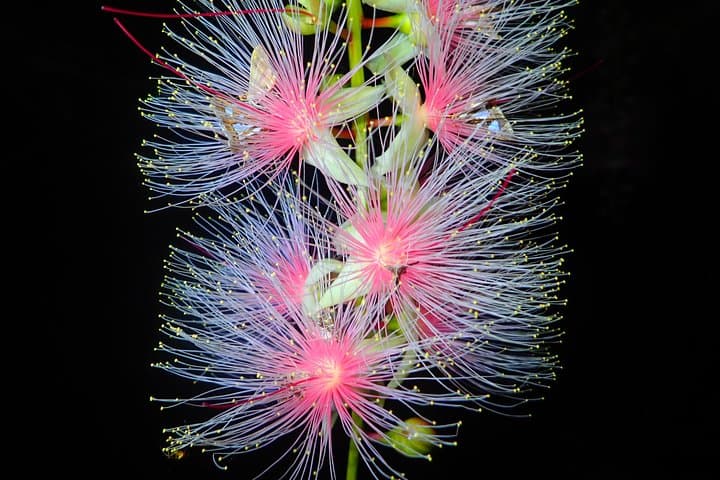
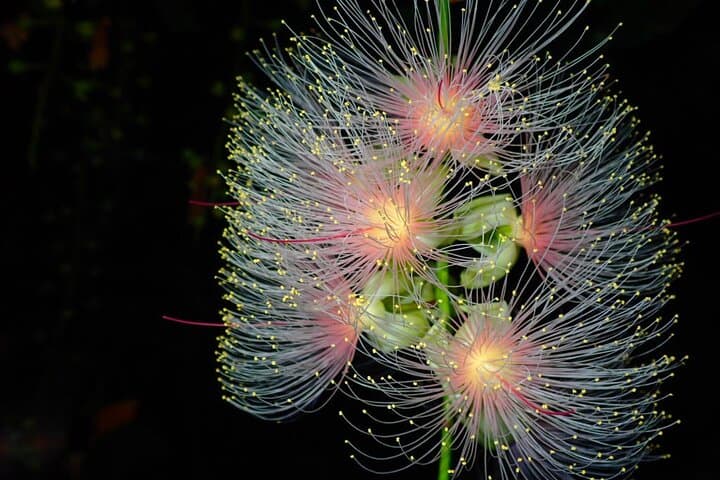
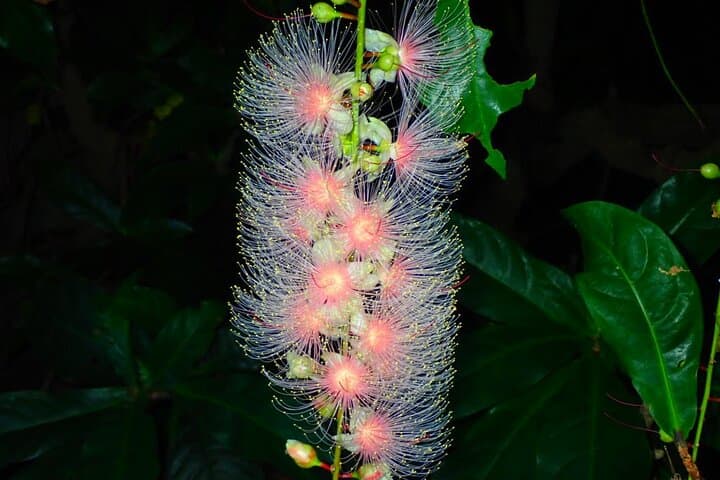
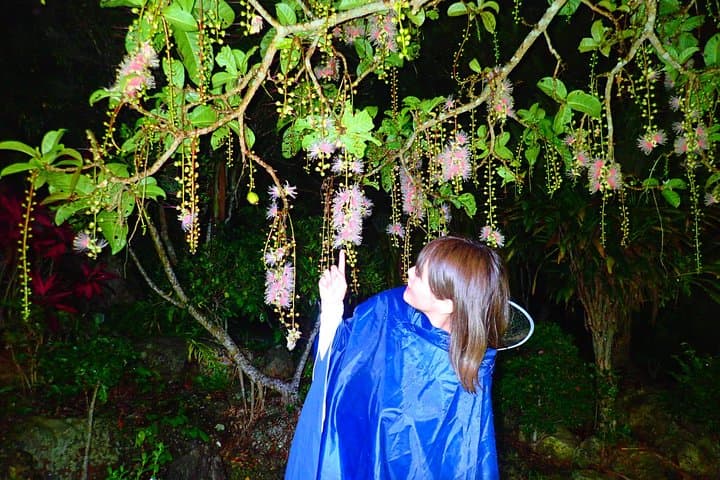
Night falls over Iriomote and the mangrove mouths go quiet; guides lead the small group along a low, tidal flat where the air feels warm and liquid. Lanterns and headlamps cut through humidity as delicate white blooms open after dusk — the Sagari-bana, a true one-night flower that appears for hours and disappears by morning. Observers stand close but respectful, watching petals unfurl under a canopy of starlight and the occasional insect's hum.
Night falls over Iriomote and the mangrove mouths go quiet; guides lead the small group along a low, tidal flat where the air feels warm and liquid. Lanterns and headlamps cut through humidity as delicate white blooms open after dusk — the Sagari-bana, a true one-night flower that appears for hours and disappears by morning. Observers stand close but respectful, watching petals unfurl under a canopy of starlight and the occasional insect's hum.
The islands of the Yaeyama chain are geologically young coral and limestone outcrops with rich tidal zones and dense mangroves that create the microhabitats these nocturnal flowers favor. Local communities on Iriomote have long read the seasons not by calendars but by the brief window when Sagari-bana appears; night tours grew from that local curiosity into a guided activity that pairs natural history with low-impact viewing.
Expect a short, guided outing of roughly 90 minutes focused on observation rather than walking. Guides explain how tides, moon phase and humidity affect flowering and why the plants vanish by dawn. Practicalities matter: wear closed, water-resistant shoes, bring insect repellent and a jacket for sea breezes. Photography is usually allowed but flash can disturb pollinators and other wildlife — follow the guide's directions.
Because blooms are ephemeral, tours run seasonally and may be moved or canceled for tides or safety. The experience is intimate and instructive, a nocturnal encounter that rewards patience and quiet attention more than speed or endurance.