THE ADVENTURE COLLECTIVE® · Independent discovery and booking for outdoor travel

Board a colorfully painted chiva for a two-hour mobile nightclub through Santa Marta: live bands, a stop at the Monument of Pibe Valderrama, and sweeping views of the Bay of Santa Marta. It’s equal parts sightseeing and dance floor under Caribbean stars.
Board a colorfully painted chiva for a two-hour mobile nightclub through Santa Marta: live bands, a stop at the Monument of Pibe Valderrama, and sweeping views of the Bay of Santa Marta. It’s equal parts sightseeing and dance floor under Caribbean stars.
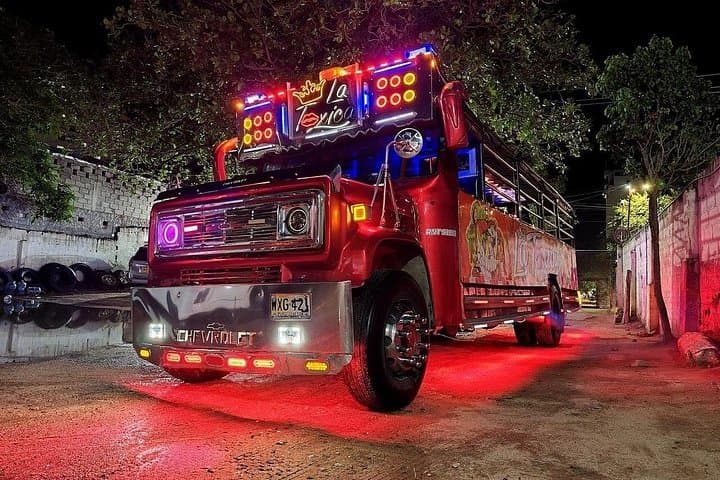
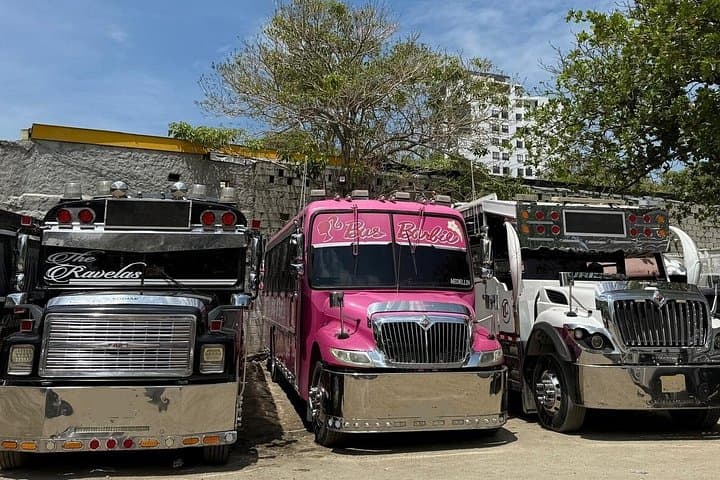
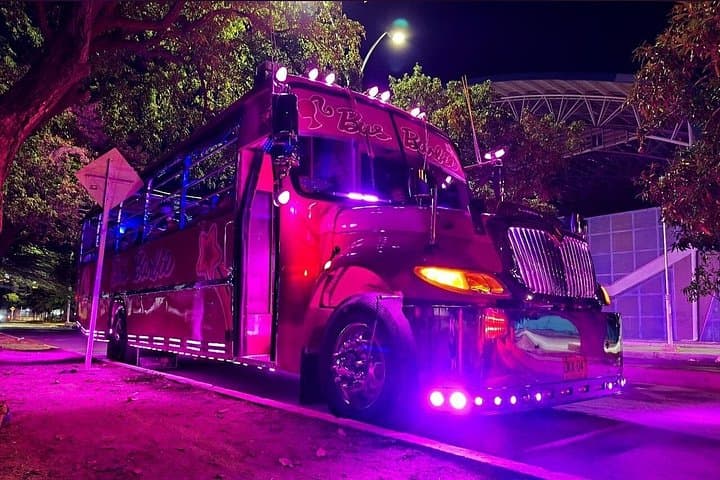
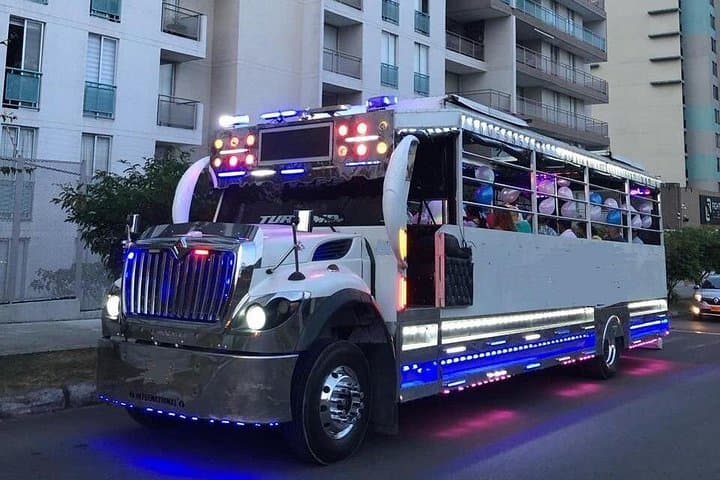
The Chiva lurches into the warm night, lights strobing across painted wood and brass rails as cumbia and salsa pulse from the speakers. Travelers and locals press close, hands clapping, while the bus rolls past the glowing arc of Santa Marta Bay and pauses beneath the bronze gaze of the Pibe Valderrama monument — a crowd-favorite photo stop.
Verified experiences and guided adventures in the surrounding area.
Operated by AV COL · Santa Marta, Magdalena
The Chiva lurches into the warm night, lights strobing across painted wood and brass rails as cumbia and salsa pulse from the speakers. Travelers and locals press close, hands clapping, while the bus rolls past the glowing arc of Santa Marta Bay and pauses beneath the bronze gaze of the Pibe Valderrama monument — a crowd-favorite photo stop.
Santa Marta sits where the Caribbean meets the Sierra Nevada, the highest coastal range in the world. That geography shaped its culture: an Atlantic port with strong Afro-Colombian and indigenous roots and a modern nightlife that celebrates music and movement. The Monument of Carlos ‘El Pibe’ Valderrama, a larger-than-life tribute to Colombia’s football icon, anchors one stop; the bayfront offers a clear view of ships and distant headlands with the mountain silhouette behind them.
On a two-hour chiva tour expect live entertainment on board, short walking stops, and a mobile-party atmosphere rather than a traditional guided history lesson. The pace is social and sensory — lights, rhythms, the salty air of the bay daring you to join the dance. Practicalities matter: carry ID, small cash, and a fully charged phone for photos and ride logistics. Wear comfortable shoes for hopping on and off, and plan pickup points ahead of time. For quieter evenings aim for earlier departures; for a livelier crowd choose weekends. Respect local neighborhoods by keeping noise reasonable off the chiva and disposing of trash properly — the best memories are the ones that leave the town as they found it.
easy.
2 hours.
Suitable for most fitness levels; requires standing and short walks on/off the bus.
Children can join but under-18s cannot consume alcohol; infants are required to sit on an adult’s lap and organizers may set age limits for safety.
Yes; the tour lists hotel pickup and a meeting point — confirm your pickup location when booking and arrive a few minutes early.
The chiva operates downtown and bayfront areas popular with tourists; stay with the group, secure valuables, and follow the guide’s instructions for stops.
The operator notes the activity is not recommended for pregnant travelers due to standing and the party environment.
Santa Marta is one of the oldest Spanish-founded cities in South America and sits beneath the Sierra Nevada, a region long inhabited by indigenous groups such as the Kogi and Arhuaco; modern culture blends port, indigenous, and Afro-Caribbean influences.
Be mindful of single-use plastics and avoid littering around the bay; local groups work to protect coastal waters and the shoreline habitats that support birds and marine life.
AV COL operates guided outdoor trips and adventures with an emphasis on safety, stewardship, and memorable experiences.
The Chiva lurches into the warm night, lights strobing across painted wood and brass rails as cumbia and salsa pulse from the speakers. Travelers and locals press close, hands clapping, while the bus rolls past the glowing arc of Santa Marta Bay and pauses beneath the bronze gaze of the Pibe Valderrama monument — a crowd-favorite photo stop.
The Chiva lurches into the warm night, lights strobing across painted wood and brass rails as cumbia and salsa pulse from the speakers. Travelers and locals press close, hands clapping, while the bus rolls past the glowing arc of Santa Marta Bay and pauses beneath the bronze gaze of the Pibe Valderrama monument — a crowd-favorite photo stop.
Santa Marta sits where the Caribbean meets the Sierra Nevada, the highest coastal range in the world. That geography shaped its culture: an Atlantic port with strong Afro-Colombian and indigenous roots and a modern nightlife that celebrates music and movement. The Monument of Carlos ‘El Pibe’ Valderrama, a larger-than-life tribute to Colombia’s football icon, anchors one stop; the bayfront offers a clear view of ships and distant headlands with the mountain silhouette behind them.
On a two-hour chiva tour expect live entertainment on board, short walking stops, and a mobile-party atmosphere rather than a traditional guided history lesson. The pace is social and sensory — lights, rhythms, the salty air of the bay daring you to join the dance. Practicalities matter: carry ID, small cash, and a fully charged phone for photos and ride logistics. Wear comfortable shoes for hopping on and off, and plan pickup points ahead of time. For quieter evenings aim for earlier departures; for a livelier crowd choose weekends. Respect local neighborhoods by keeping noise reasonable off the chiva and disposing of trash properly — the best memories are the ones that leave the town as they found it.