THE ADVENTURE COLLECTIVE® · Independent discovery and booking for outdoor travel

Experience the raw energy of Muay Thai at Samui International Stadium—six fights, traditional ceremonies, and options from standard seats to VIP sofas. This concise guide explains what to expect, how to prepare, and how to make the most of a two-hour fight night on Koh Samui.
Experience the raw energy of Muay Thai at Samui International Stadium—six fights, traditional ceremonies, and options from standard seats to VIP sofas. This concise guide explains what to expect, how to prepare, and how to make the most of a two-hour fight night on Koh Samui.
The lights drop and the humid Gulf wind pushes through open stands as the ring calls fighters and crowd alike to attention. At Samui International Muay Thai Stadium, an evening fight card feels immediate: sweat-slick gloves, drums that mark the rhythm, and the ceremonial Wai Khru Ram Muay that quiets and concentrates the arena.
Verified experiences and guided adventures in the surrounding area.
Operated by Oh-Hoo · Bophut, Surat Thani
The lights drop and the humid Gulf wind pushes through open stands as the ring calls fighters and crowd alike to attention. At Samui International Muay Thai Stadium, an evening fight card feels immediate: sweat-slick gloves, drums that mark the rhythm, and the ceremonial Wai Khru Ram Muay that quiets and concentrates the arena.
Muay Thai is Thailand’s national sport, its techniques shaped over centuries of island history and regional conflict. Koh Samui itself is a low, rocky island of granite and sandstone whose coastal villages grew into the tourist towns that now feed the stadium’s nightlife. The stadium sits at the cross-section of local culture and entertainment: live commentary in English, traditional pre-fight music, and a mix of tourists and locals sharing the same roar.
Practical guidance: shows run about two hours and include six fights; choose Normal, Ringside, VIP, or VIP Premium for escalating proximity and comfort. Arrive 30–45 minutes early to watch warm-ups and the Wai Khru; photo ops with fighters often happen after the final bout. Bring cash for small vendors, and expect loud, close-range impacts—ear protection is sensible for ringside seats. The stadium is accessible by local taxis and songthaews; guests with heart conditions should avoid intense seats near the action.
The night is equal parts sport and cultural performance. For travelers wanting a visceral, brief encounter with Thai combat arts, this is a compact, well-lit way to see the discipline’s power and pageantry without leaving Koh Samui’s main tourist hubs.
easy.
2 hours.
No fitness required—spectator event; be prepared for standing briefly and navigating crowded stairs
Yes — mobile tickets are accepted; you can present a mobile or paper ticket at entry.
Children under 5 are often free, but the sport is loud and intense—use discretion for young viewers.
Options range from Normal elevated seating to Ringside and VIP categories; your ticket type determines seating location.
Not recommended for travelers with poor cardiovascular health due to loud, exciting atmosphere and intense combat.
Muay Thai evolved over centuries as a combat system and national sport; modern stadiums blend competitive bouts with ritualized pre-fight ceremonies like the Wai Khru Ram Muay.
Visitors are encouraged to minimize single-use plastics at stadium concessions and to respect local customs when interacting with fighters or taking photos.
Oh-Hoo operates guided outdoor trips and adventures with an emphasis on safety, stewardship, and memorable experiences.
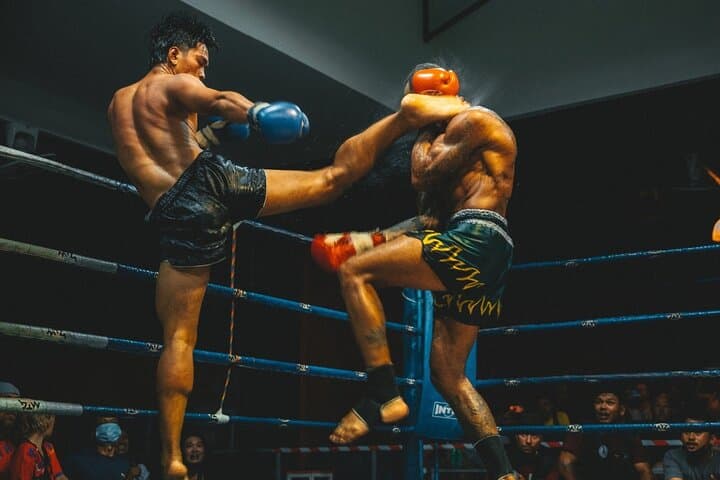
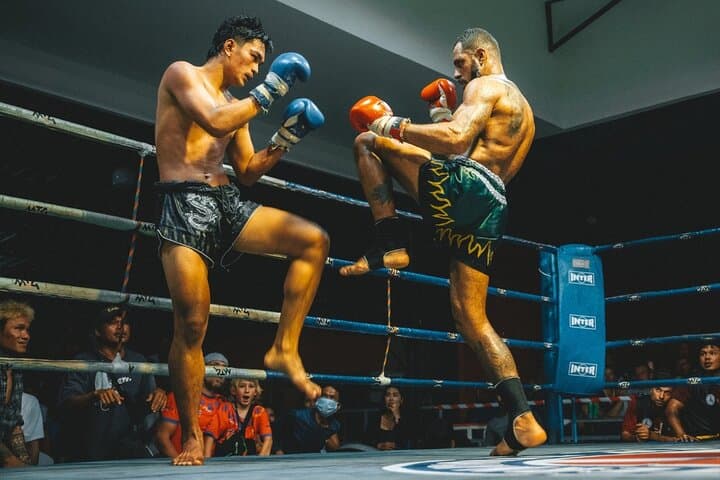
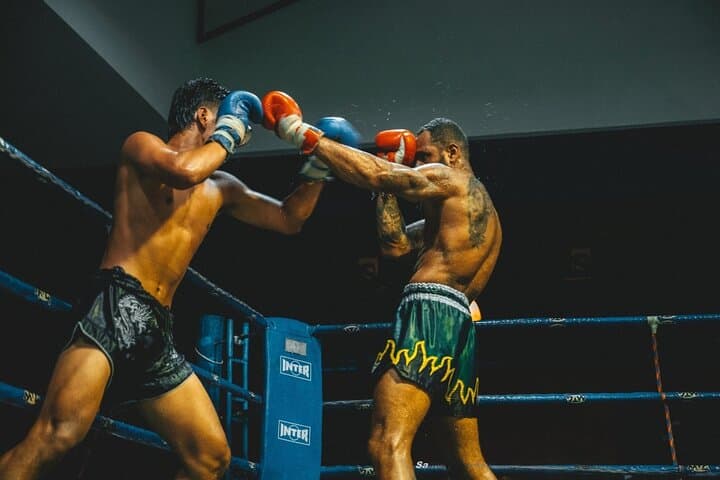
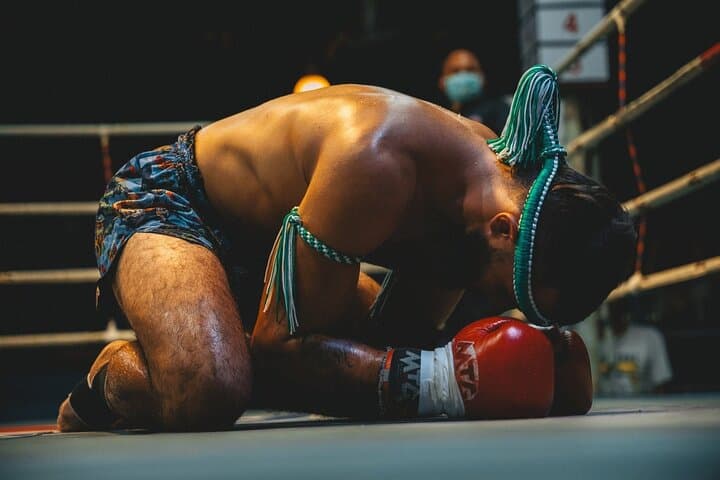
The lights drop and the humid Gulf wind pushes through open stands as the ring calls fighters and crowd alike to attention. At Samui International Muay Thai Stadium, an evening fight card feels immediate: sweat-slick gloves, drums that mark the rhythm, and the ceremonial Wai Khru Ram Muay that quiets and concentrates the arena.
The lights drop and the humid Gulf wind pushes through open stands as the ring calls fighters and crowd alike to attention. At Samui International Muay Thai Stadium, an evening fight card feels immediate: sweat-slick gloves, drums that mark the rhythm, and the ceremonial Wai Khru Ram Muay that quiets and concentrates the arena.
Muay Thai is Thailand’s national sport, its techniques shaped over centuries of island history and regional conflict. Koh Samui itself is a low, rocky island of granite and sandstone whose coastal villages grew into the tourist towns that now feed the stadium’s nightlife. The stadium sits at the cross-section of local culture and entertainment: live commentary in English, traditional pre-fight music, and a mix of tourists and locals sharing the same roar.
Practical guidance: shows run about two hours and include six fights; choose Normal, Ringside, VIP, or VIP Premium for escalating proximity and comfort. Arrive 30–45 minutes early to watch warm-ups and the Wai Khru; photo ops with fighters often happen after the final bout. Bring cash for small vendors, and expect loud, close-range impacts—ear protection is sensible for ringside seats. The stadium is accessible by local taxis and songthaews; guests with heart conditions should avoid intense seats near the action.
The night is equal parts sport and cultural performance. For travelers wanting a visceral, brief encounter with Thai combat arts, this is a compact, well-lit way to see the discipline’s power and pageantry without leaving Koh Samui’s main tourist hubs.