THE ADVENTURE COLLECTIVE® · Independent discovery and booking for outdoor travel

Explore the Cairns Botanic Gardens after dark with a macro-photography guide. Learn to find and photograph frogs, spiders and fungi on a small-group two-hour walk with camera help and optional gear hire.
Explore the Cairns Botanic Gardens after dark with a macro-photography guide. Learn to find and photograph frogs, spiders and fungi on a small-group two-hour walk with camera help and optional gear hire.
A warm, humid night in Cairns presses close as you step beneath the gardens’ broad-leaved trees. Headlamp beams pick out glittering spider webs and the shining backs of beetles; a chorus of frogs answers from the reed beds. On this two-hour guided walk, the light narrows, and the miniature world grows large—fungi glow in the leaf litter, tiny mantises hold still like living sculptures, and salt-rimmed eyes reflect your lens.
Verified experiences and guided adventures in the surrounding area.
Operated by Aussie Macro Photos · Cairns, Queensland
A warm, humid night in Cairns presses close as you step beneath the gardens’ broad-leaved trees. Headlamp beams pick out glittering spider webs and the shining backs of beetles; a chorus of frogs answers from the reed beds. On this two-hour guided walk, the light narrows, and the miniature world grows large—fungi glow in the leaf litter, tiny mantises hold still like living sculptures, and salt-rimmed eyes reflect your lens.
The Cairns Botanic Gardens — long tended and known locally as Flecker Gardens — sit on low coastal terrain that supports tropical wet‑forest species and plants from nearby upland rainforests. The site’s history ties into early botanical collecting in far north Queensland and the work of local naturalists who catalogued its unique flora and fauna. Geologically the area is low-lying coastal plain, with drainage features and constructed ponds that concentrate nocturnal life. Culturally, the gardens are part community green space and part scientific resource, with pathways that reveal both cultivated collections and spontaneous rainforest regrowth.
Practical guidance: arrive with a small tripod or beanbag, a macro lens or close‑focus setup, and a beam you can dim or switch to red—bright white light washes out subjects. Wear closed-toe shoes and insect repellent; nights in the wet season are sticky and buggy. The group size is small for focused instruction and camera help; camera hire is available if you need gear. Expect low, slow walking on boardwalks and paths; most encounters require patience, quiet, and a careful approach. This tour rewards curiosity—bring patience and your camera, and the gardens will give you their tiny secrets.
easy.
2 hours.
Suitable for most fitness levels; mostly slow walking on flat boardwalks and paths with brief pauses to photograph.
Yes—this experience is pitched for all levels; the guide provides camera advice and composition help during the small-group walk.
Yes—three camera hire options (Beginner, Intermediate, Advanced) are available; contact the operator before your tour to reserve gear.
The gardens and the tour are listed as wheelchair accessible, though certain close-approach spots may require assistance or alternate angles for photography.
Tours are canceled if weather is poor; check confirmation policies—full refunds apply for cancellations made at least 24 hours prior.
The collection evolved through decades of botanical work and is commonly known as Flecker Botanic Gardens, reflecting local naturalist contributions to plant study in far north Queensland.
Stay on paths and avoid using flash directly on animals; minimal disturbance and responsible lighting preserve nocturnal behavior and protect sensitive species.
Aussie Macro Photos operates guided outdoor trips and adventures with an emphasis on safety, stewardship, and memorable experiences.
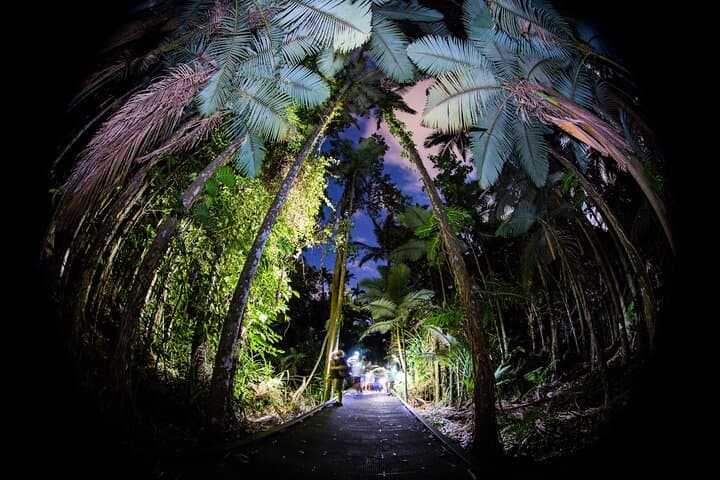
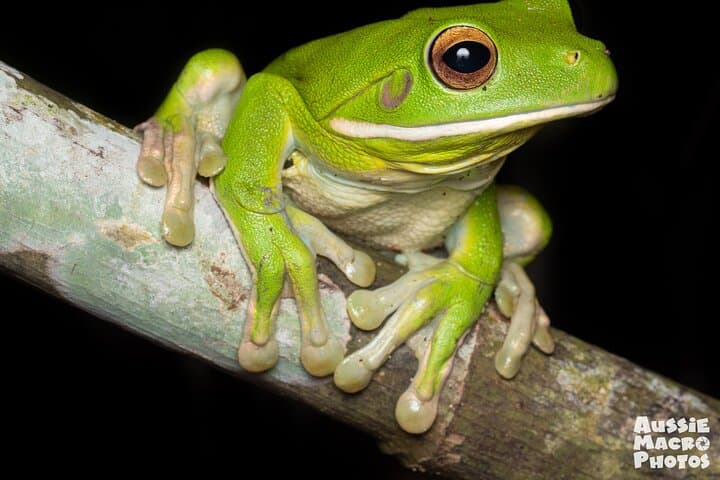
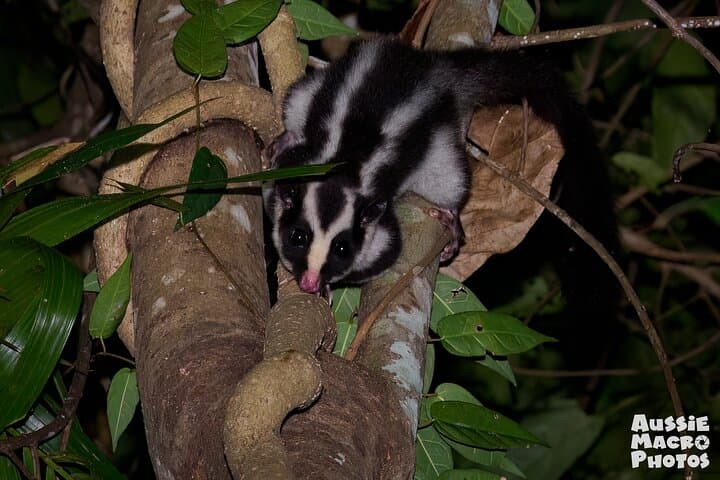
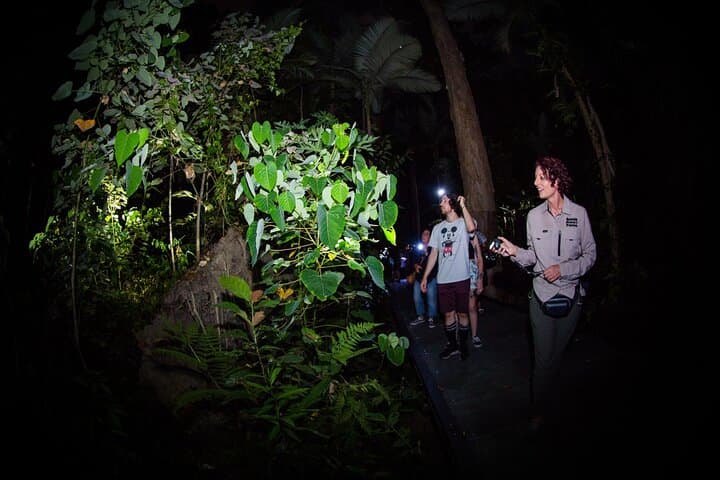
A warm, humid night in Cairns presses close as you step beneath the gardens’ broad-leaved trees. Headlamp beams pick out glittering spider webs and the shining backs of beetles; a chorus of frogs answers from the reed beds. On this two-hour guided walk, the light narrows, and the miniature world grows large—fungi glow in the leaf litter, tiny mantises hold still like living sculptures, and salt-rimmed eyes reflect your lens.
A warm, humid night in Cairns presses close as you step beneath the gardens’ broad-leaved trees. Headlamp beams pick out glittering spider webs and the shining backs of beetles; a chorus of frogs answers from the reed beds. On this two-hour guided walk, the light narrows, and the miniature world grows large—fungi glow in the leaf litter, tiny mantises hold still like living sculptures, and salt-rimmed eyes reflect your lens.
The Cairns Botanic Gardens — long tended and known locally as Flecker Gardens — sit on low coastal terrain that supports tropical wet‑forest species and plants from nearby upland rainforests. The site’s history ties into early botanical collecting in far north Queensland and the work of local naturalists who catalogued its unique flora and fauna. Geologically the area is low-lying coastal plain, with drainage features and constructed ponds that concentrate nocturnal life. Culturally, the gardens are part community green space and part scientific resource, with pathways that reveal both cultivated collections and spontaneous rainforest regrowth.
Practical guidance: arrive with a small tripod or beanbag, a macro lens or close‑focus setup, and a beam you can dim or switch to red—bright white light washes out subjects. Wear closed-toe shoes and insect repellent; nights in the wet season are sticky and buggy. The group size is small for focused instruction and camera help; camera hire is available if you need gear. Expect low, slow walking on boardwalks and paths; most encounters require patience, quiet, and a careful approach. This tour rewards curiosity—bring patience and your camera, and the gardens will give you their tiny secrets.