THE ADVENTURE COLLECTIVE® · Independent discovery and booking for outdoor travel

A guided night walk into Sam Popham’s Arboretum to search for the elusive slender loris. Expect low-light hiking, quiet moments, and close-up nocturnal wildlife encounters led by experienced naturalists.
A guided night walk into Sam Popham’s Arboretum to search for the elusive slender loris. Expect low-light hiking, quiet moments, and close-up nocturnal wildlife encounters led by experienced naturalists.
The beam of a red-filtered torch sketches the trunks ahead, leaves whispering as a slow, deliberate climber tests the branches above. On a warm Sri Lankan night, the slender loris — eyes wide and reflective — freezes like a question posed to the forest, then continues its careful search for insects and tree gums.
Verified experiences and guided adventures in the surrounding area.
Operated by Lakpura LLC · Polonnaruwa, North Central Province
The beam of a red-filtered torch sketches the trunks ahead, leaves whispering as a slow, deliberate climber tests the branches above. On a warm Sri Lankan night, the slender loris — eyes wide and reflective — freezes like a question posed to the forest, then continues its careful search for insects and tree gums.
Sam Popham’s Arboretum began as a private plantation by a British naval officer half a century ago and later expanded into a 34-acre sanctuary now used for research and conservation. The terrain is gentle: mixed native and imported trees, low understory, and tracks that follow old nursery roads rather than rugged trails. Geologically this part of the North Central Plains rests on ancient alluvial deposits, so expect compacted soil underfoot with occasional exposed roots.
Culturally, Polonnaruwa sits near a UNESCO-heritage landscape of tanks, temples and irrigation engineering — but the arboretum offers a different, nocturnal side of the region: small mammals, owls, and the slow-moving loris that give the walk its name.
Practical guidance: the experience is a guided, three-hour night hike requiring quiet, steady footing and respect for wildlife. Guides rely on dim red lights and brief white-light sightings; flash photography is discouraged. Wear closed-toe shoes, long sleeves, and insect repellant; move deliberately and keep voices low. The walk is not technical but calls for moderate fitness and patience — the reward is intimate, often single-file encounters with one of South Asia’s most unusual primates.
moderate.
3 hours.
Moderate — you should be comfortable walking on uneven ground for up to three hours at night.
Sightings aren’t guaranteed but guides familiar with the arboretum and its habitual individuals greatly increase the odds; be prepared for brief, careful views rather than lengthy encounters.
Participants should have moderate fitness; young children or those with serious cardiovascular issues may struggle with dark, uneven trails and should consult the operator before booking.
Flash photography and loud noises are discouraged or prohibited to avoid stressing nocturnal wildlife — guides will instruct you on acceptable behavior and lighting.
Meeting and pickup details vary by booking; confirm pickup point in Polonnaruwa with your operator and arrive 10–15 minutes early for briefing and gear checks.
The arboretum began as a private tree collection by Sam Popham, a British officer, and expanded after being transferred to the Institute of Fundamental Studies; it retains older specimen plantings alongside native trees.
Lorises are sensitive to disturbance and habitat loss; operators emphasize minimal-impact viewing, no flash photography, and staying on established paths to protect nocturnal species.
Lakpura LLC operates guided outdoor trips and adventures with an emphasis on safety, stewardship, and memorable experiences.
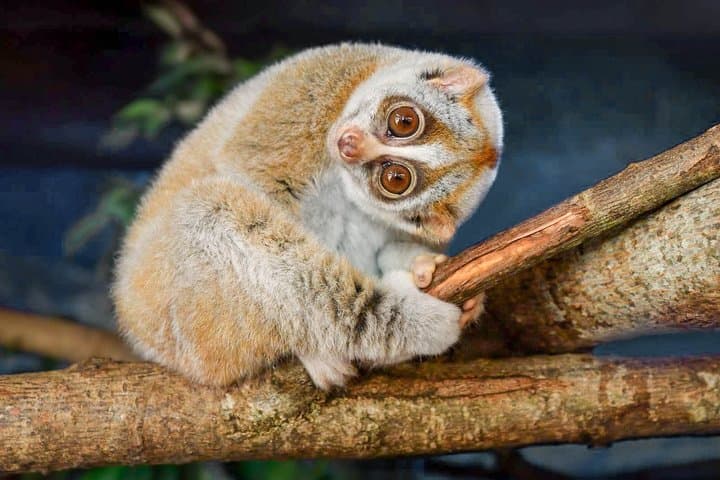
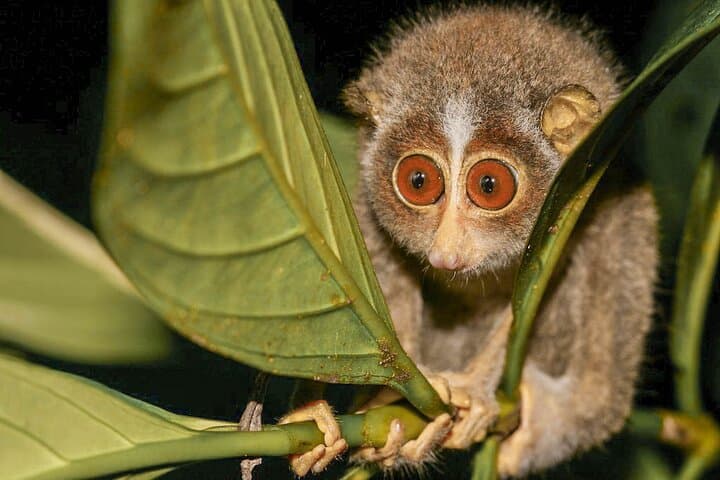
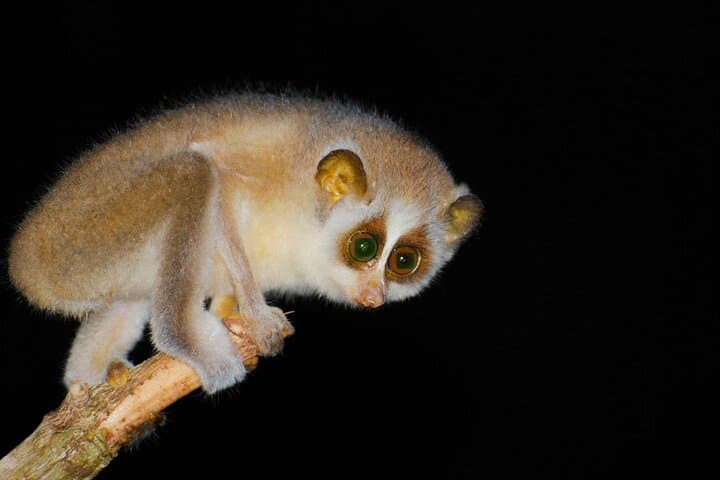
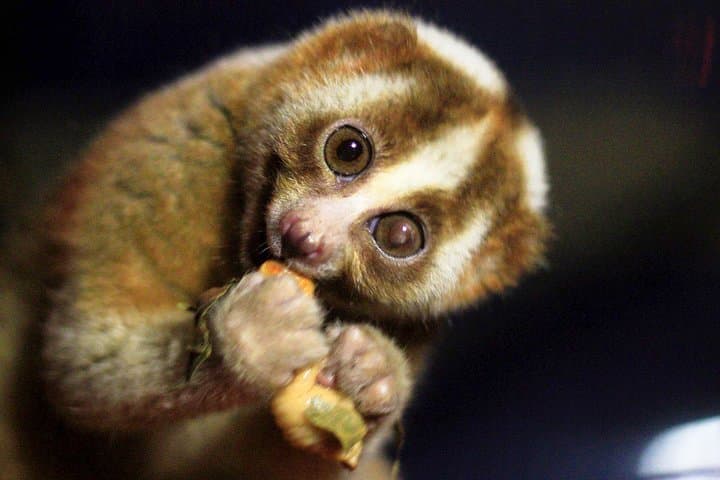
The beam of a red-filtered torch sketches the trunks ahead, leaves whispering as a slow, deliberate climber tests the branches above. On a warm Sri Lankan night, the slender loris — eyes wide and reflective — freezes like a question posed to the forest, then continues its careful search for insects and tree gums.
The beam of a red-filtered torch sketches the trunks ahead, leaves whispering as a slow, deliberate climber tests the branches above. On a warm Sri Lankan night, the slender loris — eyes wide and reflective — freezes like a question posed to the forest, then continues its careful search for insects and tree gums.
Sam Popham’s Arboretum began as a private plantation by a British naval officer half a century ago and later expanded into a 34-acre sanctuary now used for research and conservation. The terrain is gentle: mixed native and imported trees, low understory, and tracks that follow old nursery roads rather than rugged trails. Geologically this part of the North Central Plains rests on ancient alluvial deposits, so expect compacted soil underfoot with occasional exposed roots.
Culturally, Polonnaruwa sits near a UNESCO-heritage landscape of tanks, temples and irrigation engineering — but the arboretum offers a different, nocturnal side of the region: small mammals, owls, and the slow-moving loris that give the walk its name.
Practical guidance: the experience is a guided, three-hour night hike requiring quiet, steady footing and respect for wildlife. Guides rely on dim red lights and brief white-light sightings; flash photography is discouraged. Wear closed-toe shoes, long sleeves, and insect repellant; move deliberately and keep voices low. The walk is not technical but calls for moderate fitness and patience — the reward is intimate, often single-file encounters with one of South Asia’s most unusual primates.