THE ADVENTURE COLLECTIVE® · Independent discovery and booking for outdoor travel

Board a small boat after dusk and slip beneath Tenerife’s black lava cliffs for a guided night dive. Expect small groups, focused navigation with torches, and intimate encounters with octopus, scorpionfish and other nocturnal marine life.
Board a small boat after dusk and slip beneath Tenerife’s black lava cliffs for a guided night dive. Expect small groups, focused navigation with torches, and intimate encounters with octopus, scorpionfish and other nocturnal marine life.
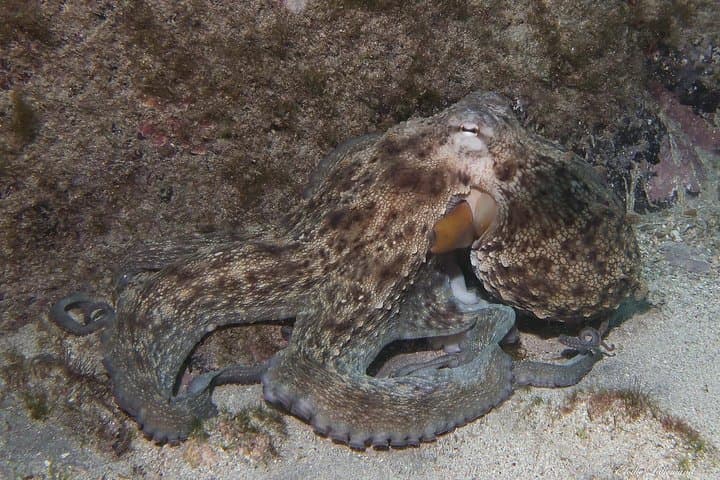
The boat slips away from the harbor and the island’s silhouette melts into a black horizon. Headlamps cut cones through ink as divers step off the ladder and enter a different world: Tenerife after dark. Salt-slicked lava cliffs fall away into a shadowed reef where night-shift animals fan out—octopus probing crevices, scorpionfish holding still like carved stone, and lobsters clinging under ledges while plankton dust glows in your torch.
Verified experiences and guided adventures in the surrounding area.
Operated by LJ Diving Tenerife · Los Cristianos, Santa Cruz de Tenerife
The boat slips away from the harbor and the island’s silhouette melts into a black horizon. Headlamps cut cones through ink as divers step off the ladder and enter a different world: Tenerife after dark. Salt-slicked lava cliffs fall away into a shadowed reef where night-shift animals fan out—octopus probing crevices, scorpionfish holding still like carved stone, and lobsters clinging under ledges while plankton dust glows in your torch.
Tenerife’s coastline is volcanic—older lava flows created sheer walls, caves and sudden drop-offs that make for dramatic night topography. The island’s maritime culture is built around short hop boat runs and practical port towns such as Los Cristianos and Costa Adeje; local dive operators know the currents, sleeping grounds and seasonal migrations. Geology here dictates the diving: black rock, narrow gullies, and pockets where life hides until darkness arrives.
Practically, expect a guided, small-group (max 4) boat dive lasting about three hours from meet to return. Minimum certification is Open Water with at least 10 logged dives; the guide provides a primary torch and handles navigation. Bottom time is governed by air and safe ascent protocols rather than a fixed schedule, and conditions can include mild currents and variable visibility.
Prepare with a properly weighted buoyancy setup, a reliable dive computer, and a 3–5mm wetsuit depending on season. Bring your certification card and recent logbook entries. Operators advise against diving if you have cardiovascular issues or are pregnant. For those comfortable in open water, a Tenerife night dive is a quiet, focused way to see familiar species behave in unfamiliar ways—where the sea seems to breathe on its own and the reef dares you to look closer.
moderate.
3 hours.
Moderate; should be comfortable with boat entries, basic swimming and handling equipment for up to an hour underwater
You must hold an Open Water certification (or equivalent) and have at least 10 logged dives to join a night dive.
Use of standard scuba equipment is included and a torch is provided, but personal backups and a dive computer are recommended.
Guided night dives are managed for safety, but minimum experience and comfort with boat entries and underwater navigation are required; not recommended for those with heart conditions or pregnancy.
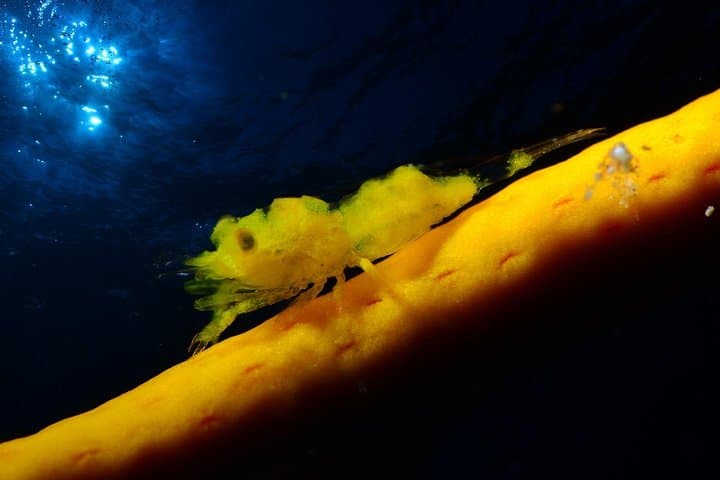
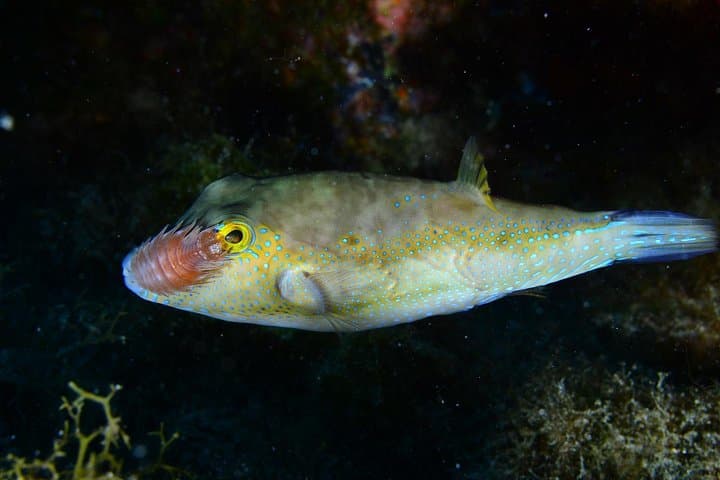
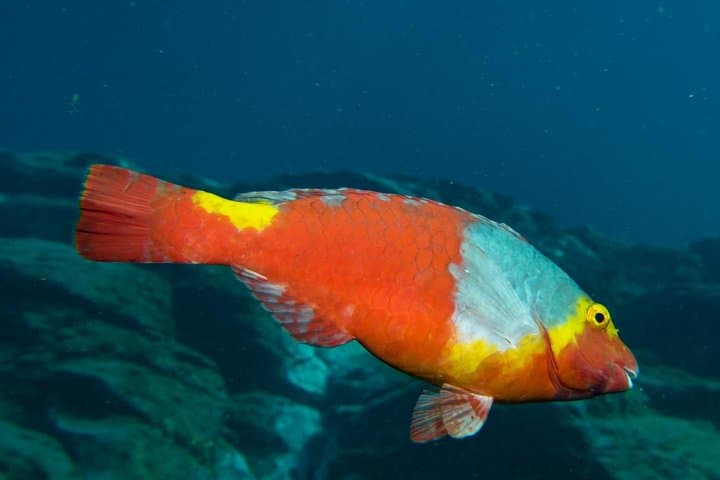
Expect nocturnal species such as common octopus, scorpionfish, moray eels, lobsters and sleeping groupers; plankton and occasional bioluminescence may also appear.
Tenerife’s shoreline is a product of volcanic eruptions; lava flows created the steep shelves and caves that now host diverse reef life. Local ports evolved around short coastal hops and fishing traditions that predate modern dive tourism.
Many diving sites are sensitive—avoid touching animals or moving rocks, use reef-safe sunscreen, and follow guide instructions to minimize impact on nocturnal ecosystems.
LJ Diving Tenerife operates guided outdoor trips and adventures with an emphasis on safety, stewardship, and memorable experiences.
The boat slips away from the harbor and the island’s silhouette melts into a black horizon. Headlamps cut cones through ink as divers step off the ladder and enter a different world: Tenerife after dark. Salt-slicked lava cliffs fall away into a shadowed reef where night-shift animals fan out—octopus probing crevices, scorpionfish holding still like carved stone, and lobsters clinging under ledges while plankton dust glows in your torch.
The boat slips away from the harbor and the island’s silhouette melts into a black horizon. Headlamps cut cones through ink as divers step off the ladder and enter a different world: Tenerife after dark. Salt-slicked lava cliffs fall away into a shadowed reef where night-shift animals fan out—octopus probing crevices, scorpionfish holding still like carved stone, and lobsters clinging under ledges while plankton dust glows in your torch.
Tenerife’s coastline is volcanic—older lava flows created sheer walls, caves and sudden drop-offs that make for dramatic night topography. The island’s maritime culture is built around short hop boat runs and practical port towns such as Los Cristianos and Costa Adeje; local dive operators know the currents, sleeping grounds and seasonal migrations. Geology here dictates the diving: black rock, narrow gullies, and pockets where life hides until darkness arrives.
Practically, expect a guided, small-group (max 4) boat dive lasting about three hours from meet to return. Minimum certification is Open Water with at least 10 logged dives; the guide provides a primary torch and handles navigation. Bottom time is governed by air and safe ascent protocols rather than a fixed schedule, and conditions can include mild currents and variable visibility.
Prepare with a properly weighted buoyancy setup, a reliable dive computer, and a 3–5mm wetsuit depending on season. Bring your certification card and recent logbook entries. Operators advise against diving if you have cardiovascular issues or are pregnant. For those comfortable in open water, a Tenerife night dive is a quiet, focused way to see familiar species behave in unfamiliar ways—where the sea seems to breathe on its own and the reef dares you to look closer.