THE ADVENTURE COLLECTIVE® · Independent discovery and booking for outdoor travel

Swap sunlit snorkeling for the sharp contrast of a torch-lit reef: Cebu night dives reveal colors and critters that hide by day. Learn what to expect, how to prepare, and where the best after-dark encounters happen.
Swap sunlit snorkeling for the sharp contrast of a torch-lit reef: Cebu night dives reveal colors and critters that hide by day. Learn what to expect, how to prepare, and where the best after-dark encounters happen.
The surface darkens and the water becomes a black canvas; your torch becomes both brush and compass as the reef wakes. On a night dive in Cebu the familiar shapes you saw by day rearrange themselves—gorgonians flare their polyps into the beam, small reef fish flash like embers, and hunting crabs creep from under ledges.
Verified experiences and guided adventures in the surrounding area.
Operated by Scottys Action Sports Network · Cebu City, Cebu
The surface darkens and the water becomes a black canvas; your torch becomes both brush and compass as the reef wakes. On a night dive in Cebu the familiar shapes you saw by day rearrange themselves—gorgonians flare their polyps into the beam, small reef fish flash like embers, and hunting crabs creep from under ledges.
Cebu’s reefs formed on volcanic foundations and centuries of coral growth, supporting coastal communities whose fishing traditions run generations deep. Full-moon nights change the script: moonlight softens the scene, plankton rises, and different predators and cleaners take their turns. Local dive operators know the reef rhythms—where nudibranchs congregate, which bommies hold sleeping parrotfish, and how currents shift after sunset.
Practically, a guided night dive is about discipline: stable buoyancy, controlled light use, and close buddy work. Operators typically require at least a Scuba Diver or Open Water certification and provide an underwater torch (but bring spare batteries). Expect a 1.5–2 hour outing including briefing, entry, two 25–35 minute bottom times depending on depth and no-decompression limits, and a surface interval. Visibility can be clearer at night without sun glare, but currents and surge matter—your guide will pick the safest entry and exit.
To get the most, arrive rested, hydrate, and secure any loose gear that could dangle in your torch beam. Move slowly; point lights where you want to see, not where you want others to look. Leave the reef intact—observe, don’t touch. When you surface, the sea will seem to tuck itself back into sleep, but the reef will keep its waking secrets until your next dive.
moderate.
1.5–2 hours.
Comfortable swimming ability and basic scuba fitness; should be able to handle short surface swims and stairs at entry/exit points
Yes. Operators require at least a Scuba Diver or Open Water Diver certification and proof of recent dives or a refresher if you haven’t been diving in months.
With a guided operator and proper briefing, certified beginners can safely experience night dives; expect conservative depth limits and close supervision.
Look for sleeping parrotfish, octopus, nudibranchs, crabs, shrimp, lionfish, and gorgonians; full-moon conditions can change visibility and animal activity.
Hydrate, eat lightly, check and charge batteries, secure gear, attend the pre-dive briefing, and discuss any health concerns with the operator.
Cebu’s reefs sit on volcanic foundations and have long supported coastal fishing communities; recreational diving grew here in the late 20th century as operators developed local sites.
Practice low-impact diving—no touching, no taking—and use reef-safe sunscreen; local operators often support coral-planting and cleanup initiatives to protect dive sites.
Scottys Action Sports Network operates guided outdoor trips and adventures with an emphasis on safety, stewardship, and memorable experiences.
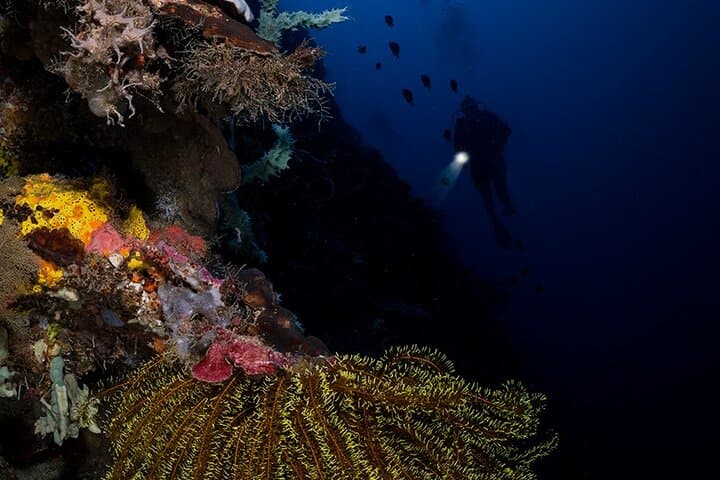
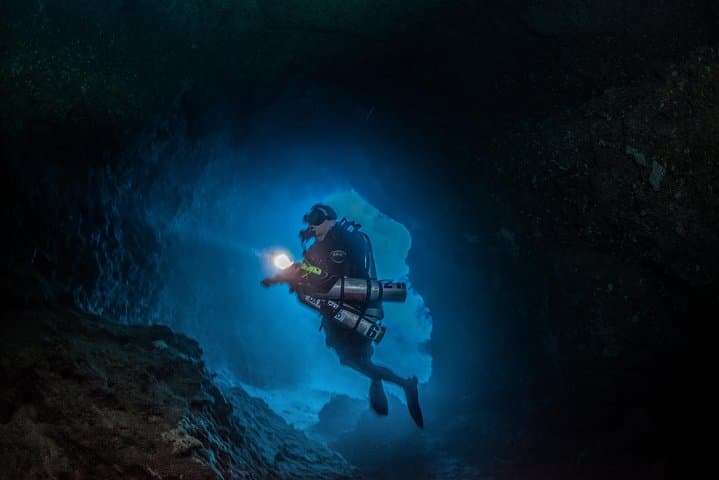
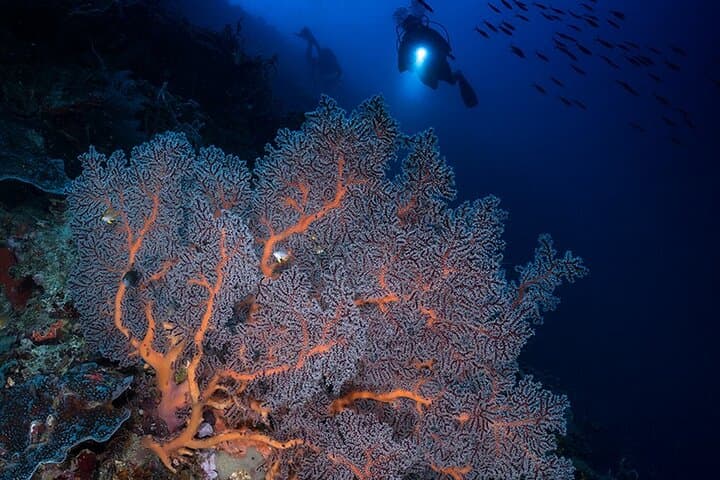
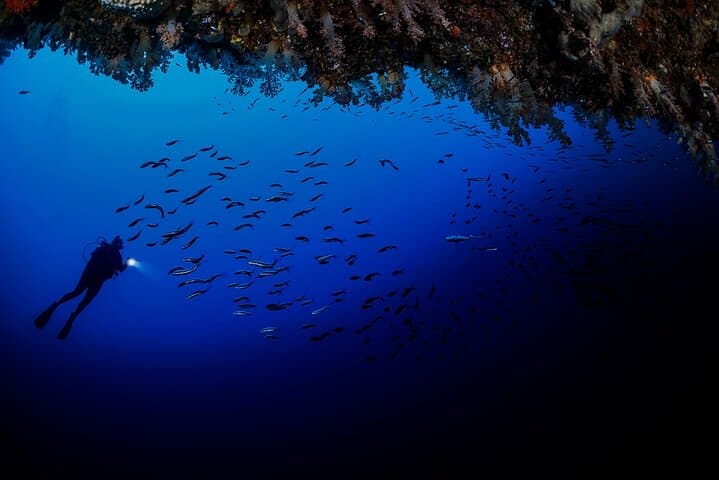
The surface darkens and the water becomes a black canvas; your torch becomes both brush and compass as the reef wakes. On a night dive in Cebu the familiar shapes you saw by day rearrange themselves—gorgonians flare their polyps into the beam, small reef fish flash like embers, and hunting crabs creep from under ledges.
The surface darkens and the water becomes a black canvas; your torch becomes both brush and compass as the reef wakes. On a night dive in Cebu the familiar shapes you saw by day rearrange themselves—gorgonians flare their polyps into the beam, small reef fish flash like embers, and hunting crabs creep from under ledges.
Cebu’s reefs formed on volcanic foundations and centuries of coral growth, supporting coastal communities whose fishing traditions run generations deep. Full-moon nights change the script: moonlight softens the scene, plankton rises, and different predators and cleaners take their turns. Local dive operators know the reef rhythms—where nudibranchs congregate, which bommies hold sleeping parrotfish, and how currents shift after sunset.
Practically, a guided night dive is about discipline: stable buoyancy, controlled light use, and close buddy work. Operators typically require at least a Scuba Diver or Open Water certification and provide an underwater torch (but bring spare batteries). Expect a 1.5–2 hour outing including briefing, entry, two 25–35 minute bottom times depending on depth and no-decompression limits, and a surface interval. Visibility can be clearer at night without sun glare, but currents and surge matter—your guide will pick the safest entry and exit.
To get the most, arrive rested, hydrate, and secure any loose gear that could dangle in your torch beam. Move slowly; point lights where you want to see, not where you want others to look. Leave the reef intact—observe, don’t touch. When you surface, the sea will seem to tuck itself back into sleep, but the reef will keep its waking secrets until your next dive.