THE ADVENTURE COLLECTIVE® · Independent discovery and booking for outdoor travel

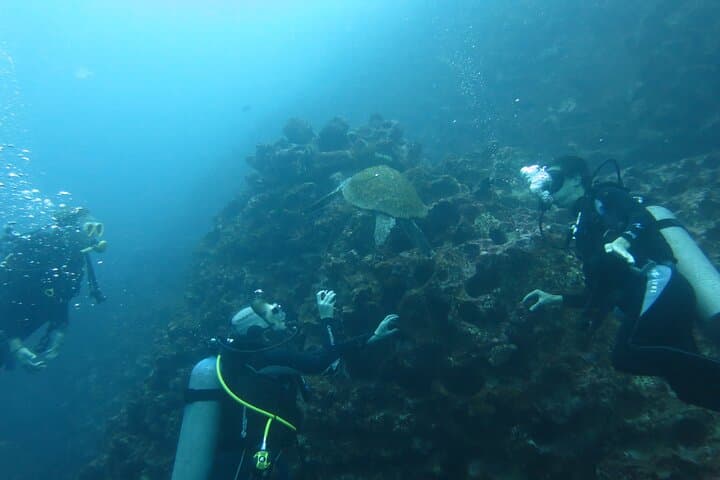
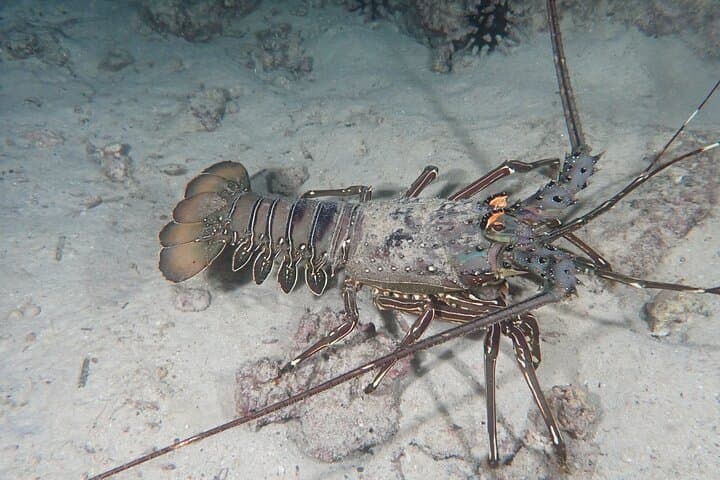
Experience Academy Bay after sunset: the reef changes its rules at night—octopus emerge, lobsters forage, and familiar fish adopt nocturnal habits. This guided night dive from Puerto Ayora offers close encounters with marine life under careful supervision.
Experience Academy Bay after sunset: the reef changes its rules at night—octopus emerge, lobsters forage, and familiar fish adopt nocturnal habits. This guided night dive from Puerto Ayora offers close encounters with marine life under careful supervision.
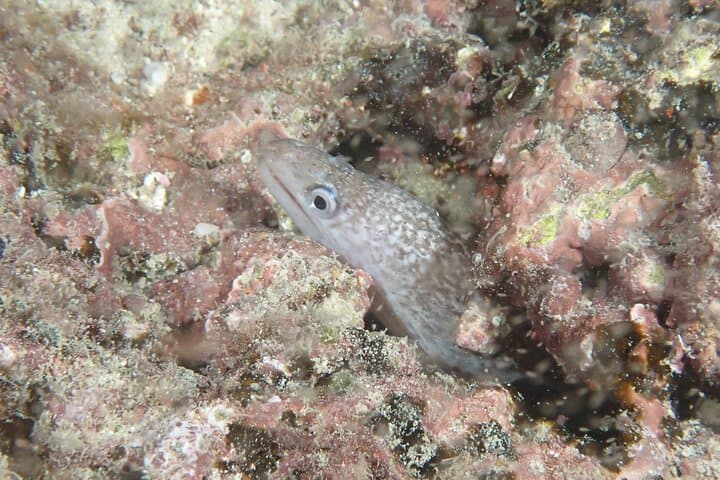
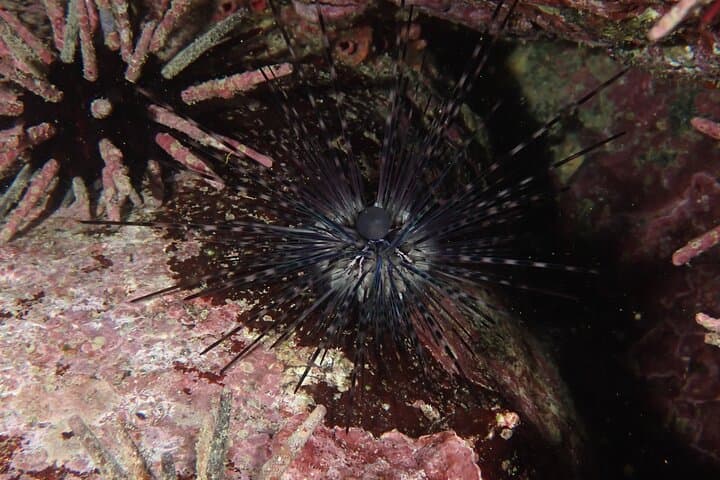
The light from Puerto Ayora fades and the bay becomes a low, breathing glow. On a clear night the quay is quiet, the boat’s engine a soft thrum as divers tighten straps and check torches. When you slip beneath Academy Bay’s surface the familiar daytime reef rearranges itself: sleeping parrotfish tucked into mucus cocoons, wary rays gliding like shadows, and octopus hunting in the sand.
Verified experiences and guided adventures in the surrounding area.
Operated by Galapagos a la Carte · Puerto Ayora, Galápagos
The light from Puerto Ayora fades and the bay becomes a low, breathing glow. On a clear night the quay is quiet, the boat’s engine a soft thrum as divers tighten straps and check torches. When you slip beneath Academy Bay’s surface the familiar daytime reef rearranges itself: sleeping parrotfish tucked into mucus cocoons, wary rays gliding like shadows, and octopus hunting in the sand.
Academy Bay sits on the eastern shore of Santa Cruz Island and has long been a hub for Galápagos research and tourism. The bay’s volcanic origin created sheltered coves, rocky reefs and channels that shape local currents—conditions that concentrate life and make nocturnal dives especially interesting. Culturally, Puerto Ayora grew around fisheries and later the Charles Darwin Research Station; the town still balances community life with strict marine reserve rules.
Practical guidance is straightforward. Night dives require certified divers in good buoyancy control; your guide will brief light signals, buddy procedures and entry/exit plans. Expect cooler water temperatures after dark—carry a warm wetsuit—and bring a primary and backup light. Visibility often drops compared with daytime but close-range behavior of crustaceans, cephalopods and sleeping reef fish more than compensates.
Tours typically last 3–4 hours including shore time; gear is provided but personal masks or computers improve comfort. Respect the Galápagos National Park rules: no touching, no collecting, and follow your guide’s path to minimize impact. For divers who like observation over depth racing, Academy Bay at night delivers focused encounters with the reef’s secret life.
challenging.
3–4 hours.
Moderate fitness and comfort in open water; able to swim 200m and manage basic snorkel/scuba tasks.
Yes. Participants must hold an Open Water scuba certification and present their certification card prior to diving.
Night dives in Academy Bay are generally shallow to moderate (10–20m), focusing on reef life rather than deep walls.
Often yes—visibility can be reduced after dark, but marine life activity is concentrated at close range, offering excellent observations.
If you are a new but certified diver, a guided night dive is possible; however, prior comfortable experience with night or low-visibility dives is recommended.
Academy Bay developed as Puerto Ayora’s sheltered harbor and became central to scientific study after the establishment of the Charles Darwin Research Station in the 1960s.
Diving operates inside the Galápagos Marine Reserve; follow guide briefings, avoid touching wildlife, and use reef-safe sunscreen to minimize impact.
Galapagos a la Carte operates guided outdoor trips and adventures with an emphasis on safety, stewardship, and memorable experiences.
The light from Puerto Ayora fades and the bay becomes a low, breathing glow. On a clear night the quay is quiet, the boat’s engine a soft thrum as divers tighten straps and check torches. When you slip beneath Academy Bay’s surface the familiar daytime reef rearranges itself: sleeping parrotfish tucked into mucus cocoons, wary rays gliding like shadows, and octopus hunting in the sand.
The light from Puerto Ayora fades and the bay becomes a low, breathing glow. On a clear night the quay is quiet, the boat’s engine a soft thrum as divers tighten straps and check torches. When you slip beneath Academy Bay’s surface the familiar daytime reef rearranges itself: sleeping parrotfish tucked into mucus cocoons, wary rays gliding like shadows, and octopus hunting in the sand.
Academy Bay sits on the eastern shore of Santa Cruz Island and has long been a hub for Galápagos research and tourism. The bay’s volcanic origin created sheltered coves, rocky reefs and channels that shape local currents—conditions that concentrate life and make nocturnal dives especially interesting. Culturally, Puerto Ayora grew around fisheries and later the Charles Darwin Research Station; the town still balances community life with strict marine reserve rules.
Practical guidance is straightforward. Night dives require certified divers in good buoyancy control; your guide will brief light signals, buddy procedures and entry/exit plans. Expect cooler water temperatures after dark—carry a warm wetsuit—and bring a primary and backup light. Visibility often drops compared with daytime but close-range behavior of crustaceans, cephalopods and sleeping reef fish more than compensates.
Tours typically last 3–4 hours including shore time; gear is provided but personal masks or computers improve comfort. Respect the Galápagos National Park rules: no touching, no collecting, and follow your guide’s path to minimize impact. For divers who like observation over depth racing, Academy Bay at night delivers focused encounters with the reef’s secret life.