THE ADVENTURE COLLECTIVE® · Independent discovery and booking for outdoor travel

Board a small speedboat after dusk to watch Stromboli’s Sciara del Fuoco erupt against the night sky. This 90‑minute, small-group outing delivers an up-close volcanic spectacle with practical logistics for first-time viewers.
Board a small speedboat after dusk to watch Stromboli’s Sciara del Fuoco erupt against the night sky. This 90‑minute, small-group outing delivers an up-close volcanic spectacle with practical logistics for first-time viewers.
The engine hum softens as the island of Stromboli slides into view and the sky thins into the first hints of dusk. From the deck, the Sciara del Fuoco waits like a dark theater; every few minutes the volcano—known locally as Iddu—throws incandescent pebbles and columns of smoke into the sky. Watching from sea-level, eruptions feel intimate: lava spits and light the cliffs while the water takes on a copper sheen.
Verified experiences and guided adventures in the surrounding area.
Operated by Stromboli da mare, Pasqualo · Stromboli, Sicily
The engine hum softens as the island of Stromboli slides into view and the sky thins into the first hints of dusk. From the deck, the Sciara del Fuoco waits like a dark theater; every few minutes the volcano—known locally as Iddu—throws incandescent pebbles and columns of smoke into the sky. Watching from sea-level, eruptions feel intimate: lava spits and light the cliffs while the water takes on a copper sheen.
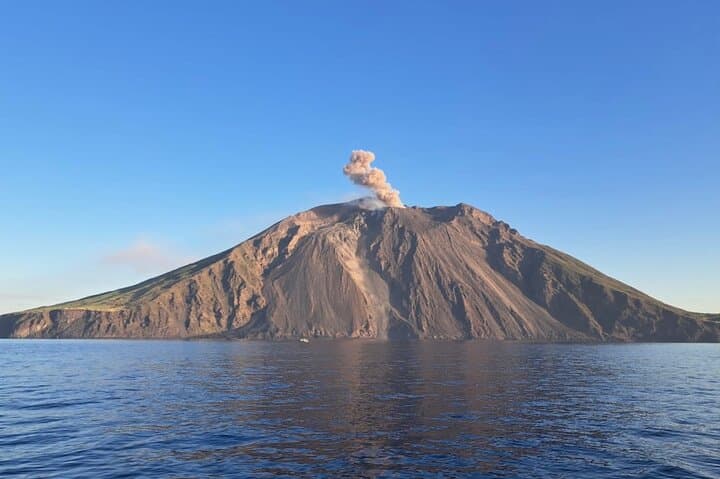
Stromboli has been erupting episodically for millennia, its activity shaped by the Aeolian arc of volcanic islands north of Sicily. The Sciara is a steep talus slope formed by repeated lava flows and rockfall; geology here is raw and immediate. Culturally, Stromboli’s eruptions have been part of local life for generations, a nighttime spectacle that drew sailors and scientists alike.
Practical guidance shapes the experience: tours run about 90 minutes and depart directly from the main dock where ferries arrive. Small-group boats (max 10) give clear sightlines but remain exposed to sea spray and wind; dress in layered, windproof clothing and expect cool air after sunset. Follow the crew’s safety instructions, keep phones and cameras steady, and avoid flash photography — it disrupts other guests and the natural scene. Seasickness can spoil the view; bring medication if you are sensitive.
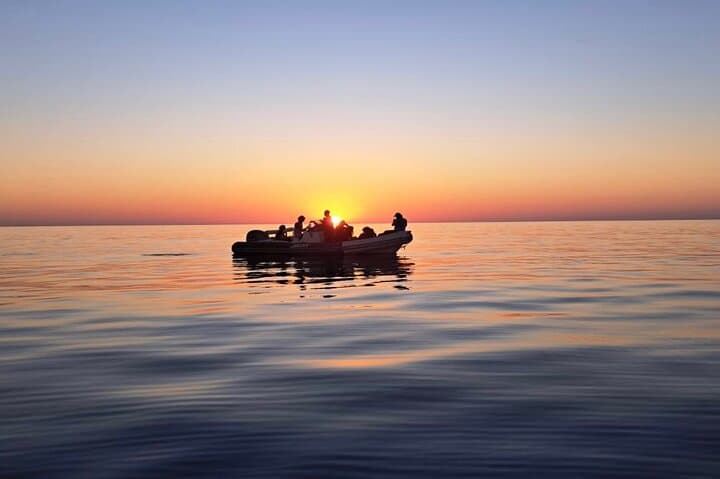
For photographers and first-time viewers, time your ride to include sunset for a shifting light show and allow a buffer before ferries depart. The trip is short but intense: come prepared, stay aware, and let the volcano’s tempo set the night.
easy.
1.5 hours.
Minimal fitness required—ability to board a small boat and stand for up to an hour is sufficient.
Meet at the main Stromboli dock where ferries arrive; the operator meets guests on the right-hand stairs down to the boats—confirmation email specifies exact time.
Yes—infants must sit on an adult’s lap; the tour is considered physically easy but parents should judge comfort with night noise and proximity to eruptions.
Yes—operators provide lifejackets and basic safety briefings; follow crew instructions for wearing them if requested.
Yes—photography is allowed but avoid using flash; low-light settings or stabilized cameras work best for capturing lava and nighttime glow.
Stromboli has been an active volcanic center for thousands of years; historic records and lighthouse logs document near-continuous Strombolian eruptions that shaped local maritime culture.
Respect marine life and avoid throwing anything overboard; operators limit passenger numbers to reduce noise and crowding and many follow local rules to minimize disturbance to nesting seabirds.
Stromboli da mare, Pasqualo operates guided outdoor trips and adventures with an emphasis on safety, stewardship, and memorable experiences.
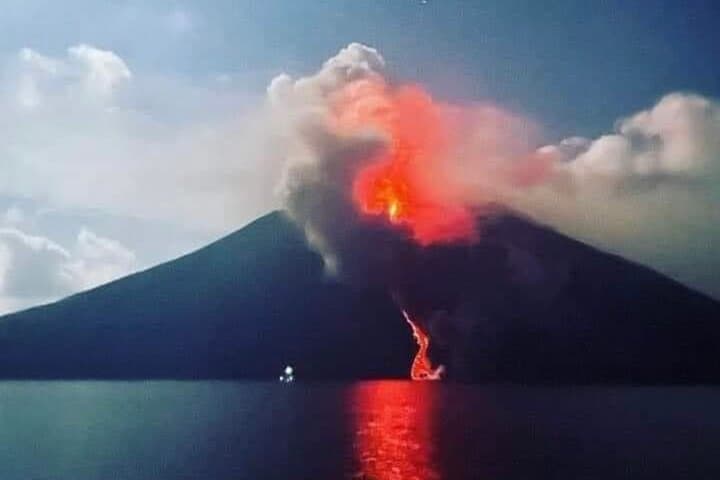
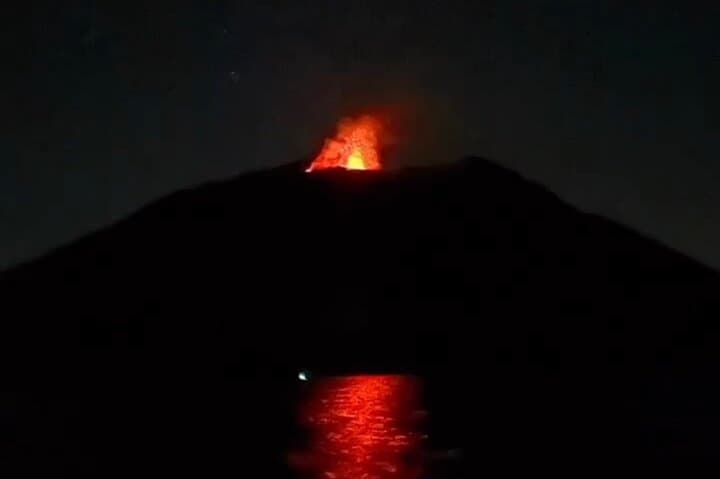
The engine hum softens as the island of Stromboli slides into view and the sky thins into the first hints of dusk. From the deck, the Sciara del Fuoco waits like a dark theater; every few minutes the volcano—known locally as Iddu—throws incandescent pebbles and columns of smoke into the sky. Watching from sea-level, eruptions feel intimate: lava spits and light the cliffs while the water takes on a copper sheen.
The engine hum softens as the island of Stromboli slides into view and the sky thins into the first hints of dusk. From the deck, the Sciara del Fuoco waits like a dark theater; every few minutes the volcano—known locally as Iddu—throws incandescent pebbles and columns of smoke into the sky. Watching from sea-level, eruptions feel intimate: lava spits and light the cliffs while the water takes on a copper sheen.
Stromboli has been erupting episodically for millennia, its activity shaped by the Aeolian arc of volcanic islands north of Sicily. The Sciara is a steep talus slope formed by repeated lava flows and rockfall; geology here is raw and immediate. Culturally, Stromboli’s eruptions have been part of local life for generations, a nighttime spectacle that drew sailors and scientists alike.
Practical guidance shapes the experience: tours run about 90 minutes and depart directly from the main dock where ferries arrive. Small-group boats (max 10) give clear sightlines but remain exposed to sea spray and wind; dress in layered, windproof clothing and expect cool air after sunset. Follow the crew’s safety instructions, keep phones and cameras steady, and avoid flash photography — it disrupts other guests and the natural scene. Seasickness can spoil the view; bring medication if you are sensitive.
For photographers and first-time viewers, time your ride to include sunset for a shifting light show and allow a buffer before ferries depart. The trip is short but intense: come prepared, stay aware, and let the volcano’s tempo set the night.