THE ADVENTURE COLLECTIVE® · Independent discovery and booking for outdoor travel

Escape Akaroa’s lights and spend 90 minutes under the Southern sky at Heritage Park. Guided by an expert astronomer with a 10-inch Dobsonian and a ZWO Seestar S50, this intimate tour includes instant nebula photos and a personalized digital keepsake.
Escape Akaroa’s lights and spend 90 minutes under the Southern sky at Heritage Park. Guided by an expert astronomer with a 10-inch Dobsonian and a ZWO Seestar S50, this intimate tour includes instant nebula photos and a personalized digital keepsake.
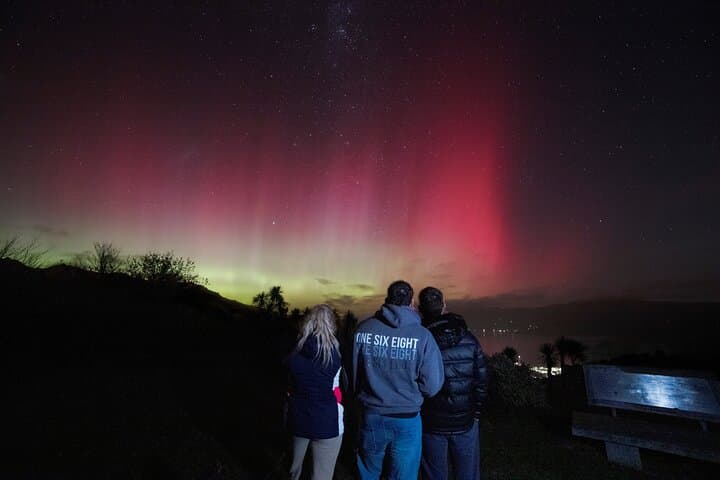
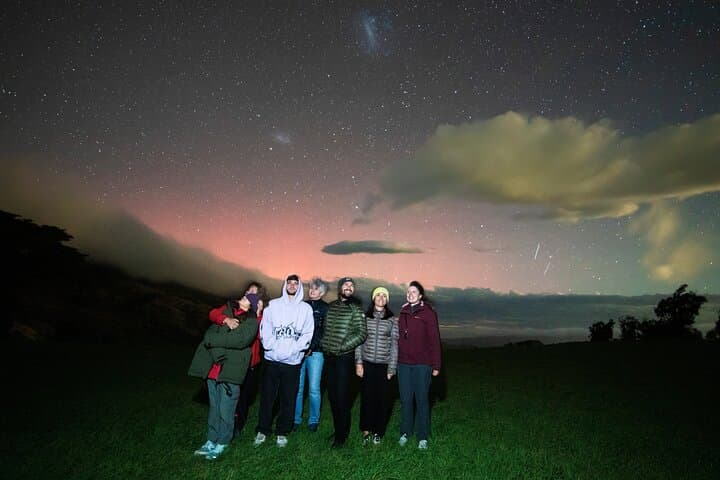
Stand on the grassy rise of Akaroa Heritage Park as the town lights dim and the Southern sky takes command. A crisp sea breeze carries the scent of salt while the Milky Way unfurls like a bright river above Banks Peninsula; planets pinwheel, and distant nebulae glow through the telescopes. The evening moves at a steady, intimate pace—naked-eye orientation, binocular sweeps, then focused views through a 10-inch Dobsonian and a ZWO Seestar S50 smart telescope.
Verified experiences and guided adventures in the surrounding area.
Operated by Akaroa Stargazing · Akaroa, Canterbury
Stand on the grassy rise of Akaroa Heritage Park as the town lights dim and the Southern sky takes command. A crisp sea breeze carries the scent of salt while the Milky Way unfurls like a bright river above Banks Peninsula; planets pinwheel, and distant nebulae glow through the telescopes. The evening moves at a steady, intimate pace—naked-eye orientation, binocular sweeps, then focused views through a 10-inch Dobsonian and a ZWO Seestar S50 smart telescope.
Banks Peninsula is an eroded volcanic complex; the coastline’s drowned craters make Akaroa’s harbour a calm amphitheatre for night-sky viewing. The town’s unusual history—Māori settlement followed by 19th-century French whalers and settlers—adds cultural texture to the outing, and local efforts to minimize light pollution help keep the sky dark.
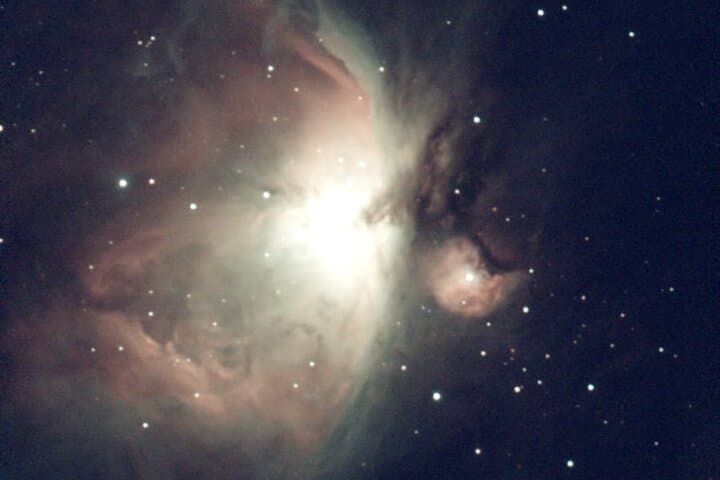
Expect a 90‑minute guided session led by an expert astronomer who narrates visible constellations, planetary highlights, and deep-sky targets. The group is small (max ~10), blankets and hot drinks are provided, and the smart scope delivers instant nebula photos plus a personalized digital keepsake sent the next day. The experience is physically easy and wheelchair accessible, but weather-dependent: cloud cover or rain will cancel for safety and viewing quality.
Practical basics: dress in warm layers, bring a red‑light headlamp if you need hands‑free light, and arrive early to find parking and settle in. Phones can capture the moment, but the guide’s astrophotography will give you far clearer images. For clear, cold nights—especially in late autumn and winter—the sky can feel limitless; on milder evenings spring and summer bring easier comfort but more atmospheric haze. Whether you’re a casual stargazer or a budding astrophotographer, Night Awe offers a compact, informative window into the Southern Hemisphere’s night sky.
easy.
1.5 hours (90 minutes).
Suitable for all fitness levels; requires only short, flat walks and standing
The operator cancels in poor weather for safety and visibility; you’ll be eligible for a full refund if you cancel at least 24 hours before the tour or the tour is cancelled due to weather.
Yes—this activity is wheelchair accessible and suitable for all ages; infants may ride in strollers and service animals are allowed.
Yes—the smart telescope captures instant deep‑sky images shared during the tour, and a personalized digital souvenir photo is sent the next day.
No—guides provide beginner‑friendly orientation, explanations, and time for questions throughout the session.
Akaroa sits in an eroded volcanic caldera on Banks Peninsula and carries a layered history of Māori habitation and 19th‑century French and British settlement.
Local groups work to reduce light pollution and protect coastal habitats—visitors are asked to minimize artificial light and avoid disturbing wildlife.
Akaroa Stargazing operates guided outdoor trips and adventures with an emphasis on safety, stewardship, and memorable experiences.

Stand on the grassy rise of Akaroa Heritage Park as the town lights dim and the Southern sky takes command. A crisp sea breeze carries the scent of salt while the Milky Way unfurls like a bright river above Banks Peninsula; planets pinwheel, and distant nebulae glow through the telescopes. The evening moves at a steady, intimate pace—naked-eye orientation, binocular sweeps, then focused views through a 10-inch Dobsonian and a ZWO Seestar S50 smart telescope.
Stand on the grassy rise of Akaroa Heritage Park as the town lights dim and the Southern sky takes command. A crisp sea breeze carries the scent of salt while the Milky Way unfurls like a bright river above Banks Peninsula; planets pinwheel, and distant nebulae glow through the telescopes. The evening moves at a steady, intimate pace—naked-eye orientation, binocular sweeps, then focused views through a 10-inch Dobsonian and a ZWO Seestar S50 smart telescope.
Banks Peninsula is an eroded volcanic complex; the coastline’s drowned craters make Akaroa’s harbour a calm amphitheatre for night-sky viewing. The town’s unusual history—Māori settlement followed by 19th-century French whalers and settlers—adds cultural texture to the outing, and local efforts to minimize light pollution help keep the sky dark.
Expect a 90‑minute guided session led by an expert astronomer who narrates visible constellations, planetary highlights, and deep-sky targets. The group is small (max ~10), blankets and hot drinks are provided, and the smart scope delivers instant nebula photos plus a personalized digital keepsake sent the next day. The experience is physically easy and wheelchair accessible, but weather-dependent: cloud cover or rain will cancel for safety and viewing quality.
Practical basics: dress in warm layers, bring a red‑light headlamp if you need hands‑free light, and arrive early to find parking and settle in. Phones can capture the moment, but the guide’s astrophotography will give you far clearer images. For clear, cold nights—especially in late autumn and winter—the sky can feel limitless; on milder evenings spring and summer bring easier comfort but more atmospheric haze. Whether you’re a casual stargazer or a budding astrophotographer, Night Awe offers a compact, informative window into the Southern Hemisphere’s night sky.