THE ADVENTURE COLLECTIVE® · Independent discovery and booking for outdoor travel

Descend beneath Niagara’s roar and explore a restored 1905 power station, a Tailrace Tunnel view at the falls’ base, and Skylon Tower panoramas. This guided walking tour pairs industrial history with immersive viewpoints — plan for wet boardwalks, security checks, and 3 hours of mixed indoor/outdoor exploration.
Descend beneath Niagara’s roar and explore a restored 1905 power station, a Tailrace Tunnel view at the falls’ base, and Skylon Tower panoramas. This guided walking tour pairs industrial history with immersive viewpoints — plan for wet boardwalks, security checks, and 3 hours of mixed indoor/outdoor exploration.
You step into the Skylon Tower lobby and the Niagara roar is already present — a distant, omnipresent pulse that grows as you move toward the glass elevator. In minutes the guide has sketched the plan: panoramic views from the tower, walkable viewpoints at Horseshoe Falls, then down into the cavernous 1905 Niagara Parks Power Station and the Tailrace Tunnel where water once carved the route for turbines.
Verified experiences and guided adventures in the surrounding area.
Operated by Walks - Canada · Niagara Falls, Ontario
You step into the Skylon Tower lobby and the Niagara roar is already present — a distant, omnipresent pulse that grows as you move toward the glass elevator. In minutes the guide has sketched the plan: panoramic views from the tower, walkable viewpoints at Horseshoe Falls, then down into the cavernous 1905 Niagara Parks Power Station and the Tailrace Tunnel where water once carved the route for turbines.
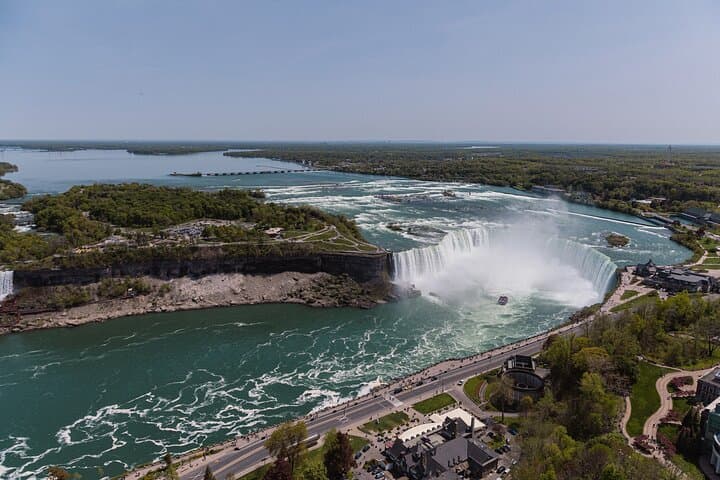
Geology here is raw: glacially scoured limestone shelves give way to the shear drop of the Horseshoe Falls and the Niagara Gorge. The power station itself is industrial history—brick, cast iron and original turbines—and a chapter in the War of the Currents when Tesla, Edison and others argued over how electricity would run the modern world.
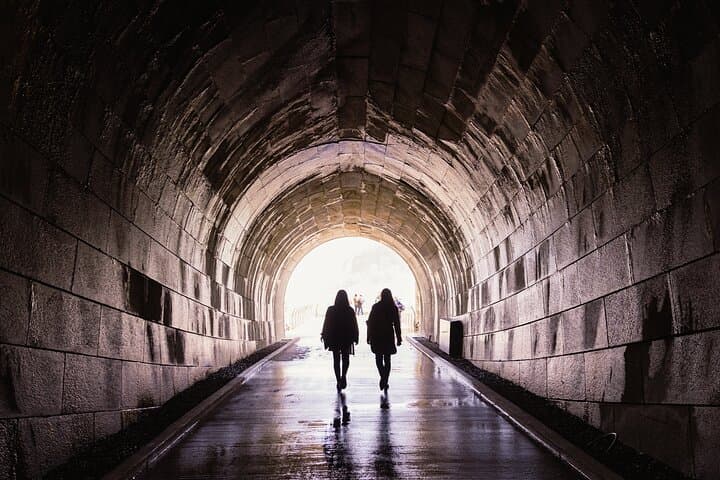
Culturally, the river has shaped industry, tourism and cross-border cooperation for more than a century; the observation points carry traces of early 20th-century engineering and contemporary interpretation panels. Expect a mix of outdoor boardwalks and indoor museum-scale spaces, plus a descent through original service corridors into the Tailrace Tunnel for a close, one-of-a-kind perspective at the falls’ base.
Practical guidance: arrive 15 minutes early at Skylon Tower, wear sturdy, waterproof footwear for wet boardwalks and uneven surfaces, and be prepared for security checks. The guided segment lasts about 60–90 minutes before you continue with an audio guide through the power station and tunnel. Tours run rain or shine and aren’t suitable for wheelchairs or strollers; limited restroom access means a quick stop beforehand is wise. Bring layers — spray and river-cooled air can be deceptively chilly even on warm days.
moderate.
3 hours.
Moderate fitness: able to walk at a steady pace for up to 90 minutes with stairs and uneven surfaces.
The experience runs about three hours and includes guided segments at Skylon Tower, riverside viewpoints, admission to Niagara Parks Power Station and access to the Tailrace Tunnel with an audio guide.
No — the itinerary includes stairs, narrow passages and tunnel descents that make it unsuitable for wheelchairs and strollers.
Expect spray on the boardwalks and near the tunnel exit; a waterproof jacket and protective phone case are recommended.
Restroom access is limited; use facilities at the Skylon Tower before departure. Snacks and food options are available near the main tourist areas but not during the underground portion.
The Niagara Parks Power Station opened in 1905 and was among the first large-scale hydroelectric plants on the Canadian side; the site connects directly to stories of Tesla and the War of the Currents.
Hydropower here is managed jointly across the border; the Parks emphasize managed access, interpretive programming, and measures to minimize visitor impact on the gorge and riverbanks.
Walks - Canada operates guided outdoor trips and adventures with an emphasis on safety, stewardship, and memorable experiences.
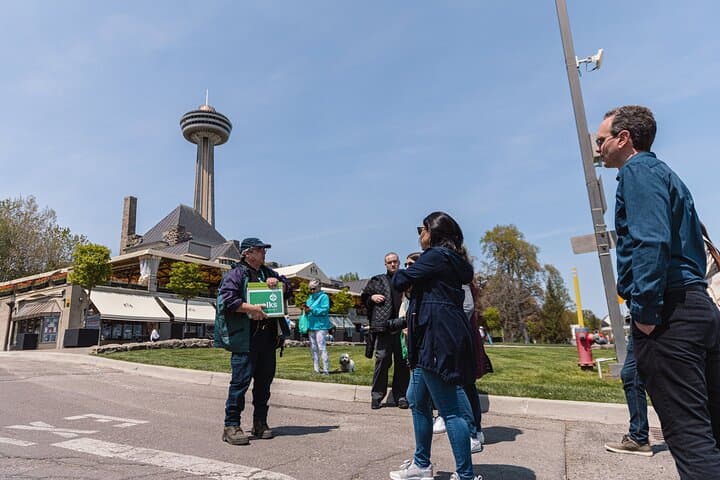
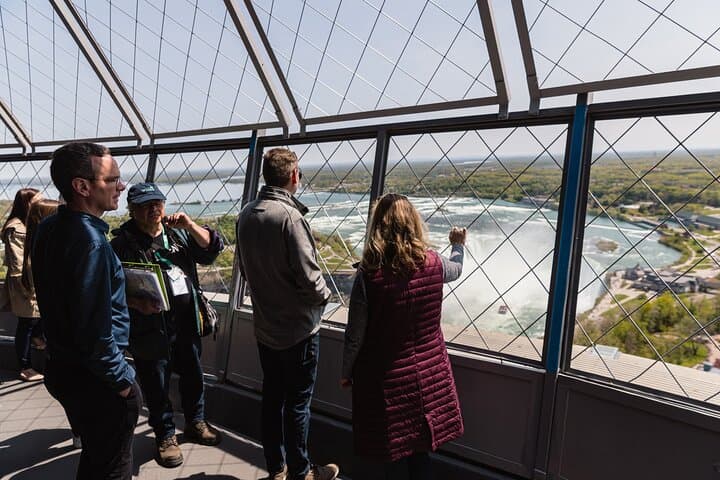
You step into the Skylon Tower lobby and the Niagara roar is already present — a distant, omnipresent pulse that grows as you move toward the glass elevator. In minutes the guide has sketched the plan: panoramic views from the tower, walkable viewpoints at Horseshoe Falls, then down into the cavernous 1905 Niagara Parks Power Station and the Tailrace Tunnel where water once carved the route for turbines.
You step into the Skylon Tower lobby and the Niagara roar is already present — a distant, omnipresent pulse that grows as you move toward the glass elevator. In minutes the guide has sketched the plan: panoramic views from the tower, walkable viewpoints at Horseshoe Falls, then down into the cavernous 1905 Niagara Parks Power Station and the Tailrace Tunnel where water once carved the route for turbines.
Geology here is raw: glacially scoured limestone shelves give way to the shear drop of the Horseshoe Falls and the Niagara Gorge. The power station itself is industrial history—brick, cast iron and original turbines—and a chapter in the War of the Currents when Tesla, Edison and others argued over how electricity would run the modern world.
Culturally, the river has shaped industry, tourism and cross-border cooperation for more than a century; the observation points carry traces of early 20th-century engineering and contemporary interpretation panels. Expect a mix of outdoor boardwalks and indoor museum-scale spaces, plus a descent through original service corridors into the Tailrace Tunnel for a close, one-of-a-kind perspective at the falls’ base.
Practical guidance: arrive 15 minutes early at Skylon Tower, wear sturdy, waterproof footwear for wet boardwalks and uneven surfaces, and be prepared for security checks. The guided segment lasts about 60–90 minutes before you continue with an audio guide through the power station and tunnel. Tours run rain or shine and aren’t suitable for wheelchairs or strollers; limited restroom access means a quick stop beforehand is wise. Bring layers — spray and river-cooled air can be deceptively chilly even on warm days.