THE ADVENTURE COLLECTIVE® · Independent discovery and booking for outdoor travel

A practical, private trolley and step-on guide service centered at Prospect Point that puts you close to the Horseshoe Falls and the stories behind them. Ideal for travelers who want flexible sightseeing guided by local knowledge.
A practical, private trolley and step-on guide service centered at Prospect Point that puts you close to the Horseshoe Falls and the stories behind them. Ideal for travelers who want flexible sightseeing guided by local knowledge.
Fog from the falls clings to your jacket as the trolley eases into Prospect Point — a platform of stone and steel that puts you a breath away from the Horseshoe Falls’ roar. The guide points out the arc of churning water, the spray that dares you to step closer, and the routes your private vehicle can take to show off the river’s scale.
Verified experiences and guided adventures in the surrounding area.
Operated by Gerald Skrlin · Niagara Falls, Ontario
Fog from the falls clings to your jacket as the trolley eases into Prospect Point — a platform of stone and steel that puts you a breath away from the Horseshoe Falls’ roar. The guide points out the arc of churning water, the spray that dares you to step closer, and the routes your private vehicle can take to show off the river’s scale.
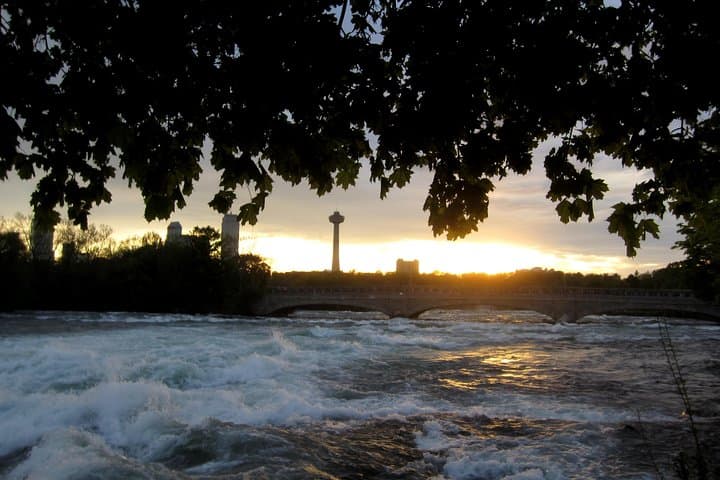
This is a practical introduction to Niagara’s geology and human story: the gorge carved by glacial meltwater at the end of the last Ice Age, the hydro projects that have reshaped flow, and the towns that grew on the river’s banks. Guides often thread in local culture — the industrial grit of old power stations, the parkland design of early conservationists, and the twin identities of Niagara Falls on the Canadian and U.S. sides.
Expect a flexible, step-on service that orients groups to viewpoints, short walks, and nearby attractions like Dufferin Islands or the Niagara Glen. Terrain is mostly paved promenades and short staircases; timing and routing change with season and client interest, from quick 60‑minute overviews to half-day explorations.
Practical guidance: arrive with rain protection and good shoes for slippery surfaces, time visits for early morning or late afternoon to avoid peak crowds, and allow extra time for border or parking delays if you plan to cross the river. Guides will handle logistics and local insights — you provide comfortable transport and curiosity.
easy.
1–8 hours.
Minimal walking required; participants should be able to walk short distances and manage a few stairs.
Most tours meet at Prospect Point; start and end locations are flexible when booking a private step-on guide and can be arranged to suit your vehicle.
Yes—Prospect Point and many viewpoint promenades are wheelchair accessible, and transportation options can accommodate mobility needs when notified in advance.
Options range from a quick 60‑minute orientation to a full half-day (up to 8 hours) depending on how many viewpoints and short walks you want to include.
Crossing the border is possible but requires proper travel documents for all passengers; confirm with your guide ahead of time to plan routing and time for customs.
The gorge and falls were shaped by glacial melt at the end of the last Ice Age; the area later became a focal point for early hydroelectric development and cross-border tourism in the 19th and 20th centuries.
Water diversion for power is governed by international agreements that limit flow over the falls; the parklands focus on erosion control and responsible visitor access to minimize human impact.
Gerald Skrlin operates guided outdoor trips and adventures with an emphasis on safety, stewardship, and memorable experiences.
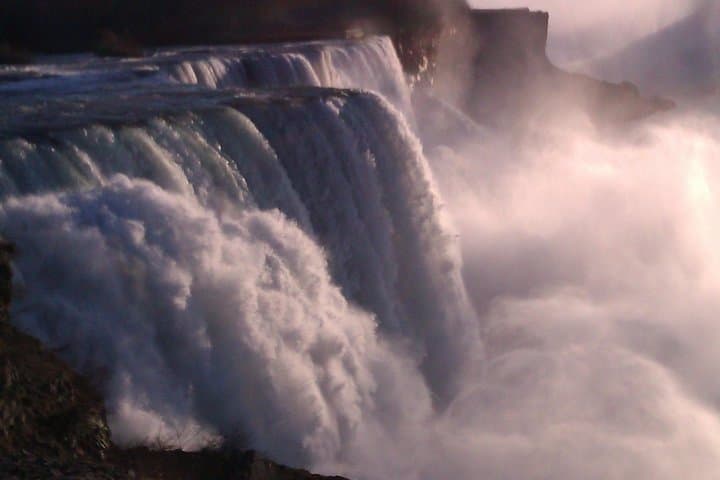
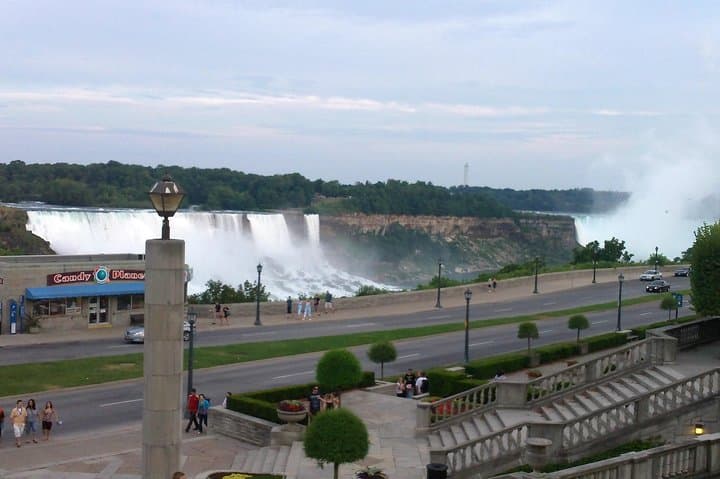
Fog from the falls clings to your jacket as the trolley eases into Prospect Point — a platform of stone and steel that puts you a breath away from the Horseshoe Falls’ roar. The guide points out the arc of churning water, the spray that dares you to step closer, and the routes your private vehicle can take to show off the river’s scale.
Fog from the falls clings to your jacket as the trolley eases into Prospect Point — a platform of stone and steel that puts you a breath away from the Horseshoe Falls’ roar. The guide points out the arc of churning water, the spray that dares you to step closer, and the routes your private vehicle can take to show off the river’s scale.
This is a practical introduction to Niagara’s geology and human story: the gorge carved by glacial meltwater at the end of the last Ice Age, the hydro projects that have reshaped flow, and the towns that grew on the river’s banks. Guides often thread in local culture — the industrial grit of old power stations, the parkland design of early conservationists, and the twin identities of Niagara Falls on the Canadian and U.S. sides.
Expect a flexible, step-on service that orients groups to viewpoints, short walks, and nearby attractions like Dufferin Islands or the Niagara Glen. Terrain is mostly paved promenades and short staircases; timing and routing change with season and client interest, from quick 60‑minute overviews to half-day explorations.
Practical guidance: arrive with rain protection and good shoes for slippery surfaces, time visits for early morning or late afternoon to avoid peak crowds, and allow extra time for border or parking delays if you plan to cross the river. Guides will handle logistics and local insights — you provide comfortable transport and curiosity.