THE ADVENTURE COLLECTIVE® · Independent discovery and booking for outdoor travel

Experience Niagara Falls in winter on a small-group guided tour that includes Cave of the Winds, Prospect Point, Three Sisters Island, lunch at DiCamillo Bakery and the interactive Power Vista museum. Expect icy viewpoints, roaring water and focused storytelling on geology and hydroelectric history.
Experience Niagara Falls in winter on a small-group guided tour that includes Cave of the Winds, Prospect Point, Three Sisters Island, lunch at DiCamillo Bakery and the interactive Power Vista museum. Expect icy viewpoints, roaring water and focused storytelling on geology and hydroelectric history.
The air bites and the mist rises like living glass as you approach the American side of Niagara Falls in winter. Wind pushes steam and spray across observation decks; ice ribs the railings and the roar of Horseshoe, American and Bridal Veil Falls fills the bones. On a small-group tour you move deliberately between viewpoints — Cave of the Winds’ wooden platforms, the Three Sisters’ frozen rapids, Prospect Point’s observation deck — each stop reframing the falls as a raw, mechanical force carved from the Niagara Escarpment 12,000 years ago.
Verified experiences and guided adventures in the surrounding area.
Operated by Niagara Regional Tours · Niagara Falls, New York
The air bites and the mist rises like living glass as you approach the American side of Niagara Falls in winter. Wind pushes steam and spray across observation decks; ice ribs the railings and the roar of Horseshoe, American and Bridal Veil Falls fills the bones. On a small-group tour you move deliberately between viewpoints — Cave of the Winds’ wooden platforms, the Three Sisters’ frozen rapids, Prospect Point’s observation deck — each stop reframing the falls as a raw, mechanical force carved from the Niagara Escarpment 12,000 years ago.
History and industry sit beside the spectacle. The Power Vista explains how Niagara’s flow powered the region’s early electric boom; the escarpment and gorge tell the geological story of glacial retreat. Local flavors arrive at DiCamillo Bakery, a 105-year-old stop for a hot sandwich and pastry that contrasts with the cold outside.
Practical guidance: allow 3–4 hours for the deluxe route, dress in layered waterproof clothing and insulated boots, and prepare for icy paths and wind-driven spray. The tour is limited to seven people per van, which means more time at viewpoints and quicker moves between sites. Cameras with weather protection and simple ice traction will make photos and footing easier. If you have heart or mobility concerns, consult the operator — many overlooks are accessible, but Cave of the Winds includes stairs and exposed walkways. Expect a brisk, sensory trip where geology, history and hydropower meet frontal views of one of North America’s most powerful waterfalls.
moderate.
3–4 hours.
Moderate fitness required — short walks, stairs, and standing at viewpoints; not strenuous but needs steady balance on ice.
Yes — infants can ride in strollers and must sit on an adult’s lap for safety; some viewpoints have stairs so plan accordingly.
Yes — the tour includes all parking and attraction admission fees for the listed stops.
The tour runs in winter conditions; some stops like the Whirlpool may be weather-dependent, but the operator will prioritize safety and adjust the itinerary if needed.
Many overlooks at Niagara Falls State Park are accessible, but Cave of the Winds involves stairs and exposed platforms; contact the operator with specific accessibility needs.
The falls sit on the Niagara Escarpment formed during glacial retreat about 12,000 years ago; the river and gorge later powered early 20th-century hydroelectric development.
Stay on marked trails and observation decks to protect fragile ice formations and avoid shore erosion; local parks manage visitor flow to reduce habitat impact.
Niagara Regional Tours operates guided outdoor trips and adventures with an emphasis on safety, stewardship, and memorable experiences.
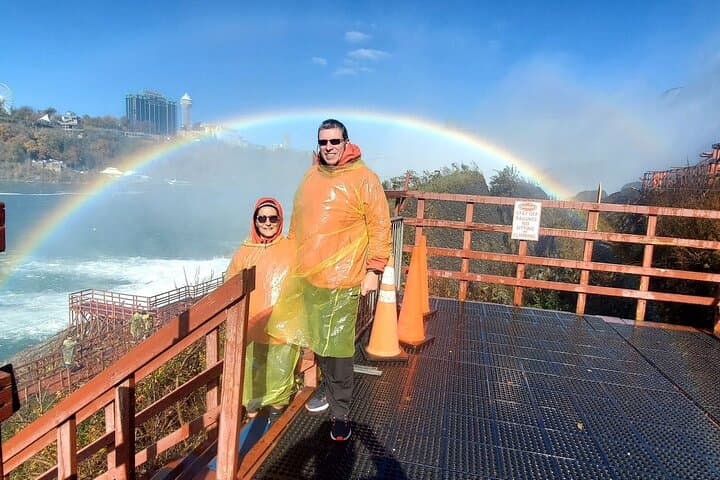
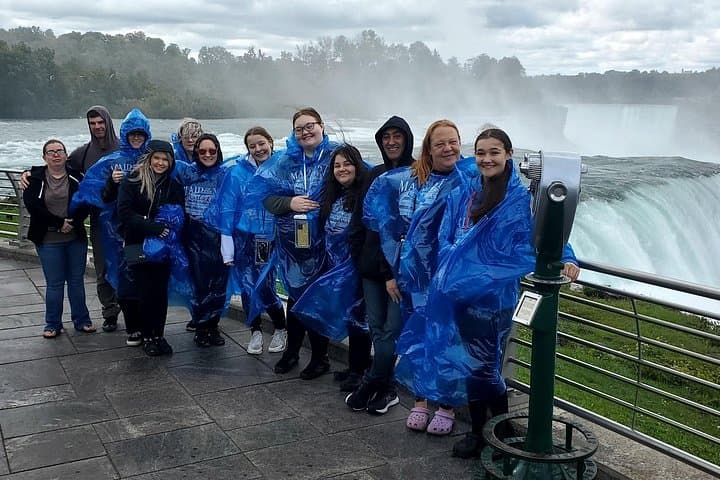
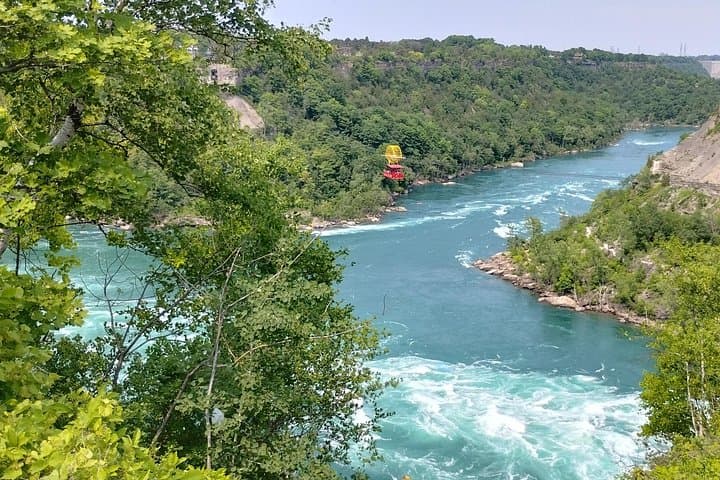
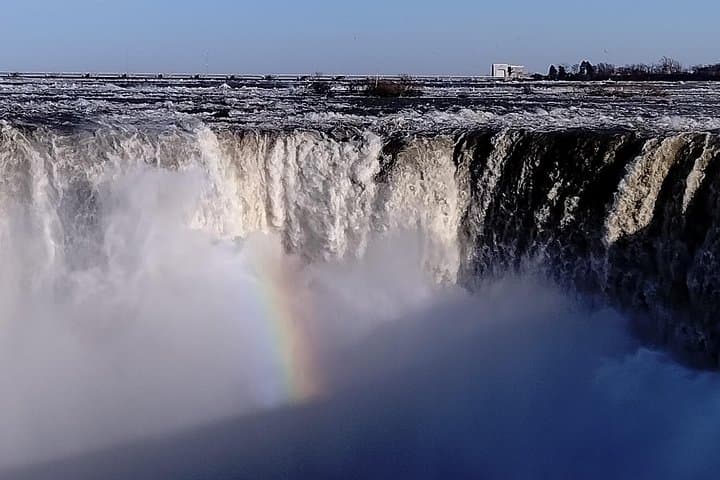
The air bites and the mist rises like living glass as you approach the American side of Niagara Falls in winter. Wind pushes steam and spray across observation decks; ice ribs the railings and the roar of Horseshoe, American and Bridal Veil Falls fills the bones. On a small-group tour you move deliberately between viewpoints — Cave of the Winds’ wooden platforms, the Three Sisters’ frozen rapids, Prospect Point’s observation deck — each stop reframing the falls as a raw, mechanical force carved from the Niagara Escarpment 12,000 years ago.
The air bites and the mist rises like living glass as you approach the American side of Niagara Falls in winter. Wind pushes steam and spray across observation decks; ice ribs the railings and the roar of Horseshoe, American and Bridal Veil Falls fills the bones. On a small-group tour you move deliberately between viewpoints — Cave of the Winds’ wooden platforms, the Three Sisters’ frozen rapids, Prospect Point’s observation deck — each stop reframing the falls as a raw, mechanical force carved from the Niagara Escarpment 12,000 years ago.
History and industry sit beside the spectacle. The Power Vista explains how Niagara’s flow powered the region’s early electric boom; the escarpment and gorge tell the geological story of glacial retreat. Local flavors arrive at DiCamillo Bakery, a 105-year-old stop for a hot sandwich and pastry that contrasts with the cold outside.
Practical guidance: allow 3–4 hours for the deluxe route, dress in layered waterproof clothing and insulated boots, and prepare for icy paths and wind-driven spray. The tour is limited to seven people per van, which means more time at viewpoints and quicker moves between sites. Cameras with weather protection and simple ice traction will make photos and footing easier. If you have heart or mobility concerns, consult the operator — many overlooks are accessible, but Cave of the Winds includes stairs and exposed walkways. Expect a brisk, sensory trip where geology, history and hydropower meet frontal views of one of North America’s most powerful waterfalls.